
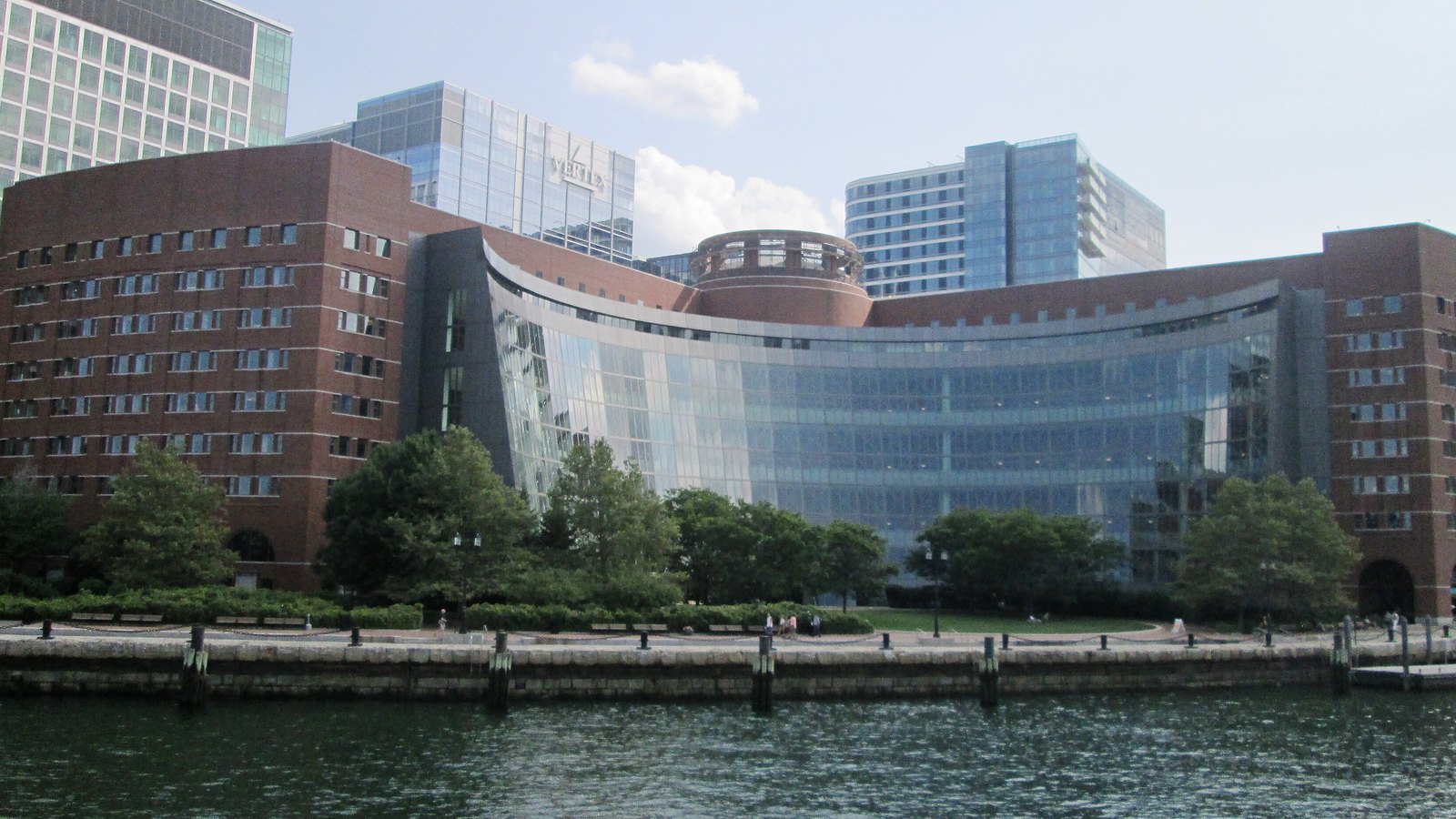
A federal judge in Massachusetts ruled on 17 November 2026 that the Department of Homeland Security may not enforce two Student and Exchange Visitor Program broadcast messages that limited curricular practical training for F-1 international students to training required of every student in a degree programme.
What happened
U.S. District Judge Julia E. Kobick of the District of Massachusetts granted a motion for a stay of agency action and a preliminary injunction in Association of American Universities v. U.S. Department of Homeland Security, No. 1:26-cv-14520, according to the memorandum and order filed on 17 November. The order stays the two SEVP broadcast messages of 12 August and 24 August 2026 “such that those broadcasts may not be enforced or applied pending judicial review.”
The judge also enjoined the defendants from carrying out the interpretation of the curricular practical training (CPT) regulation, 8 C.F.R. § 214.2(f)(10)(i), that the broadcasts set out. That injunction covers the plaintiff organisations and each of their members, including members’ employees and students, both going forward and for approvals and conduct that predate the broadcasts. The plaintiffs are the Association of American Universities (AAU), NAFSA: Association of International Educators, the Presidents’ Alliance on Higher Education and Immigration, and the Association of Independent Colleges and Universities in Massachusetts, according to NAFSA’s litigation page.
Higher Ed Dive reported on 18 November that the Trump administration may not enforce the two memos under the order, and that the judge found the higher education groups likely to succeed on the merits. The ruling is preliminary: it holds while the case proceeds and is not a final judgment.
Key details
The timeline below follows the court order and the plaintiffs’ account.
| Date | Event | Source |
|---|---|---|
| 1991 | The federal government begins treating any training for which students earn academic credit as CPT, whether the training is mandatory or optional for the degree | Court order |
| 12 and 24 August 2026 | SEVP issues two broadcast messages restricting CPT to training required of all students in the programme | Court order |
| 5 October 2026 | AAU, NAFSA, the Presidents’ Alliance and AICUM file the complaint and a motion for a preliminary injunction | NAFSA, Fragomen |
| 6 November 2026 | The court hears argument on the motion | Day1CPT.org |
| 17 November 2026 | The court grants the stay and the preliminary injunction | Court order |
The judge wrote that, in practice, the broadcasts meant a law school could not authorise CPT for an F-1 law student to extern for a federal judge for academic credit unless the externship was required of every student seeking a juris doctor degree. The order says the broadcasts also threatened civil and criminal liability for failure to comply.
The court held that the broadcasts are final agency action subject to review under the Administrative Procedure Act, that the plaintiffs have associational standing, and that they are likely to succeed on their claim that the broadcasts are arbitrary and capricious because SEVP departed from its longstanding position without acknowledging the change. The order declined two requests from the plaintiffs: that the government rescind adverse action already taken in reliance on the broadcasts, and that it give written notice of the order to all SEVP-certified institutions. The judge said the plaintiffs identified no adverse action that could be rescinded, and that the notice request was not tied to the plaintiffs in the case.
Background and context
CPT is a form of F-1 work authorisation that the regulation defines as alternative work/study, internship, cooperative education or any other type of required internship or practicum that is an integral part of an established curriculum. Designated school officials (DSOs) at SEVP-certified institutions authorise it. According to the court, the federal government has construed that definition since 1991 to include credit-bearing training that was optional for the degree.
After the August broadcasts, many institutions acted. The order records that Columbia University denied CPT authorisation to more than 120 international students for the fall and revised its career guidance sessions, that Washington University in St. Louis had to reevaluate existing curricula, and that at Cornell University many programmes began considering making practical training experiences mandatory for all students. Other institutions rescinded previously authorised fall-term internships; at Grinnell College at least thirteen students lost internship opportunities. The court also noted that Cornell and Michigan State University have already lost students because of the broadcasts, and that DSOs reported stress and reluctance to sign SEVP documents out of fear of personal liability.
The complaint, which AAU has posted, argues that the broadcasts violate the Administrative Procedure Act because they are arbitrary and capricious, impermissibly retroactive, contrary to law and procedurally invalid. Before the ruling, Day1CPT.org reported that the August guidance had not been stayed or set aside, and that students had to keep following their university’s current CPT policy. The dispute sits alongside other recent litigation over international student and researcher status, including casrai’s report on a court ruling against the fixed-term admission rule for students and researchers.
Reaction
When the suit was filed, NAFSA Executive Director and CEO Fanta Aw said, in a statement quoted on NAFSA’s page: “Changing how CPT is administered through broadcast messages, without formal rulemaking, is an aberration that must be challenged.” She added that the changes put DSOs, the professionals who advise international students and ensure institutional compliance, in an untenable position.
The government argued in court that the broadcasts did not change “the legal regime” and were reminders of regulatory requirements, according to Higher Ed Dive. The judge disagreed, writing that they “represent a marked departure” from the agency’s prior interpretation. In the order, the judge also described as misguided the government’s assertion that a stay would redress no injury because the regulation is clear.
Fragomen, the immigration law firm, summarised the result in a client alert dated 17 November: while the injunction and stay are in place, ICE is prohibited from applying the new CPT interpretations set out in the broadcast messages.
What it means for researchers, universities and research offices
For international offices and DSOs, the stay means the August broadcasts cannot be enforced or applied while the case continues, and the court’s injunction protects the plaintiff organisations’ members and their students. Institutions that are members of AAU, NAFSA, the Presidents’ Alliance or AICUM, or that need to know whether the order reaches them, should confirm their status with their international office and counsel before changing any CPT decision. Offices that rescinded or declined elective, credit-bearing CPT this fall can review those decisions against the order.
For research offices and graduate schools, the practical effect is on training that involves industry or laboratory partners: internships, co-ops and practica that count for credit but are not required of every student. During the dispute some programmes considered making such experiences mandatory degree requirements, and the court’s order records that effort. Graduate programmes that changed curricula in response may want to revisit those changes with their international office, since the order restores the longstanding reading only for the period the stay lasts. The ruling does not decide the merits.
For international students and postdoctoral trainees planning credit-bearing placements, DSOs remain the authorising officials. Students should ask their DSO how the institution is applying the order. Readers can find the mechanics of student status in casrai’s guides to SEVIS and to OPT and STEM OPT for international graduate researchers, and background on enforcement exposure in the guide to ICE campus enforcement and international research staff.
What happens next
The order is a preliminary injunction and a stay under 5 U.S.C. § 705, so the lawsuit continues on its merits. Neither broadcast contained an effective date, so the court did not postpone one: it stayed enforcement and application of the broadcasts to preserve status and rights pending the conclusion of review. The order requires no bond.
NAFSA’s page says its members were invited to a town hall on Thursday 18 November at 2 pm for more detail, and the page lists the litigation as ongoing. Institutions should watch the docket and the plaintiffs’ updates for any appeal or modification of the order.
Sources
- U.S. District Court, District of Massachusetts: Memorandum and Order on Plaintiffs’ Motion for a Preliminary Injunction and Stay of Agency Action, No. 1:26-cv-14520-JEK, 17 November 2026 (hosted by NAFSA), checked 2026-11-19
- NAFSA: Legal Challenge to the Broadcast Messages Regarding Curricular Practical Training (CPT), updated 17 November 2026, checked 2026-11-19
- Higher Ed Dive: Court blocks DHS policy limiting international student training opportunities, 18 November 2026, checked 2026-11-19
- Fragomen: United States: Court Order Enjoins ICE CPT Policies Announced via Broadcast Messages, 17 November 2026, checked 2026-11-19
- Day1CPT.org: Judge Weighs Bid to Block 2026 CPT Restrictions for F-1 Students, 11 November 2026, checked 2026-11-19
- AAU: Complaint, Association of American Universities v. U.S. Department of Homeland Security, checked 2026-11-19


