
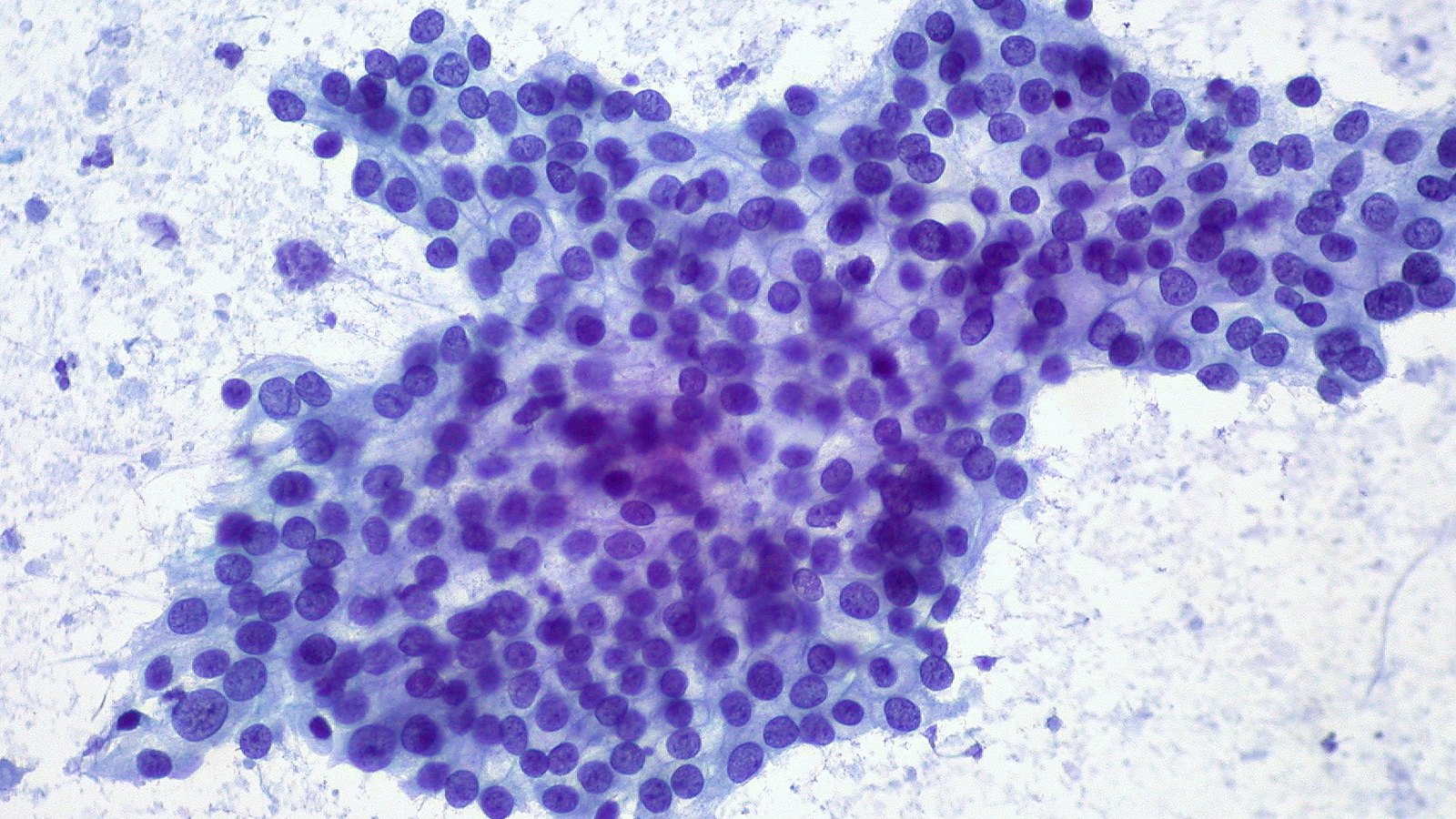
On November 18, 2026, clinical researchers and trial investigators announced definitive Phase 3 findings showing that the oral multi-selective RAS(ON) inhibitor daraxonrasib nearly doubled overall survival in patients with previously treated metastatic pancreatic ductal adenocarcinoma compared to standard chemotherapy, establishing a landmark therapeutic benchmark for translational oncology programs, academic cancer centers, and clinical research offices worldwide.
What happened
In mid-November 2026, biopharmaceutical developer Revolution Medicines and academic investigators reported pivotal findings from the global Phase 3 trial RASolute 302 (ClinicalTrials.gov identifier NCT06625320). The randomized, open-label study evaluated oral daraxonrasib (formerly RMC-6236) as monotherapy at 300 mg once daily against investigator choice of standard cytotoxic chemotherapy in adult patients with metastatic pancreatic ductal adenocarcinoma (mPDAC) whose cancer progressed after one prior systemic regimen.
Conducted across international academic medical centers, including lead investigators at Dana-Farber Cancer Institute, the trial achieved its primary and secondary endpoints with high statistical significance. In the intent-to-treat population, patients receiving daraxonrasib achieved a median overall survival (OS) of 13.2 months compared to 6.7 months for patients on standard chemotherapy, representing a 60% reduction in the risk of death (hazard ratio [HR] = 0.40; 95% confidence interval [CI], 0.32 to 0.51; p < 0.0001).
Median progression-free survival (PFS) was similarly doubled, reaching 7.2 months in the daraxonrasib arm versus 3.6 months in the chemotherapy control arm (HR = 0.49; p < 0.0001). Confirmed objective response rates (ORR) reached 30% to 32% with daraxonrasib versus 10% to 11% with cytotoxic regimens. Daraxonrasib also significantly delayed confirmed deterioration in global quality of life, physical functioning, and cancer-related pain scores.
The safety assessment confirmed a manageable profile characterized predominantly by Grade 1 and 2 toxicities, including rash, stomatitis, and diarrhea. Rates of Grade 3 or higher treatment-related adverse events and drug discontinuations were lower with daraxonrasib than with cytotoxic chemotherapy.
Key details
The RASolute 302 trial enrolled adult patients across specialized cancer centers globally. Eligible participants presented with histologically or cytologically confirmed metastatic pancreatic ductal adenocarcinoma, documented progression after exactly one prior systemic line, and an ECOG performance status of 0 or 1. Stratification factors included baseline tumor RAS mutation status (KRAS G12 variants, non-G12 variants, or wild-type RAS), prior first-line chemotherapy, and geographic region.
Control arm patients received investigator-selected standard regimens, encompassing gemcitabine plus nab-paclitaxel, modified FOLFOX6, or liposomal irinotecan combinations. Efficacy endpoints followed prespecified plans designed under ICH E9 statistical principles for clinical trials, utilizing central independent radiological review alongside investigator assessments under RECIST version 1.1.
| Trial Parameter | Daraxonrasib Arm (Monotherapy) | Investigator Choice Chemotherapy Arm |
|---|---|---|
| Study Intervention | Oral daraxonrasib (300 mg once daily) | Standard chemotherapy (gemcitabine/nab-paclitaxel or 5-FU based) |
| Clinical Trial Phase & Design | Global Phase 3 randomized, open-label (NCT06625320) | Global Phase 3 randomized, open-label (NCT06625320) |
| Target Patient Population | Previously treated metastatic pancreatic ductal adenocarcinoma | Previously treated metastatic pancreatic ductal adenocarcinoma |
| Primary Efficacy Endpoint (OS) | Median OS: 13.2 months (HR = 0.40; p < 0.0001) | Median OS: 6.7 months (control benchmark) |
| Relative Death Risk Reduction | 60% reduction in risk of death | Control benchmark |
| Median Progression-Free Survival (PFS) | 7.2 months (HR = 0.49; p < 0.0001) | 3.6 months |
| Confirmed Objective Response Rate (ORR) | 30% to 32% confirmed response | 10% to 11% confirmed response |
| Most Common Toxicities | Low-grade rash, stomatitis, diarrhea (manageable) | Cytopenias, fatigue, nausea, peripheral neuropathy |
| Treatment Discontinuation Due to Adverse Events | Reduced relative to chemotherapy arm | Higher discontinuation rate |
Background and context
Pancreatic ductal adenocarcinoma accounts for over 90% of pancreatic malignancies and remains one of the deadliest solid tumors, with a five-year survival rate near 12%. Because early-stage pancreatic tumors rarely produce localized symptoms, more than 80% of patients present with locally advanced or distant metastatic disease at diagnosis, precluding curative surgery.
For four decades, cancer biologists recognized that oncogenic KRAS mutations drive tumor maintenance in over 90% of pancreatic adenocarcinomas, predominantly at codon 12 (including G12D, G12V, and G12R). Despite this dependency, RAS was long considered functionally undruggable due to picomolar affinity for cellular GTP and an absence of deep hydrophobic surface pockets for small-molecule binding. Early allele-specific inhibitors like sotorasib target only KRAS G12C, which occurs in just 1% to 2% of pancreatic tumors.
Daraxonrasib overcomes this limitation as a multi-selective RAS(ON) inhibitor utilizing a molecular glue mechanism. The small molecule engages the abundant cellular chaperone cyclophilin A (CypA), assembling a composite interface that binds with high affinity to the active GTP-bound conformation of both mutant and wild-type RAS proteins. By sterically obstructing RAS effector-binding switch regions, daraxonrasib halts downstream RAF and PI3K recruitment, shutting down hyperactive MAPK and AKT signaling cascades across diverse RAS variants.
Reaction
Oncologists, translational researchers, and cancer organizations recognized the RASolute 302 data as a pivotal development in gastrointestinal oncology. Brian M. Wolpin, MD, MPH, director of the Hale Family Center for Pancreatic Cancer Research at Dana-Farber Cancer Institute and trial study chair, noted that nearly doubling overall survival in second-line metastatic pancreatic cancer is unprecedented, representing a major therapeutic shift for a disease where second-line options historically provided marginal benefit.
Mark A. Goldsmith, MD, PhD, Chief Executive Officer and Chairman of Revolution Medicines, stated that the findings validate targeting the active GTP-bound conformation of RAS with a multi-selective inhibitor, overcoming decades of unsuccessful efforts to drug the pathway directly.
Independent oncology commentators noted that achieving a hazard ratio of 0.40 alongside delayed functional deterioration establishes a new clinical standard. Clinicians emphasized that the oral administration route and manageable low-grade adverse effect profile offer tangible quality-of-life benefits over cytotoxic infusions.
What it means for researchers, universities and research offices
The RASolute 302 readout yields concrete operational and scientific implications for academic medical centers, university cancer centers, and research administration offices. First, academic pathology departments and trial centers must embed comprehensive genomic profiling into clinical intake workflows. Diagnostic laboratories need validated sequencing assays to document KRAS, NRAS, and HRAS variants alongside wild-type status to qualify prospective trial participants.
Second, university biostatisticians and oncology investigators designing clinical protocols can model design parameters on RASolute 302. Utilizing established randomization methods in clinical trials, central blinded radiological reviews, and stratified survival frameworks will remain essential when comparing emerging targeted agents against standard regimens.
Third, university technology transfer and clinical trial offices must uphold regulatory compliance. Academic research sites participating in multi-center consortia must maintain strict alignment with clinical trial transparency mandates, ensuring timely registration and results reporting on ClinicalTrials.gov and systematic adverse event documentation through institutional review boards.
Finally, investigational drug pharmacies must develop handling protocols for oral molecular glue agents. Research coordinators and clinical pharmacists require training on protocol-defined supportive care for dermatologic toxicities and screening for CYP3A-mediated drug-drug interactions.
What happens next
Following the presentation of Phase 3 results, regulatory agencies, including the U.S. Food and Drug Administration (FDA) and the European Medicines Agency (EMA), have advanced formal regulatory reviews of daraxonrasib for previously treated metastatic pancreatic ductal adenocarcinoma, supported by expedited mechanisms such as FDA Fast Track designation.
Translational teams are advancing daraxonrasib into earlier disease settings. The global Phase 3 RASolute 303 trial is evaluating daraxonrasib combined with standard chemotherapy versus chemotherapy alone in first-line metastatic disease. In parallel, academic consortia are initiating Phase 2 trials in the neoadjuvant and adjuvant perioperative settings to determine whether early RAS blockade can reduce post-surgical recurrence in resectable tumors.
Investigators will continue monitoring the RASolute 302 cohort to evaluate 24-month and 36-month survival rates, analyze acquired resistance mechanisms via circulating tumor DNA, and report correlative biomarker outcomes across participating sites through 2027.
Sources
- ClinicalTrials.gov: A Study of Daraxonrasib (RMC-6236) Versus Investigator’s Choice of Standard of Care Therapy in Patients With Previously Treated Metastatic Pancreatic Ductal Adenocarcinoma (RASolute 302), checked 2026-11-20
- Dana-Farber Cancer Institute: FDA Approves Daraxonrasib for Metastatic Pancreatic Cancer Following Landmark Clinical Trial Led by Dana-Farber, checked 2026-11-20
- Targeted Oncology: Daraxonrasib Shows Significant OS Benefit in Metastatic Pancreatic Cancer, checked 2026-11-20
- OncLive: Daraxonrasib Improves OS Across Subgroups in Previously Treated mPDAC, checked 2026-11-20
- The ASCO Post: Daraxonrasib Nearly Doubles Survival in Previously Treated Metastatic Pancreatic Cancer, checked 2026-11-20
- CancerNetwork: How Significant Is the Approval of Daraxonrasib in Pancreatic Cancer?, checked 2026-11-20


