
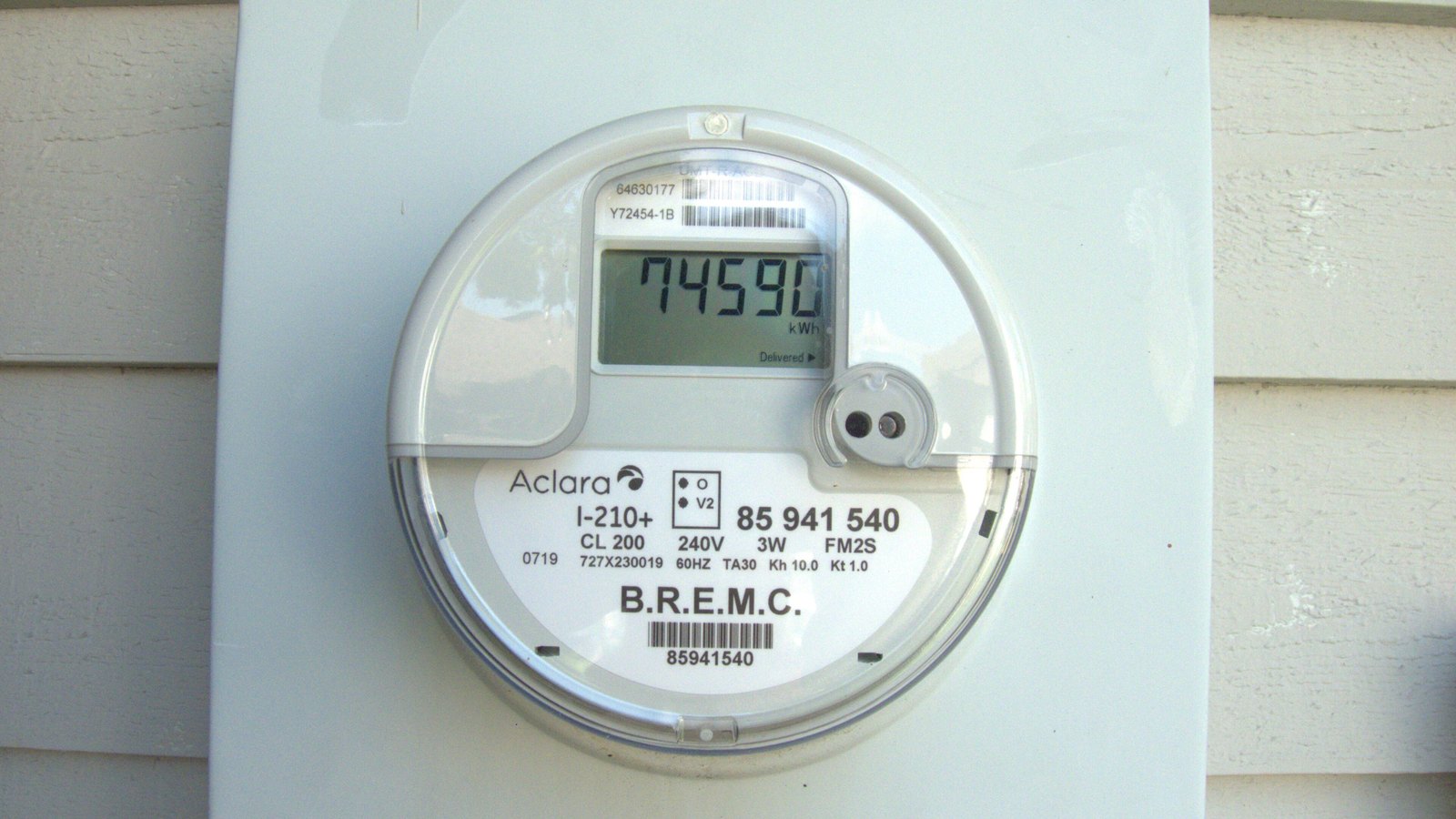
On 26 November 2026, the UK Department for Energy Security and Net Zero released its third-quarter 2026 smart metering statistics, revealing that 42.0 million smart and advanced meters were operating across Great Britain at the end of September 2026. Representing 73 percent of all energy meters, the milestone provides critical baseline infrastructure metrics for academic researchers modelling national grid decarbonisation and university estate directors managing institutional carbon compliance.
Deployment Figures and Q3 2026 Operational Milestone
The statistical bulletin published by the Department for Energy Security and Net Zero (DESNZ), titled Smart meters in Great Britain, quarterly update September 2026, confirms that the nationwide smart meter rollout reached 42.0 million operational units across domestic properties and smaller non-domestic premises at the close of September 2026. This represents an increase from 41.6 million operating meters recorded at the end of June 2026, establishing a national coverage rate of 73 percent across the 57,405,000 overall energy metering points recorded throughout Great Britain.
Of the 40.7 million smart meters actively operating across England, Scotland, and Wales, 93 percent—totalling 37,753,000 units—were operating in smart mode, communicating real-time consumption telemetry directly to licensed energy suppliers. The remaining 2,996,000 smart meters operated in traditional mode, functioning as standard accumulation meters due to localised signal attenuation, commissioning faults, or delayed communications enrollment.
During the third quarter of 2026, large energy suppliers installed 1,113,000 smart and advanced meters across domestic and smaller non-domestic sites. Meter replacements outpaced first-time installations, with suppliers carrying out 595,000 replacements compared to 519,000 new installations. Replacements accounted for 54 percent of domestic installations during the quarter, reflecting an operational phase transition where maintaining continuity of smart services, replacing end-of-life hardware, and updating communications modems now match new point deployments.
Key Details and Metering Fleet Breakdown
The official statistics document metering assets operated by large energy suppliers as of 30 September 2026 alongside annual reporting from small energy suppliers up to 31 December 2025. Across the British retail energy market, large suppliers operate 55,952,000 meters—over 99 percent of domestic points and two-thirds of non-domestic sites—while small suppliers manage 1,453,000 meters.
| Meter Classification | Large Suppliers (September 2026) | Small Suppliers (December 2025) | Total Operating Fleet |
|---|---|---|---|
| Smart meters in smart mode | 37,300,000 | 453,000 | 37,753,000 |
| Smart meters in traditional mode | 2,945,000 | 52,000 | 2,996,000 |
| Advanced meters (AMR) | 700,000 | 520,000 | 1,220,000 |
| Non-smart meters (traditional) | 15,008,000 | 428,000 | 15,435,000 |
| All metering points | 55,952,000 | 1,453,000 | 57,405,000 |
In domestic properties, smart electricity coverage reached 76 percent (72 percent in smart mode and 3.6 percent in traditional mode), with the remaining 24 percent using non-smart meters. Smart gas coverage stood at 57 percent (51 percent in smart mode, 6.1 percent in traditional mode), with 24 percent non-smart gas and 18 percent of homes without a mains gas connection.
In the smaller non-domestic sector, large energy suppliers installed 29,000 meters during Q3 2026, an increase of 3.3 percent over Q2 2026. The operating non-domestic fleet reached 1.3 million smart and advanced units (700,000 advanced meters and 600,000 smart meters), representing 66 percent smart coverage across commercial points.
DESNZ also issued an updated Smart meters statistics: methodology note governing quality assurance routines and supplier reporting pipelines. The release maintains open tidy long-form data tables first introduced in Q2 2026, enabling researchers to process structured national infrastructure metrics as reusable research data.
Policy Framework and Infrastructure Background
The Great Britain smart meter deployment functions under statutory powers established by the Energy Act 2008, which authorized ministerial licence modifications obligating energy suppliers to roll out compliant metering systems. The program is overseen by DESNZ on policy targets, regulated by Ofgem through supplier supply licences, and delivered across a secure wireless platform run by the Data and Communications Company (DCC).
National deployment metrics feed directly into the Environmental accounts published by the Office for National Statistics (ONS), tracking how domestic energy consumption, flexible demand tariffs, and renewable grid integration impact aggregate greenhouse gas emissions. Managing these empirical public assets with open validation standards reinforces institutional commitments outlined in the Concordat on Open Research Data.
Stakeholder Perspectives and Delivery Challenges
DESNZ emphasized that smart meters provide the technical foundation for a cleaner, cheaper, and more flexible energy system, eliminating estimated billing and facilitating time-of-use tariffs. However, the release highlights ongoing operational friction: 2,996,000 smart meters remain in traditional mode, unable to transmit automatic readings due to local cellular attenuation, technical commissioning faults, or enrollment delays.
Furthermore, because replacements constituted 54 percent of domestic installation activity in Q3 2026, suppliers must allocate substantial engineering capacity toward swapping early-generation SMETS1 meters and updating communications hardware ahead of legacy telecommunications sunsets. This lifecycle maintenance slows the net addition of newly connected households among the remaining 27 percent non-smart market.
Implications for University Estates, Procurement, and Research Teams
The statistical update carries direct operational and research implications across higher education institutions:
- Estate Metering Portfolios: University estates encompass mixed domestic student residences and non-domestic research facilities. Energy managers must ensure non-domestic points utilize advanced automated meter reading (AMR) or SMETS2 systems to prevent estimated billing discrepancies.
- Carbon Compliance: Accurate half-hourly metering data underpins institutional Streamlined Energy and Carbon Reporting (SECR) and Net Zero audits. Estate teams managing cross-campus reporting frequently benchmark monitoring tools against regulatory compliance software to automate compliance documentation.
- Energy Systems Grants: Academic groups modelling demand flexibility, microgrids, and local storage can leverage the open long-form statistical datasets. Research offices supporting energy investigators routinely evaluate research grant funding statistics to benchmark competitive UKRI funding proposals.
- Telemetry Data Stewardship: High-frequency campus sensor feeds and microgrid research trials require structured governance protocols. Research administrators regularly compare data management plan software to establish compliant data retention and open sharing workflows.
What Happens Next: Publication Schedules and Transition Deadlines
DESNZ confirmed that the next quarterly statistical release, covering data to end December 2026, will be published on 18 March 2027. The March publication will incorporate the full-year 2026 annual update from small energy suppliers.
In parallel, Ofgem continues to monitor supplier compliance against regulatory installation benchmarks, with heightened focus on reducing the 3.0 million meters currently operating in traditional mode and ensuring robust DCC network enrollment as 2G and 3G telecommunications networks are progressively retired.
Sources
- Department for Energy Security and Net Zero: Smart meters in Great Britain, quarterly update September 2026, checked 2026-11-27
- Department for Energy Security and Net Zero: Smart meters statistics: methodology note, checked 2026-11-27
- UK Parliament: Energy Act 2008, checked 2026-11-27
- Office for National Statistics: Environmental accounts, checked 2026-11-27






