
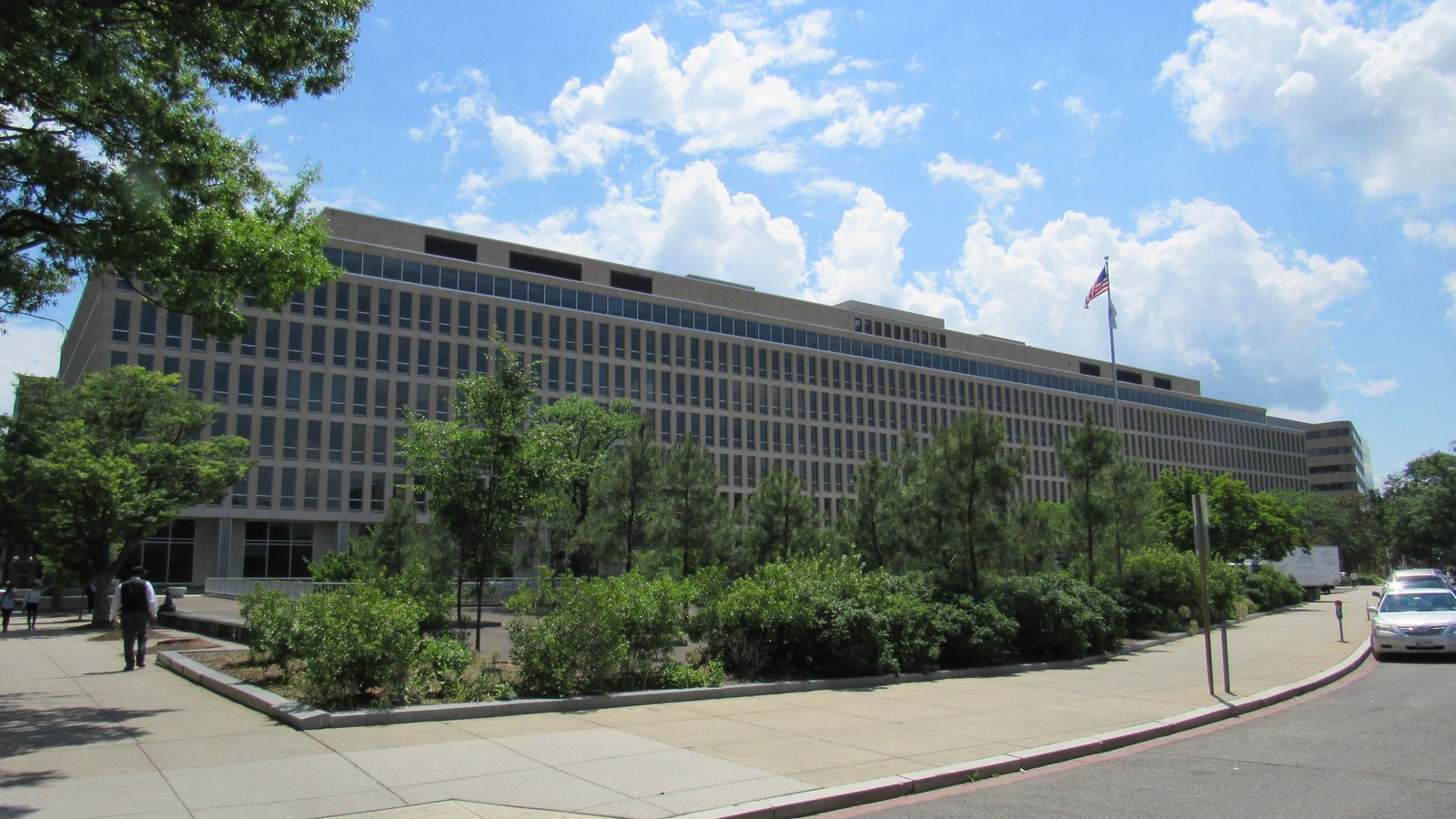
On November 25, 2026, the U.S. Department of Education filed Federal Register Document 2026-24093 in Washington, D.C., initiating a formal 30-day public comment period on accrediting agency recognition reviews that govern institutional eligibility for federal student aid and academic research operations. The regulatory call for third-party comment addresses evaluations conducted under 34 CFR Part 602 Subpart C, representing an agency-specific oversight proceeding before the National Advisory Committee on Institutional Quality and Integrity (NACIQI) that operates independently from the administration’s broader rulemaking proposals previously outlined in the department’s accreditation standards NPRM.
Accreditation Group Opens Formal Docket on Agency Petitions
Under the notice published by the Office of Postsecondary Education, the Department of Education is soliciting written evaluations from institutional leaders, faculty, students, and professional associations regarding two specialized accrediting bodies scheduled for review at the third meeting of NACIQI in 2027. The formal notice, officially filed as Federal Register Document 2026-24093, fulfills statutory obligations established under Section 496(n)(1)(A) of the Higher Education Act of 1965 (20 U.S.C. 1099b).
The review cycle covers two distinct regulatory categories: an application for initial federal recognition and a compliance report required following a prior recognition decision. The Accreditation Council for Nutrition Professional Education (ACNPE) has applied for initial recognition to accredit master of science degree programs in clinical nutrition and allied curricula across the United States. Concurrently, the Council on Academic Accreditation in Audiology and Speech-Language Pathology (CAA), operating under the American Speech-Language-Hearing Association, has submitted a compliance report regarding its scope over master’s and doctoral professional degrees, including distance education offerings.
Assistant Secretary for Postsecondary Education David Barker confirmed that public input received during this comment window will be integrated into the analytical dossiers prepared by federal staff. Those technical evaluations determine whether the agencies satisfy federal criteria concerning administrative capacity, academic rigor, fiscal stability, and student achievement metrics.
Key Review Parameters, Agency Scopes, and Submission Criteria
Federal recognition by the Secretary of Education serves as the legal mechanism linking programmatic and institutional quality assessment to federal benefits. Public comments submitted in response to the docket must address precise criteria tailored to each agency’s application status. Comments concerning initial recognition must evaluate compliance with federal standards in 34 CFR Part 602, while comments on compliance reports must focus on specific deficiencies identified in the senior department official’s prior review letter, maintained in the federal OPE E-Recognition database.
| Accrediting Agency | Review Category | Proposed Scope of Recognition | Governing Evaluation Standard |
|---|---|---|---|
| Accreditation Council for Nutrition Professional Education (ACNPE) | Initial Recognition | Master of Science degree programs in clinical nutrition and allied graduate titles across the United States | Full Secretary Criteria under 34 CFR Part 602 Subpart B |
| Council on Academic Accreditation in Audiology and Speech-Language Pathology (CAA) | Compliance Report | First professional/clinical degrees at master’s and doctoral levels in audiology and speech-language pathology, including distance education | Targeted compliance criteria cited in Senior Department Official determination letter |
Submissions must be directed to Elizabeth Daggett, Director of the Accreditation Group, through the dedicated departmental mailbox at [email protected]. Commenters must include their full legal name, professional title, organizational affiliation, and contact details, formatted as PDF or Microsoft Word documents. Materials submitted after the 30-day post-publication deadline will not be incorporated into the official staff dossier forwarded to committee members.
Statutory Framework and Federal Oversight Dynamics
The federal accreditation recognition system constitutes one pillar of the higher education regulatory triad, operating alongside state authorization agencies and the Department of Education’s institutional eligibility divisions. While institutional accreditors validate entire colleges and universities, programmatic accreditors evaluate specific disciplines to safeguard academic quality, clinical competence, and professional licensure pathways.
The advisory committee NACIQI meets semi-annually to review agency petitions, hear oral testimony, and deliver recommendations to the senior department official. The Council for Higher Education Accreditation, an independent national quality organization, highlights in its guidance on accreditation governance that federal recognition serves an explicit gatekeeping role distinct from voluntary peer accreditation, directly controlling access to Title IV student loans and campus-based grant programs.
Higher education associations have closely monitored federal accreditation proceedings amid heightened congressional and administrative scrutiny. In analytical reports tracking federal policy, the American Council on Education has underscored how programmatic accreditation reviews directly impact academic health centers, clinical training partnerships, and graduate student recruitment pipelines, where specialized credentials dictate state licensing board approvals.
Stakeholder Perspectives on Clinical and Programmatic Accreditation
Academic leaders in allied health and clinical nutrition have emphasized the necessity of federal recognition for emerging credentialing bodies. Initial recognition for clinical nutrition programs addresses expanding interdisciplinary demand in medical centers and community health initiatives, providing standardized benchmarks for advanced clinical practice. Institutional officials note that federal recognition establishes parity with established health disciplines, clarifying educational standards for degree-granting research universities.
In speech-language pathology and audiology, university department chairs and clinic directors view compliance reports as critical checkpoints for quality assurance. The rapid expansion of distance education in clinical degrees requires rigorous oversight of virtual clinical simulations, distributed externship placements, and faculty-to-student supervisory ratios. Professional education associations maintain that transparent public review cycles strengthen public trust and ensure that accredited programs produce practitioners capable of meeting complex clinical requirements.
What It Means for Researchers, Universities, and Research Offices
The initiation of public comment carries direct operational, financial, and governance implications for university administrations, academic health systems, and sponsored research offices:
- Title IV Student Financial Aid Eligibility: Federal recognition of accrediting bodies ensures that enrolled graduate students remain eligible for Direct Unsubsidized Loans and Grad PLUS loans. Institutions housing clinical nutrition, audiology, or speech-language pathology programs must verify that their accreditation status satisfies Title IV participation agreements without interruption.
- Federal Training Grants and Fellowships: Federal grant agencies, including the National Institutes of Health (NIH) and Health Resources and Services Administration (HRSA), require participating institutions and degree programs to hold recognized accreditation status for training grants, institutional National Research Service Awards (NRSA T32), and predoctoral fellowships (F31). Research administrators should review program accreditation records when submitting institutional training grant proposals.
- Regulatory and Research Compliance Alignment: Academic departments must integrate accreditation standards into their broader institutional compliance frameworks. Alignment with Uniform Guidance 2 CFR 200 rules regarding direct training costs, participant support stipends, and specialized facility charges depends on accredited programmatic operations.
- Internal Controls and Governance Audits: Sponsored programs offices and provost divisions must maintain robust institutional internal controls to track accreditor reporting deadlines, faculty certification standards, and clinical externship site agreements. Failure to respond to accreditor compliance directives can jeopardize departmental research infrastructure and cross-institutional training partnerships.
- Institutional Integrity Safeguards: Universities operating clinical programs should coordinate programmatic reviews with overarching research integrity and compliance programs, ensuring that student clinicians, faculty researchers, and laboratory trainees maintain compliant data documentation and ethical clinical protocols.
Next Steps and Regulatory Calendar
Following publication of Document 2026-24093, the formal 30-day written comment window will close on December 28, 2026. The Accreditation Group within the Office of Postsecondary Education will then compile, analyze, and synthesize all submitted materials into agency review packages.
The Department of Education will announce the specific dates, venue, and oral registration procedures for the third 2027 NACIQI public meeting in a subsequent Federal Register notice. Following the advisory committee’s public deliberations, NACIQI will submit formal recommendations to the senior department official, who will issue final administrative determinations regarding initial recognition and compliance report acceptance. Universities and accrediting bodies will then have standard regulatory windows to review determinations or petition for administrative review.
Sources
- Federal Register :: Public Inspection: Accrediting Agency Currently Undergoing Review for the Purpose of Recognition by the U.S. Secretary of Education, checked 2026-11-25
- E-Recognition, checked 2026-11-25
- eCFR :: 34 CFR Part 602 — The Secretary’s Recognition of Accrediting Agencies, checked 2026-11-25
- About Accreditation | Council for Higher Education Accreditation, checked 2026-11-25
- News Room, checked 2026-11-25





