
On November 25, 2026, the U.S. Nuclear Regulatory Commission initiated an environmental impact statement scoping process for General Matter, Inc.’s proposed Paducah uranium enrichment facility in McCracken County, Kentucky. Unlike the agency’s completed draft review for Orano’s Oak Ridge centrifuge plant, this earlier-stage action assesses laser separation and tails re-enrichment infrastructure critical to securing domestic fuel supplies for university research reactors and national laboratories.
Initiation of the Environmental Scoping Process
The Nuclear Regulatory Commission officially filed Federal Register Document 2026-24127 on November 25, 2026, announcing its intent to prepare an Environmental Impact Statement and solicit public scoping comments for the General Matter Paducah Enrichment Facility. Filed under Docket Number 70-7040 and Regulatory Identification NRC-2026-5446, the regulatory notice marks the formal opening of the National Environmental Policy Act review for the proposed nuclear fuel installation.
General Matter, Inc. submitted its formal license application and associated environmental report to the commission on September 27, 2026, registered under Agencywide Documents Access and Management System accession numbers ML26273A126 and ML26273A150. Following a month-long staff acceptance review, the NRC determined on October 29, 2026, that the filing contained sufficient technical and environmental data to begin a full safety and environmental evaluation. The scoping process allows federal agencies, state authorities, tribal governments, and academic researchers to define the analytical boundaries of the forthcoming environmental study.
Technical and Facility Parameters
The proposed facility will occupy approximately 107 acres of federally owned land leased from the U.S. Department of Energy Paducah Site in western McCracken County, situated approximately 10 miles west of Paducah. The site encompasses portions of the historical Paducah Gaseous Diffusion Plant reservation, zoned specifically for heavy industrial and nuclear fuel cycle activities. General Matter’s license application requests 40-year operating authority to possess and process source, special nuclear, and byproduct materials under the regulatory framework for commercial uranium enrichment facilities.
The technical deployment focuses on deploying advanced separation systems to process depleted uranium hexafluoride tails stored on site into commercial-grade low-enriched uranium and high-assay low-enriched uranium. Operational controls must comply with strict laboratory compliance and containment mandates governing UF6 handling, radiation protection, criticality monitoring, and chemical toxicology.
| Parameter | General Matter Paducah (GMPEF) | Orano Oak Ridge (Project IKE) | Urenco USA (LES Eunice) |
|---|---|---|---|
| NRC Docket | 70-7040 | 70-7038 | 70-3103 |
| Site Location | McCracken County, Kentucky | Roane County, Tennessee | Lea County, New Mexico |
| Primary Technology | Laser isotope separation / tails re-enrichment | Gas centrifuge cascades | Gas centrifuge cascades |
| Acreage / Footprint | 107 acres (DOE Paducah lease) | Approximately 150 acres | Approximately 1,200 acres |
| License Duration | 40 years requested | 40 years requested | 30 years (extended to 2040) |
| Target Product Assay | LEU (up to 5% U-235) and HALEU (up to 20%) | LEU (up to 5% U-235) | Commercial LEU and LEU+ (up to 10%) |
| Current NEPA Status | Scoping Notice (Notice of Intent) | Draft EIS issued | Final EIS / Operational license |
Regulatory Background and Nuclear Fuel Supply Chains
The United States commercial nuclear sector faces an urgent supply deficit for enriched uranium feedstocks, driven by federal statutory prohibitions on Russian nuclear fuel imports and expanding demand from advanced reactor developers. In response, federal energy officials have deployed public capital to accelerate domestic fuel enrichment capacity. The licensing action aligns with major funding commitments by the federal government, including awards under the program to restore domestic uranium enrichment managed by the Department of Energy.
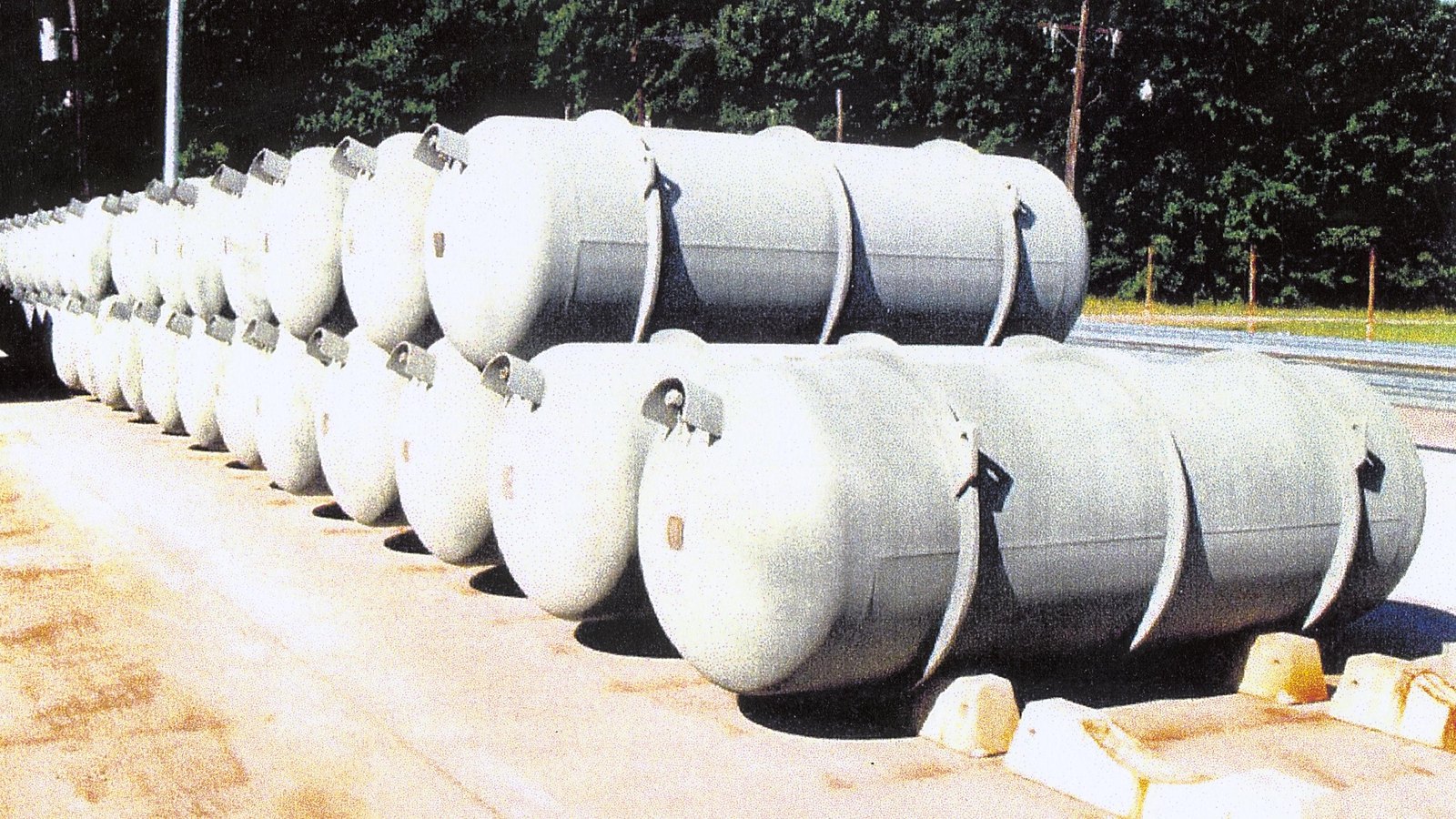
Historically, the Paducah Gaseous Diffusion Plant provided enrichment services from 1952 until commercial operations ceased in 2013, leaving tens of thousands of depleted uranium hexafluoride cylinders in outdoor storage yards. The General Matter initiative leverages this existing feedstock, converting legacy environmental liabilities into enriched uranium for civil power and academic research. The NRC’s environmental scoping process evaluates how re-enrichment operations affect terrestrial ecology, groundwater aquifers, air quality, and regional socioeconomics, aligning with the institutional definitions of environmental impact established under federal environmental protection regulations.
Stakeholder Positions and Public Participation
The publication of the scoping notice initiates formal consultations under Section 106 of the National Historic Preservation Act and executive directives governing tribal engagements. In accordance with 10 CFR 51.28, the commission has invited participation from the applicant, regional municipal bodies, affected Native American tribes, and local environmental monitors. Regulatory officials noted that while in-person scoping town halls will not be convened, electronic and written submissions will guide the drafting of the analytical scope.
Industry trade monitoring by World Nuclear News reports that General Matter structured its licensing submissions to prioritize foundational low-enriched uranium production before lodging formal amendments for high-assay enrichment lines. Regional economic development coalitions in western Kentucky have supported the project for its potential to repurpose trained nuclear site workers, whereas regional environmental watchdogs emphasize the need for rigorous groundwater monitoring given historical trichloroethylene and technetium-99 contamination plumes at the surrounding Paducah reservation.
Implications for University Nuclear Research and National Laboratories
University nuclear engineering departments and research reactor consortia represent primary beneficiaries of an expanded domestic enrichment infrastructure. Most university research and test reactors operate on low-enriched uranium fuel elements, while next-generation experimental systems—including microreactors and molten salt test loops under development at institutions such as Idaho National Laboratory, the Massachusetts Institute of Technology, and Texas A&M University—require high-assay low-enriched uranium enriched between 5% and 20% U-235. Without domestic enrichment sources, advanced university reactor research remains vulnerable to international supply chain disruptions.
For academic research offices and laboratory directors, the expansion of commercial enrichment facilities introduces parallel regulatory and compliance obligations. Faculty collaborating on laser enrichment diagnostics, isotope measurement protocols, and advanced nuclear materials characterization must adhere to stringent deemed-export and technology-transfer controls. Research administrative teams must ensure that technical exchanges comply with federal regulations governing export controls and international research collaboration, specifically 10 CFR Part 810 rules administered by the Department of Energy regarding nuclear technology assistance.
Furthermore, institutions participating in federally funded fuel cycle research must integrate security protocols into institutional governance. Principal investigators managing Department of Energy awards for fuel synthesis or materials testing must verify compliance with the mandatory DOE research security training requirement, ensuring that sensitive facility data, spectroscopic algorithms, and advanced fuel formulations are shielded from foreign interference.
Licensing Timeline and Next Procedural Steps
The public scoping period for the General Matter Paducah facility extends for 30 days following official publication in the Federal Register, establishing a formal comment deadline in late December 2026. The NRC staff will compile all scoping submissions into a concise environmental summary report, which will serve as an appendix to the forthcoming Draft Environmental Impact Statement.
Following the scoping phase, the NRC will formulate its draft environmental statement and publish a second notice of availability, triggering an extended public comment period with regional public meetings. In parallel, the commission’s technical divisions will prepare a comprehensive Safety Evaluation Report reviewing nuclear criticality safety, fire protection, emergency management, and material safeguards. General Matter targets initial commercial fuel deliveries by 2030, pending regulatory authorizations, environmental clearances, and subsequent facility construction milestones.
Sources
- Office of the Federal Register: Environmental Impact Statements; Availability, etc.: General Matter, Inc., General Matter Paducah Enrichment Facility, checked 2026-11-25
- U.S. Nuclear Regulatory Commission: Uranium Enrichment, checked 2026-11-25
- U.S. Department of Energy: U.S. Department of Energy Awards $2.7 Billion to Restore American Uranium Enrichment, checked 2026-11-25
- World Nuclear News: General Matter submits licence application for enrichment plant, checked 2026-11-25






