
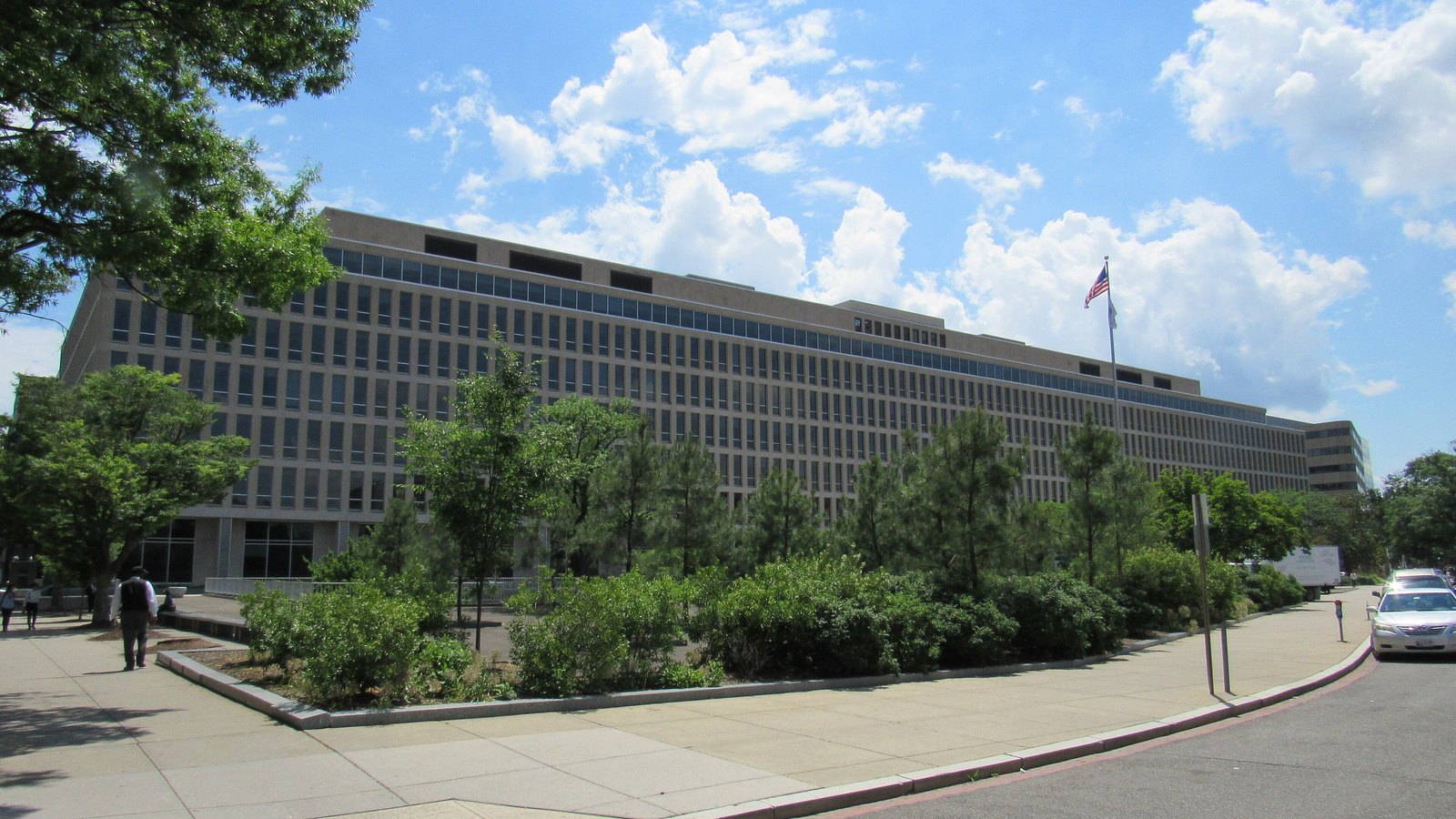
On November 25, 2026, the U.S. Department of Education issued a notice seeking public comment on recordkeeping and reporting mandates under Part C of the Individuals with Disabilities Education Act. The proposed three-year extension governs how 56 state lead agencies, university partners, and early intervention programs maintain developmental records, handle sensitive longitudinal data, and meet federal grant compliance standards.
Federal Register Notice on IDEA Part C Recordkeeping and Reporting
The Office of Special Education and Rehabilitative Services within the U.S. Department of Education submitted an Information Collection Request to the Office of Management and Budget under Docket Number ED-2026-SCC-2806. Published on public inspection on November 25, 2026, the filing initiates a 30-day public comment window under the Paperwork Reduction Act of 1995. The submission proposes an extension without change of OMB Control Number 1820-0682, which is scheduled to expire on January 31, 2027.
The collection framework covers recordkeeping obligations for the 56 state and territorial lead agencies receiving formula grant funding under Part C of the Individuals with Disabilities Education Act (IDEA), codified at 20 U.S.C. 1431 through 1444. Although state agencies do not transmit individual child records directly to the Secretary of Education, federal regulations require comprehensive state-level record retention, interagency data exchange protocols, and dispute resolution tracking. Ross Santy, Chief Data Officer in the Office of Planning, Evaluation and Policy Development, certified the filing on behalf of the Department.
Key Regulatory Parameters, Reporting Scope, and Program Deadlines
The notice calculates administrative compliance burdens across all 56 eligible jurisdictions, including the fifty U.S. states, the District of Columbia, Puerto Rico, the U.S. Virgin Islands, Guam, American Samoa, and the Northern Mariana Islands. Federal analysts estimate that Part C recordkeeping generates 56 annual administrative responses totaling 4,268 burden hours nationwide, averaging 76.2 hours per state lead agency annually. Because this proceeding is an extension without change, the Department proposes no modifications to existing data requirements or administrative baselines.
Key operational parameters of the information collection request are detailed below:
| Parameter | Federal Specification | Statutory Citation | Administrative Scope |
|---|---|---|---|
| Federal Register Notice | FR Doc. 2026-24004 | Paperwork Reduction Act | Official agency notice published November 25, 2026 |
| Docket Identifier | ED-2026-SCC-2806 | 44 U.S.C. Chapter 35 | OMB review docket for public comment |
| OMB Control Number | 1820-0682 | 20 U.S.C. 1431-1444 | State and EIS recordkeeping and reporting approval |
| Governing Regulations | 34 CFR Part 303 | Part C Regulations | Mandatory standards for lead agencies and EIS providers |
| Respondent Universe | 56 State Lead Agencies | 34 CFR 303.101 | All states and territories receiving Part C grants |
| Annual Burden | 4,268 Total Hours | ICR Supporting Statement | Averages 76.2 burden hours per jurisdiction annually |
| Approval Status | Extension Without Change | OMB Clearance Cycle | Maintains clearance from January 2027 to January 2030 |
| Comment Deadline | 30 Days Post-Publication | OMB Review Window | Comments due on or before December 28, 2026 |
Written comments must be submitted through the federal regulatory clearinghouse at Office of Information and Regulatory Affairs under the Department of Education review docket. The Department is soliciting feedback on whether the collection is necessary for agency operations, whether data will be processed in a timely manner, the accuracy of burden estimates, information enhancement opportunities, and methods to minimize burden through automated information technology.
Legislative Authority, 34 CFR Part 303, and State Lead Agency Architecture
Part C of IDEA establishes statewide, comprehensive, multidisciplinary systems providing early intervention services to infants and toddlers with disabilities and their families. Under federal regulations at 34 CFR Part 303, each state governor designates a single lead agency responsible for general administration and monitoring. In most jurisdictions, this responsibility resides within the state department of health, education, or social services.
State lead agencies must administer child find mechanisms, individualized family service plans (IFSPs), and central directory systems under 34 CFR 303.117. Furthermore, 34 CFR 303.401 through 303.417 establish rigorous confidentiality standards governing how participating entities maintain, disclose, and destroy early intervention files. Agencies must maintain access logs, secure written parental consent prior to releasing identifiable records, and safeguard parental inspection rights. The Early Childhood Technical Assistance Center tracks how state systems implement these performance indicators, noting that structured recordkeeping is essential for annual state performance reporting under IDEA sections 616 and 642.
Stakeholder Perspectives and Early Intervention Data System Challenges
State coordinators, disability advocates, and data evaluators have highlighted the operational complexities of maintaining integrated early intervention registries. Because service delivery spans pediatric medical centers, county social services, community therapy practices, and local education agencies, state agencies face significant data integration challenges. Technical assistance specialists at the Center for IDEA Early Intervention and Early Childhood Data Systems emphasize that lead agencies must balance documentation efficiency with rigorous data deduplication and secure longitudinal matching.
Sector analyses indicate that while the federal ICR estimates 76.2 annual burden hours per jurisdiction, the institutional effort required across local service networks is substantial. Linking electronic health records, therapeutic service logs, and developmental milestones into state longitudinal systems requires ongoing staff training, software maintenance, and interagency agreements. Stakeholders reviewing the ICR renewal are urging federal officials to support interoperable data standards that ease reporting burdens on frontline specialists.
Implications for University Centers, Research Offices, and Data Governance
The proposed renewal of OMB Control Number 1820-0682 carries direct operational consequences for higher education institutions, particularly academic medical centers and university research programs. University faculty frequently conduct state-contracted Part C program evaluations, operate clinical early intervention sites, or direct research initiatives within the national network of University Centers for Excellence in Developmental Disabilities. These university centers frequently link administrative Part C records with maternal-child health registries, Medicaid claims, and educational databases to evaluate developmental interventions.
For campus sponsored programs and research compliance offices, managing Part C collaborative partnerships requires navigating several key compliance dimensions:
- Human Subjects and Secondary Data Determinations: Research teams analyzing state Part C developmental datasets must obtain formal institutional review board determinations. Compliance staff should reference criteria for determining whether a project qualifies as human subjects research when evaluating whether de-identified early intervention records meet federal exemption standards under 45 CFR 46.
- Ethical Oversight and IRB Approval: Projects involving identifiable child assessments or direct clinical interventions require full committee review. Investigators should review standard protocols on institutional review board governance structures to align multi-site pediatric data protocols with federal research protections.
- Data Governance Versus Data Management: Research offices must establish institutional policy frameworks distinct from routine storage administration by consulting principles in research data management versus data governance. Academic teams handling Part C files must implement role-based access, automated audit trails, encryption, and binding data use agreements.
- Subrecipient Monitoring and Pass-Through Oversight: Because state lead agencies frequently distribute Part C grant funds to universities via subawards, research administrators must uphold strict compliance oversight. Sponsored project teams must adhere to federal standards under subrecipient monitoring regulations to ensure local clinics and clinical trainees fulfill documentation mandates.
- Privacy Intersections Between FERPA and IDEA: While the Family Educational Rights and Privacy Act (FERPA) protects student education records held by educational agencies, early intervention records held by non-educational health agencies are governed by IDEA Part C confidentiality rules (34 CFR 303.401-303.417). University teams working across healthcare and school systems must establish data agreements aligned with the governing privacy statute.
Upcoming Milestones, Comment Procedures, and Implementation Timeline
The publication of Notice 2026-24004 opens a 30-day public comment window closing on December 28, 2026. Interested stakeholders, including university research administrators, early childhood policy researchers, state coordinators, and service providers, may submit comments electronically through the Reginfo clearinghouse referencing Docket ED-2026-SCC-2806 and OMB Control Number 1820-0682.
Following the close of public comments, the Office of Information and Regulatory Affairs will review public submissions alongside agency documentation before issuing an approval decision. If granted, the three-year extension will maintain federal clearance for 34 CFR Part 303 recordkeeping obligations through January 31, 2030, ensuring regulatory continuity for state lead agencies and university research partners.
Sources
- Federal Register: Public Inspection: Agency Information Collection Activities; Proposals, Submissions, and Approvals: State and Early Intervention Services Record Keeping and Reporting Requirements under Part C, checked 2026-11-25
- Office of Information and Regulatory Affairs: Information Collection Review, checked 2026-11-25
- Electronic Code of Federal Regulations: 34 CFR Part 303 — Early Intervention Program for Infants and Toddlers with Disabilities, checked 2026-11-25
- Center for IDEA Early Intervention and Early Childhood Data Systems: Data Governance and Management Toolkit, checked 2026-11-25
- Association of University Centers on Disabilities: AUCD | UCEDDs, checked 2026-11-25
- Early Childhood Technical Assistance Center: ECTA Center: Improving Systems, Practices and Outcomes, checked 2026-11-25






