
Following earlier seasonal restrictions on Eastern Aleutian Pacific Ocean perch and Atka mackerel, NOAA Fisheries issued an inseason rule on November 25, 2026, specifically closing directed fishing for the Bering Sea subarea Pacific cod quota under FR Doc. 2026-24105. The temporary closure under 50 CFR Part 679 safeguards the 109,908 metric ton non-CDQ harvest limit, requiring marine biology departments and university research offices to align catch-monitoring and stock-assessment datasets through year-end.
Emergency Inseason Closure for Bering Sea Pacific Cod
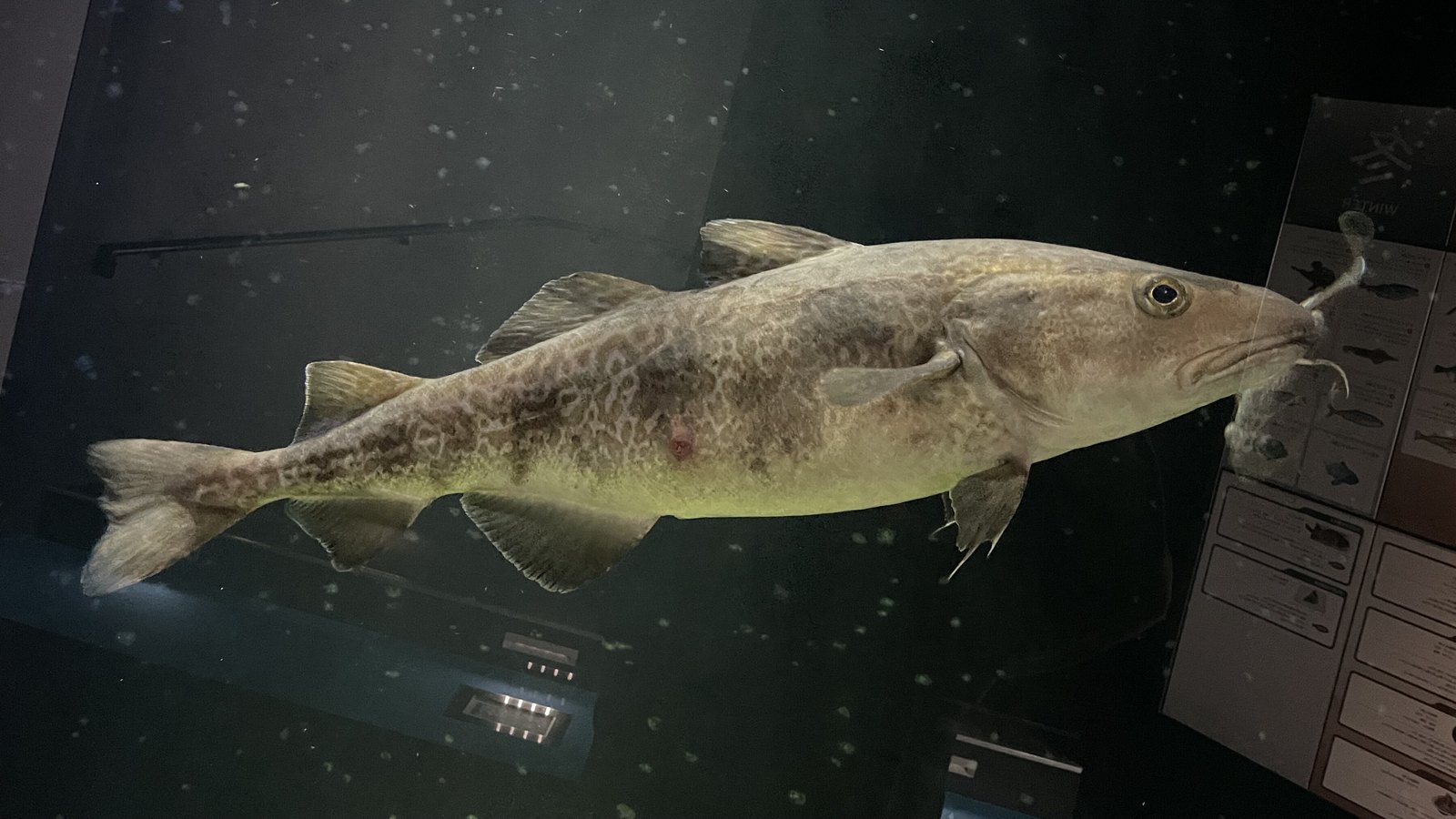
On November 24, 2026, the National Marine Fisheries Service (NMFS), an agency of the National Oceanic and Atmospheric Administration (NOAA) under the Department of Commerce, filed an inseason temporary rule with the Federal Register (Docket No. 260305-0066, RTID 0648-XF882) prohibiting directed fishing for Pacific cod (Gadus macrocephalus) in the Bering Sea subarea of the Bering Sea and Aleutian Islands Management Area (BSAI). Scheduled for official publication on November 27, 2026, the closure takes effect at 12:00 hours Alaska local time (A.l.t.) on November 25, 2026, and remains in force through 24:00 hours A.l.t. on December 31, 2026.
Signed by Shannon Bettridge, Acting Director of the Office of Sustainable Fisheries at NMFS, the action applies to commercial non-Community Development Quota (non-CDQ) operations. The closure covers catcher vessels across gear categories in the subarea, including pot gear catcher vessels and hook-and-line fleets. NMFS determined the closure was necessary following a review of landings data compiled as of November 23, 2026, which showed that continued directed operations would exceed the subarea non-CDQ allocation.
To avoid overharvest while sustaining adjacent commercial groundfish fisheries, the NMFS Regional Administrator established a directed fishing allowance of 109,077 metric tons (mt) and reserved 831 mt as an incidental catch allowance. During the closure, maximum retainable amounts (MRAs) apply at all times during fishing trips, capping retained incidental Pacific cod.
Harvest Allocations and Regulatory Thresholds
The Pacific cod fishery is among the highest-volume commercial groundfish harvests in the Exclusive Economic Zone off Alaska. The 2026 total allowable catch (TAC) parameters for the BSAI groundfish complex were established in the final 2026 and 2027 harvest specifications (91 FR 11750, March 10, 2026). The non-CDQ allocation for the Bering Sea subarea was set at 109,908 mt, distinct from Western Alaska Community Development Quota reserves.
Under federal regulations, when the Regional Administrator assesses that a directed allowance has been reached, NMFS must close directed fishing to reserve the remaining quota for bycatch in other groundfish fisheries. The core quantitative metrics governing this action include:
| Regulatory Metric | Harvest Specification Threshold | Statutory Citation |
|---|---|---|
| Bering Sea Subarea Non-CDQ TAC Allocation | 109,908 metric tons (mt) | 91 FR 11750; 50 CFR § 679.20(a) |
| Directed Fishing Allowance Established | 109,077 metric tons (mt) | 50 CFR § 679.20(d)(1)(i) |
| Incidental Catch Set-Aside | 831 metric tons (mt) | 50 CFR § 679.20(d)(1)(i) |
| Effective Period | 12:00 A.l.t. Nov 25, 2026 – 24:00 A.l.t. Dec 31, 2026 | FR Doc. 2026-24105 |
| Incidental Retention Rule | Maximum Retainable Amounts (MRA) Apply | 50 CFR § 679.20(e) and (f) |
| Exempt Sector | Community Development Quota (CDQ) Allocation | 50 CFR § 679.20(b)(1)(ii) |
Commercial vessels holding federal permits for pot gear and hook-and-line gear must cease targeted Pacific cod operations. Any retention during trips targeting other groundfish, such as flatfish or pollock, must comply with maximum retainable percentages calculated against aggregate retained groundfish.
Statutory Authority and Groundfish Fishery Management
Federal fisheries management in the Exclusive Economic Zone off Alaska is governed by the Magnuson-Stevens Fishery Conservation and Management Act (16 U.S.C. 1801 et seq.). Under this framework, the North Pacific Fishery Management Council prepares Fishery Management Plans (FMPs) to prevent overfishing while achieving optimum yield on a continuing basis. The Fishery Management Plan for Groundfish of the Bering Sea and Aleutian Islands Management Area governs commercial activity across this basin.
Regulations implementing the BSAI Groundfish FMP appear at 50 CFR Part 679, with national standards set out under subpart H of 50 CFR Part 600. Section 679.20 defines the administrative mechanism for TAC apportionment and inseason adjustments, allowing NMFS to adjust seasons rapidly in response to electronic logbooks and processor reports.
In the rule classification, NMFS invoked good cause under 5 U.S.C. § 553(b)(B) to waive prior notice and public comment, as well as 5 U.S.C. § 553(d)(3) to establish an immediate effective date. The agency noted that delaying closure would cause non-CDQ catch to breach statutory limits, as late autumn harvest rates rapidly absorbed remaining quota balances.
Stakeholder Perspectives and Management Responses
Inseason closures are standard administrative tools in North Pacific groundfish management, but they require swift operational adaptations by commercial fleets. Representatives from pot catcher vessel associations and longline coalitions operating out of Dutch Harbor, Kodiak, and Puget Sound monitor daily landings reports to manage vessel deployments. Fleet managers noted that strong autumn catch rates accelerated quota exhaustion faster than in the preceding season, necessitating the late November transition to bycatch-only status.
NOAA Fisheries scientists emphasize that Pacific cod is an ecologically pivotal gadid species sensitive to warming bottom water temperatures and marine heatwaves across the Bering Sea shelf. Adhering strictly to total allowable catch caps protects adult spawning biomass and recruitment stability across subareas. The Food and Agriculture Organization has frequently cited the North Pacific management structure as an exemplary precautionary model for science-based catch limits and real-time electronic accounting.
Marine conservation researchers also observed that timely closures limit seafloor contact from heavy pot and bottom-trawl gear during early winter, protecting benthic habitats and forage fish communities that support endangered marine mammals.
What It Means for Researchers, Universities, and Research Offices
The Bering Sea Pacific cod closure carries direct, practical implications for university marine laboratories, academic investigators, and research compliance offices:
- Fisheries Science and Biomass Modeling: Academic fisheries scientists incorporating inseason landings into Bering Sea stock assessment models gain finalized commercial removal figures to calibrate recruitment and mortality functions.
- Observer Program Data Dynamics: Researchers utilizing North Pacific Fisheries Observer Program datasets must account for the cessation of targeted sampling, noting shifts toward incidental catch rates and altered size distributions across spatial grids.
- Scientific Research Permits and Institutional Compliance: Academic institutions operating scientific research vessels or conducting marine collection charters under 50 CFR § 679.6 must ensure activities remain independent of commercial harvest bans. University offices of regulatory affairs must verify that scientific research plans, permit renewals, and specimen vouchers comply with federal exemptions.
- Ecosystem Modeling and Habitat Baselines: Oceanographic investigators analyzing wider marine environmental impact metrics can refine benthic disturbance baselines, assessing how fixed-gear withdrawal influences benthic epifauna and seafloor communities.
- Open Catch Telemetry and Scientific Repositories: University data managers supporting ocean science programs can ingest standardized federal catch reporting under open data standards, synchronizing fishery records with oceanographic sensor networks for longitudinal ecosystem modeling.
What Happens Next
With the directed fishing closure effective November 25, 2026, commercial vessels must adhere strictly to maximum retainable amounts upon landing at shoreside plants and floating processors. Inseason managers in Juneau will track incidental catch tallies across ongoing groundfish fisheries to ensure total removals do not exceed the 831 mt incidental reserve before the December 31 calendar year deadline.
In early December 2026, the North Pacific Fishery Management Council convenes its annual winter meeting in Anchorage to review updated stock assessment and fishery evaluation (SAFE) reports prepared by the Alaska Fisheries Science Center. Council members and advisory bodies will review trawl survey results, survey biomass indices, and acoustic assessments to adopt final 2027 and 2028 groundfish harvest specifications, determining Pacific cod quota allocations for the fishery’s scheduled reopening on January 1, 2027.
Sources
- Federal Register: Fisheries of the Exclusive Economic Zone Off Alaska; Pacific Cod in the Bering Sea Subarea of the Bering Sea and Aleutian Islands Management Area (FR Doc. 2026-24105), checked 2026-11-25
- Cornell Law School Legal Information Institute: 50 CFR Part 679 – Fisheries of the Exclusive Economic Zone Off Alaska, checked 2026-11-25
- North Pacific Fishery Management Council: Bering Sea and Aleutian Islands Groundfish Fisheries, checked 2026-11-25
- NOAA Fisheries: Pacific Cod (Gadus macrocephalus) Species Profile and Management, checked 2026-11-25
- Food and Agriculture Organization of the United Nations: Code of Conduct for Responsible Fisheries, checked 2026-11-25






