
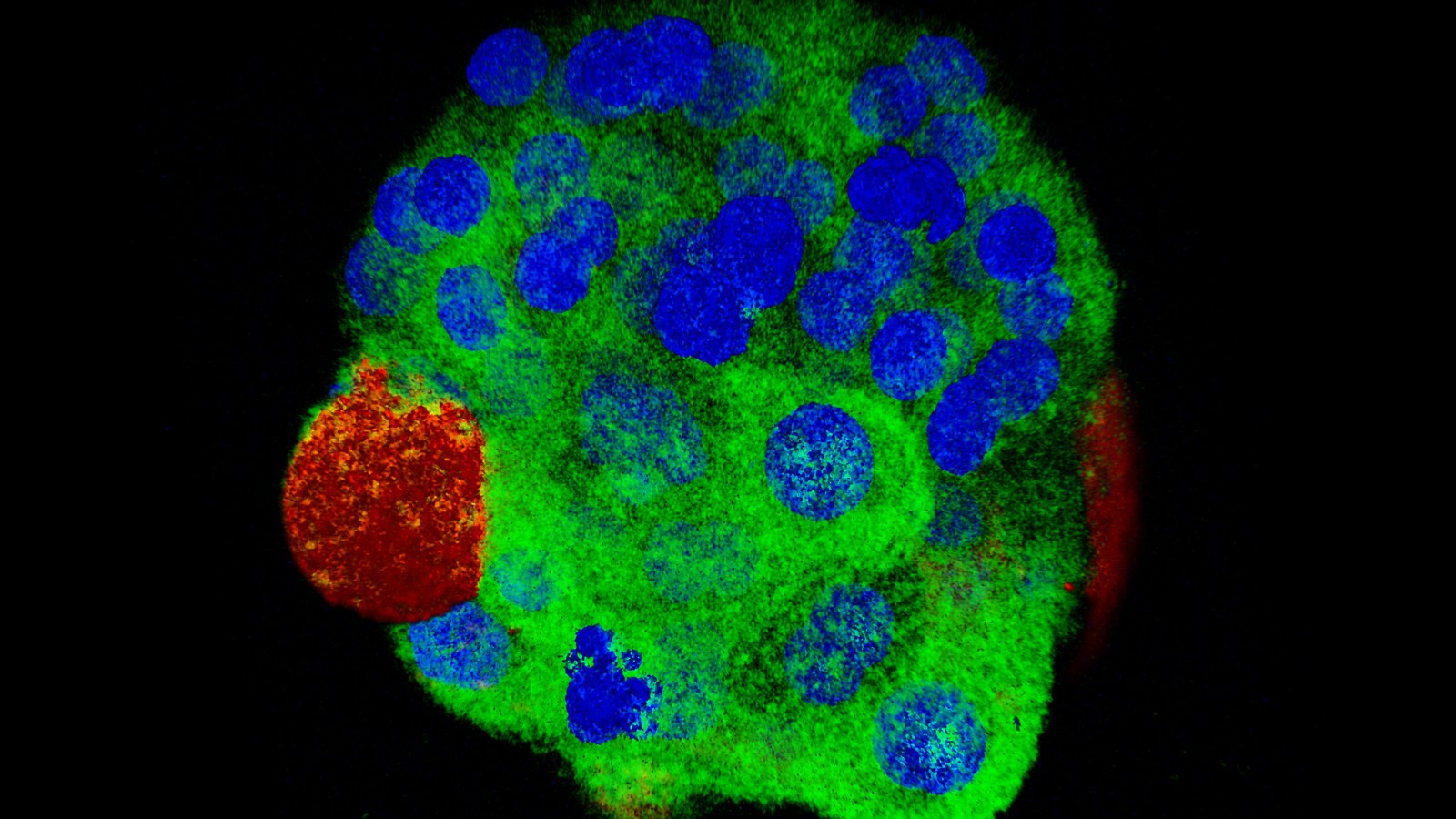
The U.S. Food and Drug Administration approved Wilserdly (giredestrant) on 23 November 2026 as a single agent after surgery for adults with estrogen receptor–positive, HER2-negative stage I–III breast cancer at intermediate to high risk of recurrence. It is a separate decision from the 16 November approval of giredestrant with everolimus for advanced disease. The agency calls the once-daily oral tablet the first new hormone therapy for early-stage breast cancer in more than 20 years, and the decision rests on one randomised phase 3 trial.
What happened
The FDA announced the approval in a news release dated 23 November 2026. Wilserdly belongs to a class called oral estrogen receptor antagonists. In estrogen receptor–positive disease, estrogen binds receptors on cancer cells and signals them to grow; the agency says drugs of this class block that process and break down the receptors. The approval was granted to Genentech, a member of the Roche Group, and the application received priority review. The FDA said its evaluation was supported by an Assessment Aid that the applicant submitted voluntarily.
Angelo de Claro, M.D., director of the FDA’s Oncology Center of Excellence, said the review focused on whether Wilserdly could reduce the risk of recurrence more effectively than the hormone therapies patients already receive, and that the evidence showed it could. Acting FDA Commissioner Kyle Diamantas said the approval builds on progress in early-stage treatment.
Trade coverage places the decision ahead of schedule. Oncology Nursing News reported that the application had a target action date of 30 November 2026 and that the approval came one week after the advanced-disease decision.
Key details of the lidERA trial
The approval is based on lidERA (NCT04961996), a randomised, multicentre phase 3 trial. According to the FDA, 4,170 adults with this breast cancer subtype and an intermediate to high risk of recurrence were assigned to Wilserdly or to standard hormone therapy, either tamoxifen or an aromatase inhibitor (anastrozole, letrozole or exemestane), for up to five years. The trial registry lists Hoffmann-La Roche as lead sponsor, the phase as phase 3 and the status as active, not recruiting.
The FDA reports that Wilserdly reduced the risk of invasive breast cancer recurrence or death by 30% compared with standard hormone therapy; 140 patients in the Wilserdly group and 196 in the standard-therapy group had an event during follow-up. At three years, 92.4% of patients taking Wilserdly were alive and free of invasive breast cancer, against 89.6% on standard therapy, which the agency translates to about 28 more patients per 1,000. The FDA describes lidERA as the first phase 3 trial to show a benefit for an oral estrogen receptor antagonist in early-stage breast cancer.
| Measure | Wilserdly | Standard hormone therapy |
|---|---|---|
| Patients with an invasive recurrence or death event | 140 | 196 |
| Alive and free of invasive breast cancer at 3 years | 92.4% | 89.6% |
| Patients randomised (per Oncology Nursing News) | 2,084 | 2,086 |
The oncology outlets add statistical and design detail. Oncology Nursing News reports a hazard ratio of 0.70 (95% confidence interval 0.57–0.87; P = .0014) for invasive disease-free survival, and says the trial met its primary endpoint at a prespecified interim analysis after a median follow-up of 32.3 months. CURE describes lidERA as open-label, with a median participant age of 54, and reports a 31% lower risk of distant recurrence. Both note that overall survival data were immature at the time of the analysis; Oncology Nursing News gives an interim overall-survival hazard ratio of 0.79 (95% confidence interval 0.56–1.12), which did not reach statistical significance.
Safety information and who is covered
The FDA lists the most common side effects, those in at least 10% of patients, as muscle and joint pain, hot flashes, tiredness, headache, nausea, slower-than-normal heart rate, dizziness and numbness or tingling in the hands and feet. Common blood-test changes include raised liver enzymes, lower blood counts, high blood fat levels and changes in mineral and kidney test results. The agency says Wilserdly may harm a developing baby if taken during pregnancy, and that women who have not completed menopause should also receive an additional hormone-suppressing medicine. Men may receive the medicine as determined by their healthcare provider.
CURE reports an 11.3% bradycardia incidence and a lower treatment-discontinuation rate than standard therapy, 5.3% versus 8.2%. Oncology Nursing News says bradycardia and embryo-fetal toxicity are labelled warnings and precautions. Readers should rely on the prescribing information for the complete list of adverse events; this report is not treatment advice.
Background and context
The FDA puts the 2026 burden of breast cancer in the United States at an estimated 321,910 new cases in women and 2,670 in men, roughly 70% of them estrogen receptor–positive and HER2-negative. OncoDaily, which describes tamoxifen and the aromatase inhibitors letrozole, anastrozole and exemestane as the traditional backbone of treatment after surgery, notes that giredestrant differs by targeting the estrogen receptor directly rather than reducing estrogen production, and calculates the three-year difference as 2.8 percentage points (OncoDaily). The lidERA results were first presented at the 2025 San Antonio Breast Cancer Symposium, according to Oncology Nursing News.
The earlier approval, on 16 November 2026, covers Wilserdly with everolimus for certain adults with ESR1-mutated advanced or metastatic disease whose cancer recurred or progressed during or after endocrine therapy. The FDA says that decision was based on the evERA trial (NCT05306340).
What it means for researchers, universities and research offices
For clinical research offices and investigators running adjuvant endocrine therapy studies, a labelled oral estrogen receptor antagonist now exists in a setting where tamoxifen and aromatase inhibitors have long served as the comparator. Protocols that define standard of care by reference to those drugs may merit a review by the study team and the institutional review board; the FDA announcement does not itself prescribe any change to existing studies.
The FDA states that patients in lidERA are still being followed to see whether Wilserdly helps them live longer, and that the applicant has agreed to submit those results as a postmarketing commitment. Researchers who track surrogate and long-term endpoints can follow the registry record and the agency’s later communications for that data. Background on trial staging is in the casrai guide to clinical trial phases, and registry practice is covered in the term entry for ClinicalTrials.gov.
What happens next
The FDA says the overall-survival results will be submitted as a postmarketing commitment; no date for that submission appears in the FDA release. The trial remains active, not recruiting, on ClinicalTrials.gov, so follow-up continues. Prescribing information and any further regulatory actions on giredestrant will be published by the FDA.
Sources
- U.S. Food and Drug Administration: FDA Approves First New Hormone Therapy for Early-Stage Breast Cancer in More Than 20 Years, 23 November 2026
- ClinicalTrials.gov: lidERA Breast Cancer, NCT04961996, U.S. National Library of Medicine
- Oncology Nursing News: FDA Approves Adjuvant Giredestrant for Early ER+/HER2– Breast Cancer, 23 November 2026
- CURE: FDA Approves Wilserdly to Lower Recurrence Risk in Early Breast Cancer, 23 November 2026
- OncoDaily: FDA Approves First New Hormone Therapy for Early Breast Cancer in Over 20 Years, 23 November 2026






