
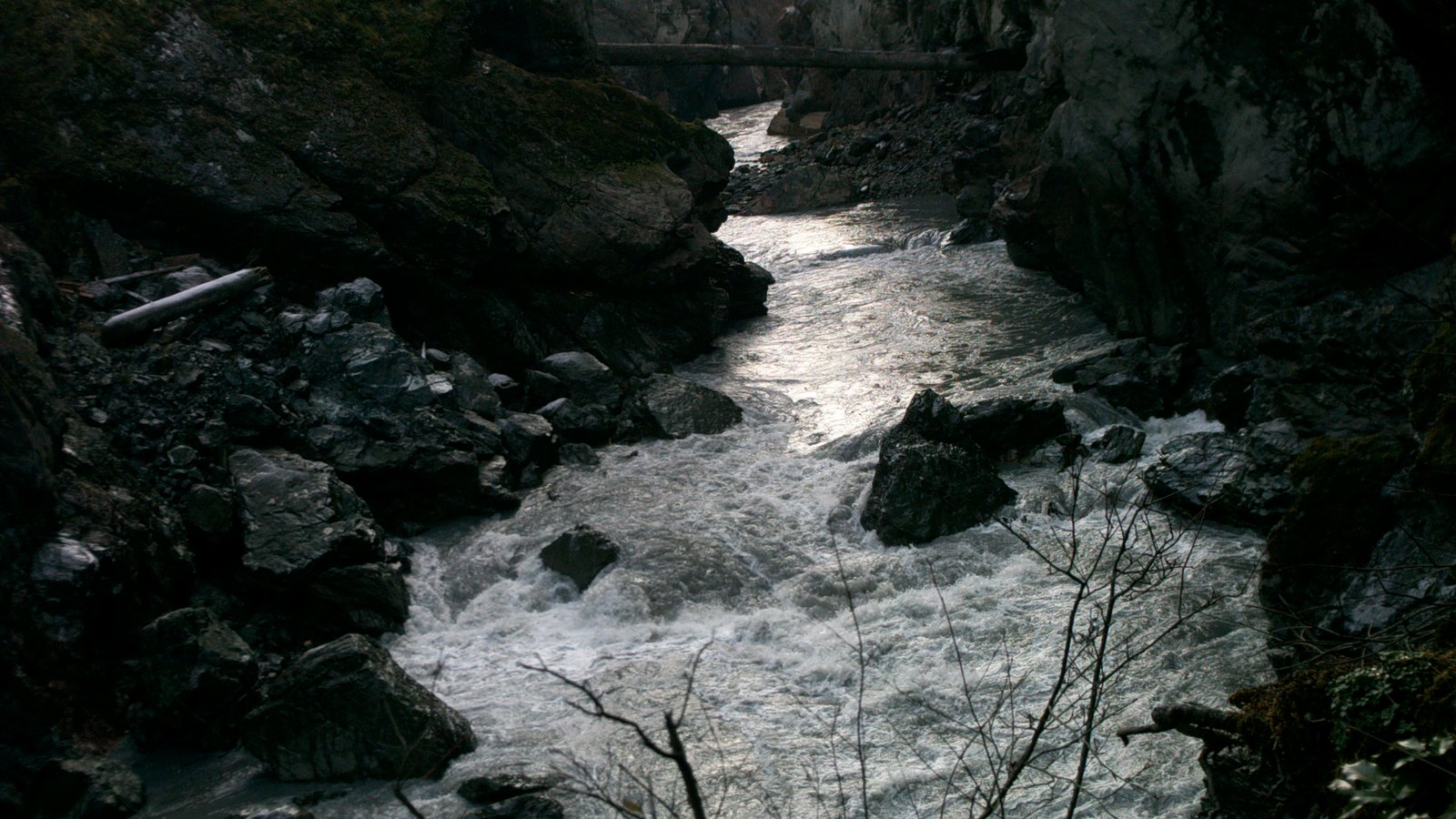
On November 24, 2026, the Federal Energy Regulatory Commission published a notice of availability for an environmental assessment examining the relicensing of the Forestport Hydroelectric Project in Oneida County, New York, establishing operational standards for aquatic flow regimes and Clean Water Act compliance that directly impact regional watershed research and university environmental monitoring protocols.
What happened
The Federal Energy Regulatory Commission (FERC) Office of Energy Projects formally issued its staff Environmental Assessment (EA) on November 19, 2026, and officially published the proceeding in the Federal Register on November 24, 2026, via a Notice of Availability of Environmental Assessment for Forestport Hydro, LLC (91 FR 75842, Document No. 2026-23888). The regulatory action concerns the relicensing application for the existing 3.4-megawatt Forestport Hydroelectric Project, designated as FERC Project No. 4900-090, situated on the Black River in the town of Forestport within Oneida County, New York.
In the comprehensive evaluation prepared in accordance with the National Environmental Policy Act of 1969 (NEPA) and the Commission regulations under 18 CFR Part 380, FERC staff evaluated the ecological, hydrological, and recreational impacts associated with continued long-term generation. The EA concludes that relicensing the facility with staff-recommended environmental measures would not constitute a major federal action significantly affecting the quality of the human environment. Consequently, Commission staff recommended a Finding of No Significant Impact (FONSI), assigning the formal review tracking identifier EAXX-019-20-000-1767605526. The Commission established a 30-day public comment period, setting the formal filing deadline for December 21, 2026, at 5:00 p.m. Eastern Time.
Key details and operational provisions
The Forestport Hydroelectric Project operates as a run-of-river facility drawing water from the upper reaches of the Black River basin. Under the relicensing framework, the project licensee must balance clean energy output with statutory conservation mandates across the river reach. Federal Power Act authority codified at 16 U.S.C. 797 grants the Commission broad licensing authority while requiring equal consideration of power production, fish and wildlife conservation, energy conservation, and environmental quality.
To mitigate aquatic disruption in the bypassed river section, the environmental assessment analyzes prescribed minimum instream flow regimes, fish passage infrastructure, and intake screening modifications designed to reduce impingement and entrainment. The Commission licensing conditions also incorporate mandatory wildlife mitigation recommendations submitted under 16 U.S.C. 803, alongside water quality certification conditions issued under Section 401 of the Clean Water Act.
| Parameter | Regulatory Requirement | Operational & Environmental Significance |
|---|---|---|
| Project Identifier | FERC Project No. 4900-090 | Official regulatory docket for Forestport Hydro, LLC relicensing proceedings. |
| Geographic Reach | Black River (Oneida County, NY) | Upper watershed coldwater and coolwater riverine habitat sustaining regional sport fisheries. |
| Environmental Review | NEPA EA (EAXX-019-20-000-1767605526) | Concludes licensing with protection measures yields no significant environmental disruption. |
| Flow Management | Run-of-River Operation | Mandates that outflow approximates inflow to prevent impoundment and downstream water fluctuations. |
| Aquatic Protections | Section 10(j) & Section 401 | Enforces bypass reach base flows, trashrack spacing, and dissolved oxygen standards. |
| Public Comment Window | Closes December 21, 2026 | Statutory 30-day public and agency input period before final licensing determination. |
Background and regulatory context
Small-scale hydroelectric generation facilities across the northeastern United States face rigorous multi-agency scrutiny when their original 30-to-50-year operating licenses expire. Originally licensed during early federal power expansion phases, facilities like the Forestport project must modernize operational regimes to satisfy updated federal environmental mandates. The modern environmental assessment methodology adheres to structured federal review standards established by the U.S. Environmental Protection Agency, requiring rigorous quantification of cumulative hydrologic and biological impacts.
Modern watershed researchers track federal hydropower asset lifecycles through specialized digital platforms such as HydroSource, which catalogs national hydropower infrastructure, water storage parameters, and environmental mitigation commitments. Regional water resource planning models also rely heavily on standardized geospatial hydrography systems like HydroSHEDS to evaluate basin-wide hydrologic connectivity, tributary discharge dynamics, and cumulative reservoir retention across complex drainage networks.
Interagency evaluations and environmental criteria
The relicensing analysis synthesizes multi-year field studies conducted in coordination with the New York State Department of Environmental Conservation (NYSDEC) and the U.S. Fish and Wildlife Service (USFWS). Key priorities in the staff assessment center on mitigating flow alterations through the project bypass reach. When water is diverted to power turbines, diverted sections can suffer reduced dissolved oxygen concentrations and elevated summer water temperatures, stressing resident trout and benthic macroinvertebrate populations.
To verify that project operations do not cause an adverse environmental impact on local aquatic biotas, staff recommendations include continuous digital water temperature recording, seasonal minimum bypass flow releases, and trashrack bar spacing adjustments to restrict juvenile fish intake. These empirical biological benchmarks establish enforceable operating limits that the licensee must maintain throughout the subsequent multi-decade license duration.
What it means for researchers and research institutions
The release of the Forestport Environmental Assessment provides significant analytical value and compliance implications for academic research institutions, aquatic ecology laboratories, and environmental policy centers:
- Empirical Hydrology and Flow Modeling: Academic hydrologists studying the Black River basin gain access to continuous empirical streamflow records, stage-storage ratings, and headpond fluctuation data filed in the public FERC eLibrary docket. These high-resolution datasets serve as ground-truth inputs for university hydrological models and watershed runoff simulations.
- Aquatic Ecology and Biological Monitoring: University biology departments and ecological survey teams conducting fisheries research can correlate long-term fish community censuses against regulated minimum bypass flow releases. Findings evaluating macroinvertebrate recolonization and thermal refuge availability can be prepared for submission to peer-reviewed technical publications like the Environmental Monitoring and Assessment journal.
- Environmental Compliance and Permitting Precedent: University legal clinics and regulatory compliance analysts can examine how FERC resolves conflicts between licensee economic viability and state-recommended resource protections under Federal Power Act Section 10(j), providing real-world case studies for environmental law curricula and regulatory policy research.
- Long-Term Water Quality Research: Interdisciplinary research teams studying nutrient transport, sediment dynamics, and continuous dissolved oxygen saturation can integrate the project mandatory water quality monitoring data into regional environmental observation networks.
Next steps and regulatory timeline
The publication of the Notice of Availability initiates the formal finalization sequence for the Forestport Hydroelectric Project. Stakeholders, academic institutions, conservation organizations, and members of the public have until 5:00 p.m. Eastern Time on December 21, 2026, to file written comments, interventions, or requests for rehearing with the Commission. Filings may be submitted electronically via the FERC Online eFiling and eComment portals referencing Docket No. P-4900-090, or delivered by mail to Commission Secretary Debbie-Anne A. Reese in Washington, D.C.
Following the conclusion of the public comment period, FERC staff will evaluate all technical submissions, coordinate with NYSDEC regarding final Section 401 Water Quality Certification conditions, and submit the complete record to the Commission for a final licensing order. Once approved, the subsequent operating license will govern hydroelectric generation, instream flow regimes, and ecological monitoring on the Black River for the next 30 to 50 years.
Sources
- Federal Register: Forestport Hydro, LLC; Notice of Availability of Environmental Assessment, checked 2026-11-28
- Electronic Code of Federal Regulations (eCFR): 18 CFR Part 380 — Regulations Implementing the National Environmental Policy Act, checked 2026-11-28
- Cornell Law School Legal Information Institute: 16 U.S.C. 797 — General Powers of Commission Under the Federal Power Act, checked 2026-11-28
- Cornell Law School Legal Information Institute: 16 U.S.C. 803 — Conditions of License Generally, checked 2026-11-28
- U.S. Environmental Protection Agency: National Environmental Policy Act Review Process, checked 2026-11-28






