
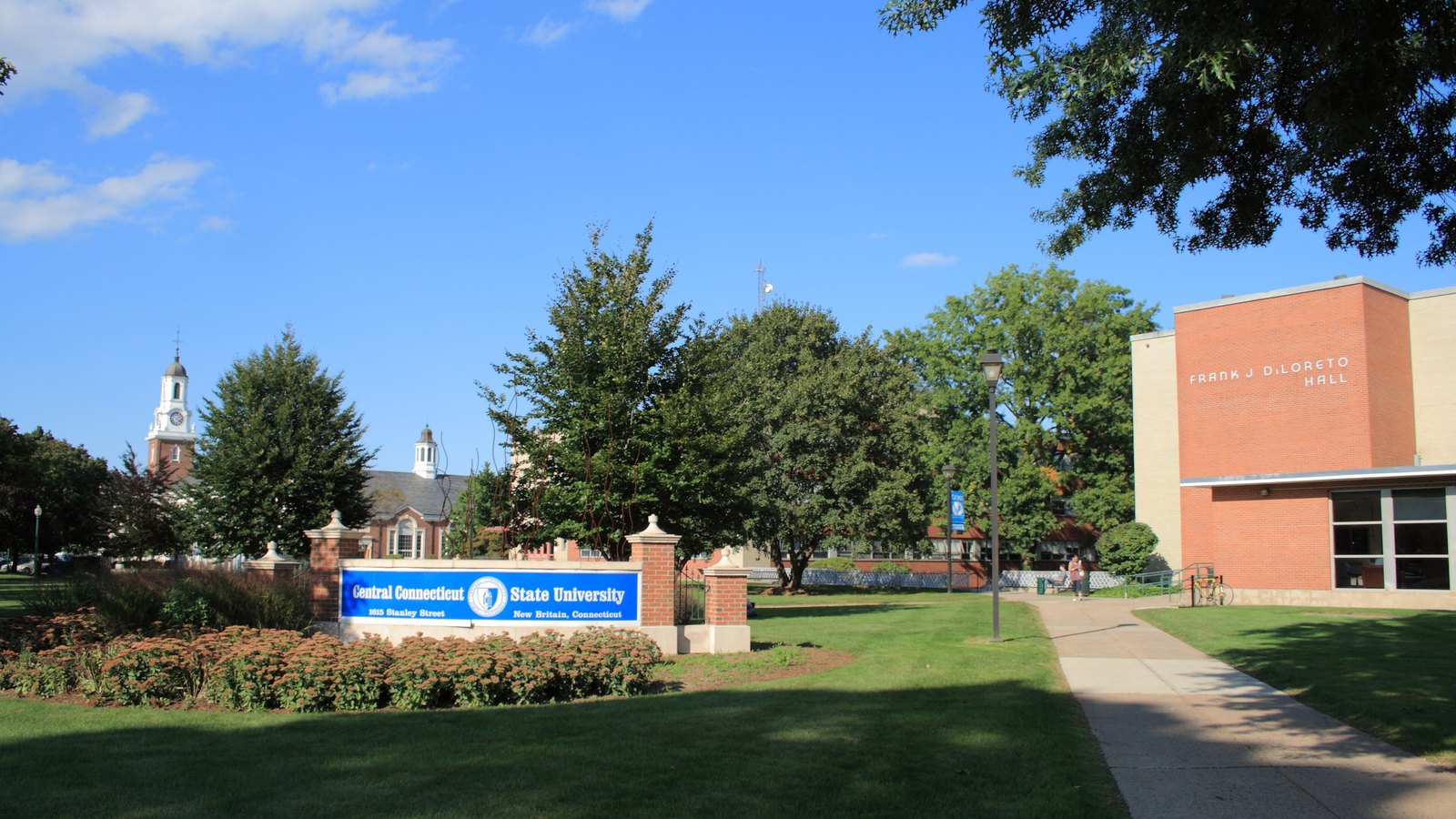
On November 19, 2026, faculty, students, and union representatives across the Connecticut State Colleges and Universities system gathered at Central Connecticut State University in New Britain to protest a biennial budget proposal pairing a 3% tuition hike and $98 million in service cuts with a record state funding request. The demonstration highlights growing structural deficits across regional higher education institutions, directly impacting faculty workloads, research administration, and student access.
Rally at CCSU and Opposition to the Biennial Budget Proposal
Students, faculty, and union leaders assembled at Central Connecticut State University (CCSU) on Thursday, November 19, 2026, protesting the financial package advanced by the Connecticut State Colleges and Universities (CSCU) system administration. Organized by chapters of the Connecticut State University American Association of University Professors (CSU-AAUP) and the 4Cs SEIU Local 1973, demonstrators opposed a proposed 3% annual tuition hike paired with approximately $98 million in institutional expenditure reductions over the FY 2028–2029 biennium.
Drafted under interim chancellor Natalie Braswell and submitted to the Connecticut Board of Regents for Higher Education, the proposal attempts to stabilize four regional universities and twelve community college campuses. While CSCU leaders simultaneously requested over $319 million in supplemental state funding, rally speakers argued that passing cost burdens onto students undermines higher education access and accelerates administrative austerity across regional public campuses.
Financial Breakdown: Tuition Hikes, Spending Cuts and Appropriations Requests
The CSCU biennial budget proposal for fiscal years 2028 and 2029 combines tuition increases, internal spending contractions, and an unprecedented legislative appropriations request. The financial plan models a 3% annual tuition increase across all system institutions following a one-year tuition freeze. To reduce structural shortfalls, CSCU plans approximately $43 million in institutional cuts for FY 2028 and $55 million for FY 2029, totaling $98 million, as reported by Hoodline.
Concurrently, Braswell requested $168.8 million in additional state funding for FY 2028 and $150.3 million for FY 2029 from the Connecticut General Assembly—a combined $319.1 million ask that spokesperson Sam Norton characterized as one of the system’s largest in history. The operational figures and fiscal pressures driving the proposal are detailed below:
| Fiscal Metric / Component | FY 2028 Allocation | FY 2029 Allocation | Biennial Aggregate / Structural Scope |
|---|---|---|---|
| Proposed Tuition and Fee Adjustment | +3.0% increase | +3.0% increase | Compound rate increase across all CSCU institutions |
| Institutional Expenditure Reductions | $43.0 million | $55.0 million | $98.0 million in internal service reductions |
| Supplemental State Appropriation Request | $168.8 million | $150.3 million | $319.1 million requested from General Assembly |
| Unfunded Wage Disparity (FY26–FY27 Base) | Included in base | Included in base | $162.0 million cumulative wage increase shortfall |
| State Fringe Benefit Funding Loss | Liability | Liability | $104.0 million reduction in state fringe support |
| Expiring Federal Pandemic Relief | Full sunset | Full sunset | $164.0 million in temporary aid exhausted |
| Personnel Expenditure Variance | Operating gap | Operating gap | $75.0 million gap between actual and forecast costs |
Structural Drivers: The Shift From State Support to Student Tuition
The protest at CCSU highlighted a long-term inversion in CSCU revenue streams. Reporting by the CT Mirror indicates that in fiscal year 2019, students contributed 56% of CSCU institutional revenue while state appropriations covered 44%. By fiscal year 2027, student tuition is projected to account for 67% of system revenue, leaving the state share at 33%.
This revenue shift intersects with compounding budgetary liabilities presented to the Board of Regents on November 11. System analysts outlined a $162 million gap across FY 2026 and FY 2027 between state-negotiated collective bargaining wage increases and the state funding provided to meet them. Furthermore, alterations to state fringe benefit funding resulted in a $104 million reduction, while $164 million in temporary federal pandemic relief expired, leaving institutional accounts without emergency reserves to absorb a $75 million variance in personnel expenditures.
Stakeholder Reaction: Clashing Visions of Higher Education Affordability
Students and union leaders delivered sharp rebukes of the proposed fiscal roadmap. Central Connecticut State University student Anthony Ortiz told attendees, “I personally can’t afford to pay more for tuition. I personally can’t afford to work more and to study less.” CCSU undergraduate Rafael Romero warned that higher costs would force him to withdraw after three years of study. CT State Quinebaug Valley student Lindsay Furbish voiced the rally’s unifying demand: “Don’t balance the budget on our backs.”
Union leaders also challenged state budget allocations and central administration spending. Louise Williams, president of CT State’s chapter of the American Association of University Professors, criticized Governor Ned Lamont and legislative leaders for adhering to strict statutory spending guardrails rather than expanding higher education investment. Seth Freeman, president of 4Cs SEIU Local 1973, called for scrutiny of central administrative costs: “We are demanding an accounting for every dollar spent at 61 Woodland Street before you force students to pay more in tuition.” Charter Oak State College professor Ruth McDonald argued rate hikes would subsidize central administrative growth.
State officials defended existing funding levels while acknowledging student concerns. As reported by the Hartford Business Journal, Lamont communications director Cathryn Vaulman stated that state General Fund operating support for CSCU has expanded by more than 50% during the governor’s tenure. Higher Education Committee co-chair Senator Derek Slap (D-West Hartford) noted published tuition rates often exceed net costs after aid and stated plans to introduce debt-free public university legislation in 2027.
Consequences for Regional Research, Faculty Workload and Campus Governance
Beyond undergraduate affordability, spending cuts and revenue shortfalls directly constrain academic research and faculty governance at regional comprehensive campuses like CCSU. When operational budgets contract, academic departments face hiring freezes, increased teaching loads, and eliminated course releases. For regional principal investigators, heavier instructional schedules compress time needed for grant-funded discovery, undergraduate mentorship, and laboratory management, complicating institutional time and effort reporting.
Concurrently, shifting state support strains research administration. Sponsoring agencies require precise accounting when building research grant budgets, where fluctuating fringe benefit rates significantly alter direct personnel cost projections. Diminished state fringe support forces campuses to redirect discretionary research funds toward overhead obligations, curtailing startup packages and student research stipends. In addition, reduced central staff slows award negotiation and compliance, diminishing cost recovery through institutional indirect costs and institutional overhead.
Legislative Outlook and Board Voting Schedule
The CSCU budget request proceeds through formal procedural hurdles over the coming months. The Board of Regents for Higher Education convenes for a special meeting on Friday, November 20, 2026, to vote on submitting the biennial request package to state budget officials and the governor’s office. This vote establishes the system’s formal funding request heading into state negotiations.
Adoption of the budget request does not implement the proposed 3% tuition increase. Governing bylaws mandate separate consideration for tuition adjustments, with the Board of Regents scheduled to debate and vote specifically on the tuition hike in December 2026. Final funding levels will be decided by the Connecticut General Assembly during its 2027 legislative session, determining whether regional campuses must enforce the $98 million in planned operational reductions.
Sources
- Connecticut State Colleges and Universities: CSCU – Board of Regents – Upcoming Meetings, checked 2026-11-20
- CT Mirror: Potential tuition hike, cuts rattle CSCU students and faculty, checked 2026-11-20
- Hartford Business Journal: CSCU students, faculty push back on proposed 3% tuition hike, checked 2026-11-20
- Hoodline: CCSU Students Protest CSCU Tuition Hike, Budget Cuts, checked 2026-11-20


