
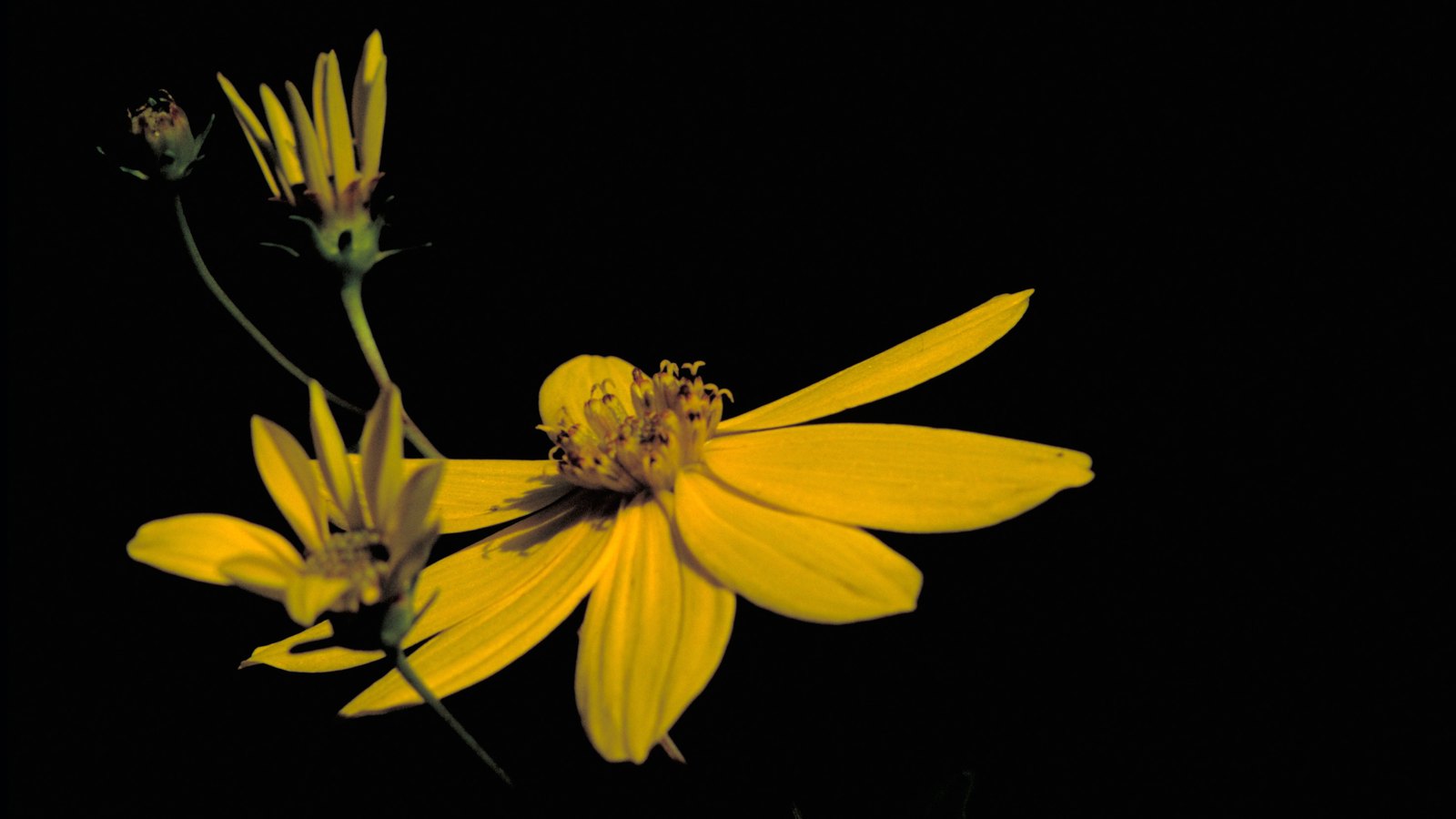
On November 25, 2026, the U.S. Fish and Wildlife Service proposed listing the ciliate-leaf tickseed (Coreopsis integrifolia) as a threatened species under the Endangered Species Act, establishing a tailored Section 4(d) rule across Florida, Georgia, and South Carolina that introduces federal permitting requirements and biological material transfer standards for university botanists, herbaria, and field ecologists.
Threatened Listing and Conservation Protections Announced
The U.S. Fish and Wildlife Service (FWS) published its proposed listing determination and protective regulations for the ciliate-leaf tickseed (Coreopsis integrifolia) in Federal Register proposed rule 2026-24097, initiating formal protections under the Endangered Species Act of 1973 (ESA). Operating under Docket No. FWS-R4-ES-2026-0892 and RIN 1018-BI19, the agency concurrently issued a 12-month petition finding concluding that federal listing is warranted. The action adds the wetland perennial to the federal List of Endangered and Threatened Plants at 50 CFR 17.12(h) and establishes species-specific rules codified at 50 CFR 17.73(l).
The rule applies statutory prohibitions under ESA Section 9(a)(2) and 50 CFR 17.61, making it unlawful to import, export, or deliver the plant in interstate or foreign commerce. On lands under federal jurisdiction, the rule prohibits removing, cutting, digging up, or damaging wild specimens. On non-federal lands, destruction or removal in knowing violation of state conservation laws or state criminal trespass laws constitutes a federal violation. FWS Director Brian Nesvik authorized the rule after demographic analyses confirmed escalating extinction risks across Southeastern coastal habitats.
Population Metrics, Distribution, and Regulatory Timelines
The Service identified 50 extant populations of ciliate-leaf tickseed across three Representation Units (RUs): South Carolina (RU1), southeast Georgia and northeast Florida (RU2), and the Florida Panhandle into southwest Georgia (RU3). Stem abundance ranges from single plants to 400,000 vegetative stems. Land tenure analysis reveals acute vulnerability: 43 populations occur on private land, 6 on state conservation lands, and only 1 on federal land at the Ernest F. Hollings ACE Basin National Wildlife Refuge in South Carolina.
Eighty percent of populations (40 of 50) occupy roadside or utility rights-of-way (ROWs), exposed to frequent mowing, herbicides, and ditch maintenance. Only 10 populations occupy natural wetland buffers. Under FWS resiliency assessments, 30 populations exhibit low resiliency, 15 show moderate resiliency, and 5 sustain high resiliency.
| Regulatory and Biological Parameter | Administrative Metric or Value | Conservation and Compliance Significance |
|---|---|---|
| Federal Register Tracking | Docket FWS-R4-ES-2026-0892; RIN 1018-BI19 | Official administrative identifier for public comments and docket submissions |
| Proposed Listing Status | Threatened (50 CFR 17.12(h)) with Section 4(d) Rule | Extends Section 9 plant protections with tailored research exceptions |
| Extant Populations and Resiliency | 50 extant across 3 RUs (5 High, 15 Moderate, 30 Low) | Core density in RU2 (37 populations); RU1 has 6 and RU3 has 7 populations |
| Habitat Ownership Breakdown | 43 Private, 6 State, 1 Federal (ACE Basin NWR) | High dependence on private land stewardship and right-of-way management |
| Public Comment Deadline | 60 calendar days post-publication (January 26, 2027) | Formal window for universities, herbaria, and ecologists to submit field data |
| Public Hearing Request Window | 45 calendar days post-publication (January 11, 2027) | Deadline for affected stakeholders to request formal public hearings |
Status Assessment History and Habitat Encroachment
Formal review of ciliate-leaf tickseed commenced in 2011, when the Service issued a 90-day finding on a regional multi-species petition. Tracked within the ECOSphere species profile maintained by the FWS, Coreopsis integrifolia has been evaluated under national listing workplans for over a decade. The species is a stoloniferous perennial herb in the aster family (Asteraceae) characterized by bright yellow ray petals and dark disc florets, thriving in moist soils, swamp margins, and floodplain corridors.
Conservation databases indicate sustained population declines. The biological database NatureServe Explorer catalogs Coreopsis integrifolia under global status G2 (Imperiled), citing narrow hydrologic requirements and habitat fragmentation. Similarly, the USDA PLANTS database entry for Coreopsis integrifolia records its restricted endemic distribution in southern river basins including the Chipola, Choctawhatchee, and Edisto. State botanical records in the University of South Florida Plant Atlas documentation for the species designate wild populations in Florida as state-endangered due to wetland drainage, silvicultural conversion, and road expansion.
Stakeholder Perspectives and Scientific Review
The Species Status Assessment (SSA) team underwent independent peer review by four external botanical experts before rulemaking. Reviewers concurred with the demographic models demonstrating that while populations in RU3 maintain near-term stability, populations across RU1 and RU2 face escalating threats from urban expansion, sea level rise, and roadside maintenance.
The rule highlights existing state protections that interface with federal oversight. In Florida, the plant is protected under Florida Statute 581.185 and the Preservation of Native Flora of Florida Act (Rule 5B-40), requiring collection permits. In Georgia, it is classified as threatened under the Georgia Wildflower Preservation Act (Georgia Code 12-6-170), prohibiting unauthorized cutting on public lands. State botanists noted that Section 6(c) cooperative agreements will serve as the primary vehicle for joint research and seed bank conservation.
Compliance and Permitting Requirements for Research Institutions
The proposed threatened status establishes operational compliance obligations for university departments, academic herbaria, and field ecologists. Principal investigators managing living accessions or seed stocks must verify documentation. Transferring viable germplasm across state borders for research requires an executed material transfer agreement verifying legal provenance and compliance with 50 CFR 17.72 permitting standards.
Botanists gathering any wild biospecimen samples, tissue vouchers, or herbarium collections on federal lands must secure scientific recovery permits under Section 10(a)(1)(A) of the ESA before sampling. The Section 4(d) rule authorizes agency personnel to salvage dead specimens without prior permits, but academic researchers must hold approved permits. Any salvaged specimen retained for scientific research must be reported in writing to the FWS Office of Law Enforcement within five days.
Research offices supporting ecological surveys along highways or utility corridors must ensure field teams obtain appropriate state scientific permits and written landowner permissions. Because unlawful cutting on non-federal land constitutes a federal violation under Section 9(a)(2) when violating state trespass laws, institutional risk management must confirm property authorizations.
Finally, research teams generating spatial, demographic, or genomic records should maintain rigorous data curation and structure findings according to FAIR data principles before docket submission. Verified field survey records submitted during the open rulemaking period will directly influence recovery benchmarks and future critical habitat determinations.
Public Comment Windows and Administrative Milestones
The proposed rule initiates a 60-day public comment period closing January 26, 2027. Submissions must be filed electronically through regulations.gov under Docket No. FWS-R4-ES-2026-0892 or mailed to the FWS Public Comments Processing office in Falls Church, Virginia. Requests for public hearings must be submitted in writing within 45 days, by January 11, 2027.
Following public review, the Service will analyze technical comments and botanical data to formulate a final listing determination. Under ESA statutory timelines, a final rule is anticipated within one year. Once published, the threatened listing and Section 4(d) regulations will become effective 30 days post-issuance.
Sources
- Federal Register: Public Inspection: Endangered and Threatened Species: Status with Section 4(d) Rule for Ciliate-leaf Tickseed, checked 2026-11-25
- U.S. Fish and Wildlife Service: ECOSphere: Species Profile, checked 2026-11-25
- NatureServe: NatureServe Explorer 2.0, checked 2026-11-25
- USDA Natural Resources Conservation Service: USDA Plants Database, checked 2026-11-25
- University of South Florida Institute for Systematic Botany: Coreopsis integrifolia / [Species detail] / Plant Atlas, checked 2026-11-25






