
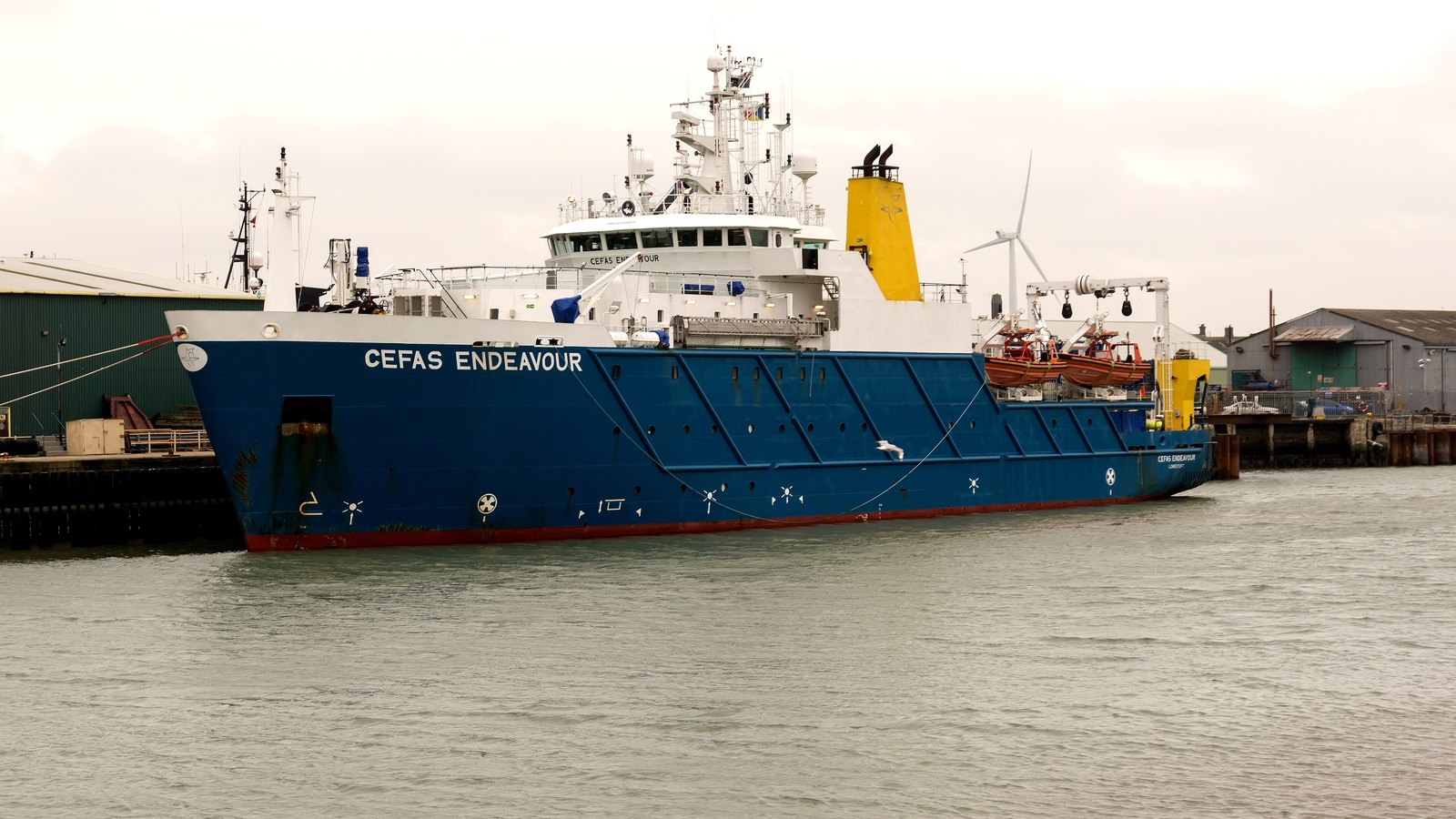
On 25 November 2026, the UK Marine Management Organisation announced that it has approved more than £10 million in grant awards across over 670 projects through the Fisheries and Seafood Scheme since reopening in April 2026, providing crucial co-financing for marine environmental research, fishing vessel decarbonisation, and commercial aquaculture developments across England following the release of the regulator’s recent marine research priorities.
Allocation of Funding Across Coastal Fleets and Supply Chains
The £10 million funding milestone marks a major distribution of public capital across England’s seafood, aquaculture, and marine conservation sectors since the Fisheries and Seafood Scheme (FaSS) reopened on 13 April 2026. Delivered by the Marine Management Organisation (MMO) on behalf of the Department for Environment, Food and Rural Affairs (Defra), the scheme draws from the Fishing and Coastal Growth Fund—a £304 million national investment envelope over 12 years, with approximately £132 million allocated through financial year 2030 to 2031.
Around 60% of approved applications have gone to England’s Small Scale Coastal Fleet (SSCF), comprising commercial fishing vessels 11.99 metres or less that do not use towed gear. Four key measures account for approximately 75% of all funding approved: vessel health and safety improvements, supply chain and landing infrastructure, product value and quality enhancements, and seafood processing facilities.
In September 2026, the MMO expanded FaSS to support energy-efficient vessel repowering. The grant covers 65% of costs for SSCF vessels installing compliant petrol or diesel engines, 50% for larger vessels, and 90% for electric or hybrid propulsion systems regardless of vessel size. The agency has already received 61 applications for new engines and gearbox upgrades.
Key Programme Details and Match Funding Tiers
FaSS provides up to £750,000 per applicant per annum for standard measures, with strategic collaborative initiatives scaling up to £4,000,000. Grantees receive funding retrospectively upon submitting evidence of defrayed expenditure. Applicants must provide verified match funding from cash reserves or commercial loans; non-cash assets and volunteer in-kind labour cannot satisfy match requirements, reflecting standard mandatory cost-sharing principles.
| Applicant Category or Intervention | Eligible Measure Code | Maximum Grant Rate (%) | Recipient Match Rate (%) | Funding Cap (£) |
|---|---|---|---|---|
| Small Scale Coastal Fleet (Vessels ≤ 11.99m, Untowed Gear) | M2, M16, M23 (Safety, Quality, Efficiency) | 80% | 20% | £750,000 per annum |
| Public Bodies, Universities, and Research Institutes | M11, M13, M15, M31 (Science, Biodiversity, FMPs) | 75% | 25% | £4,000,000 |
| Fishermen’s Associations and Producer Organisations (POs) | M17, M19, M25 (Advisory, Training, Cooperation) | 75% | 25% | £4,000,000 |
| Commercial Micro-Entities (< 10 Staff, ≤ €2M Turnover) | M3, M28, M34 (Aquaculture, Facilities, Processing) | 60% | 40% | £750,000 per annum |
| Small and Medium-Sized Enterprises (SMEs) | M3, M28, M34 (Aquaculture, Processing Infrastructure) | 50% | 50% | £750,000 per annum |
| Non-SME Commercial Enterprises (Large Industry) | M28, M34 (Supply Chain Logistics, Processing) | 30% | 70% | £750,000 per annum |
| Clean Marine Propulsion (Electric or Hybrid Engines) | M2 (Vessel Decarbonisation and Energy Efficiency) | 90% | 10% | £750,000 per annum |
| Conventional Engine Replacement (SSCF Petrol or Diesel) | M2 (Vessel Energy Efficiency and Modernisation) | 65% | 35% | £750,000 per annum |
Legislative Authority and Post-Brexit Regulatory Architecture
FaSS operates under statutory powers established by Section 33 of the Fisheries Act 2020, which authorizes domestic grant aid for fisheries, aquaculture, and marine conservation following the UK’s exit from the European Union Common Fisheries Policy and the European Maritime and Fisheries Fund.
The scheme aligns with coastal oversight conducted by England’s ten Inshore Fisheries and Conservation Authorities. The Association of IFCAs coordinates inshore fisheries protection and conservation byelaws out to six nautical miles, complementing findings in CASRAI’s analysis of evaluating marine protected area byelaws. Furthermore, industry authority Seafish has utilised FaSS funds to deliver national safety training and deploy emissions profiling tools across the seafood supply chain.
Sector Perspectives and Operational Feedback
Paul Errington, Director of Finance at the MMO, highlighted the strong coastal uptake: “From the start we wanted to provide more dedicated support for the Small Scale Coastal Fleet, and as we approach the end of the year it is encouraging to see so many applications approved and set to benefit this area. We have had a very high level of interest in the scheme. Funding is still available and if you have a project in mind, I encourage you to apply.”
Industry groups have welcomed the 80% co-financing rate for small-scale operators and the 90% hybrid propulsion grant as crucial buffers against high fuel expenses and equipment costs. However, trade representatives note that retrospective reimbursement requires applicants to finance purchases upfront, which can create cash-flow challenges for smaller operators. Conservation groups also emphasise that funded projects must not increase net fishing capacity, ensuring investments strictly align with statutory stock sustainability and nature recovery mandates.
Implications for University Marine Science Departments and Research Offices
For academic researchers in marine biology and fisheries science, Measure 31 (“Supporting partnerships between fishers and scientists”) offers up to £4,000,000 per project with a 75% grant rate. Eligible projects must address explicit evidence gaps identified in England’s Fisheries Management Plans (FMPs) and include written endorsement from commercial industry partners. Priority areas include selective gear trials, acoustic deterrence, and collaborative catch monitoring.
University research offices must prepare for rigorous compliance requirements. Research finance teams must bridge upfront project costs prior to retrospective MMO reimbursement. In addition, applications must satisfy a comprehensive grant application checklist, including three competitive supplier quotes for items over £5,000, three years of audited financial accounts, a detailed business case for projects of £50,000 or more, and formal letters of authority from all consortium partners.
Application Timelines and Upcoming Funding Deadlines
Projects requesting under £250,000 are reviewed continuously on a rolling basis by the MMO Grants Team via the online FaSS E-system. For large-scale capital investments and scientific consortia requesting £250,000 or more, applications are evaluated by a competitive funding round panel. The MMO has set the next competitive panel deadline for Friday, 15 January 2027.
Large-scale applicants must submit discounted cash flow forecasts and economic appraisals alongside their business cases. The MMO Grants Team provides direct application support via phone (0208 026 5539) and email ([email protected]). With substantial capital remaining in the £132 million five-year allocation through 2031, the scheme offers sustained opportunities for marine science partnerships and coastal fleet modernization.
Sources
- GOV.UK: Over £10 Million in Support Approved Since Fisheries and Seafood Scheme Reopened, checked 2026-11-28
- GOV.UK: Marine Management Organisation Corporate Information, checked 2026-11-28
- UK Legislation: Fisheries Act 2020, Section 33 Financial Assistance, checked 2026-11-28
- Association of Inshore Fisheries and Conservation Authorities: Fisheries and Seafood Scheme (FaSS) Applications Still Open, checked 2026-11-28
- Seafish: £1.4 Million Secured to Expand Seafood Industry Training, checked 2026-11-28






