
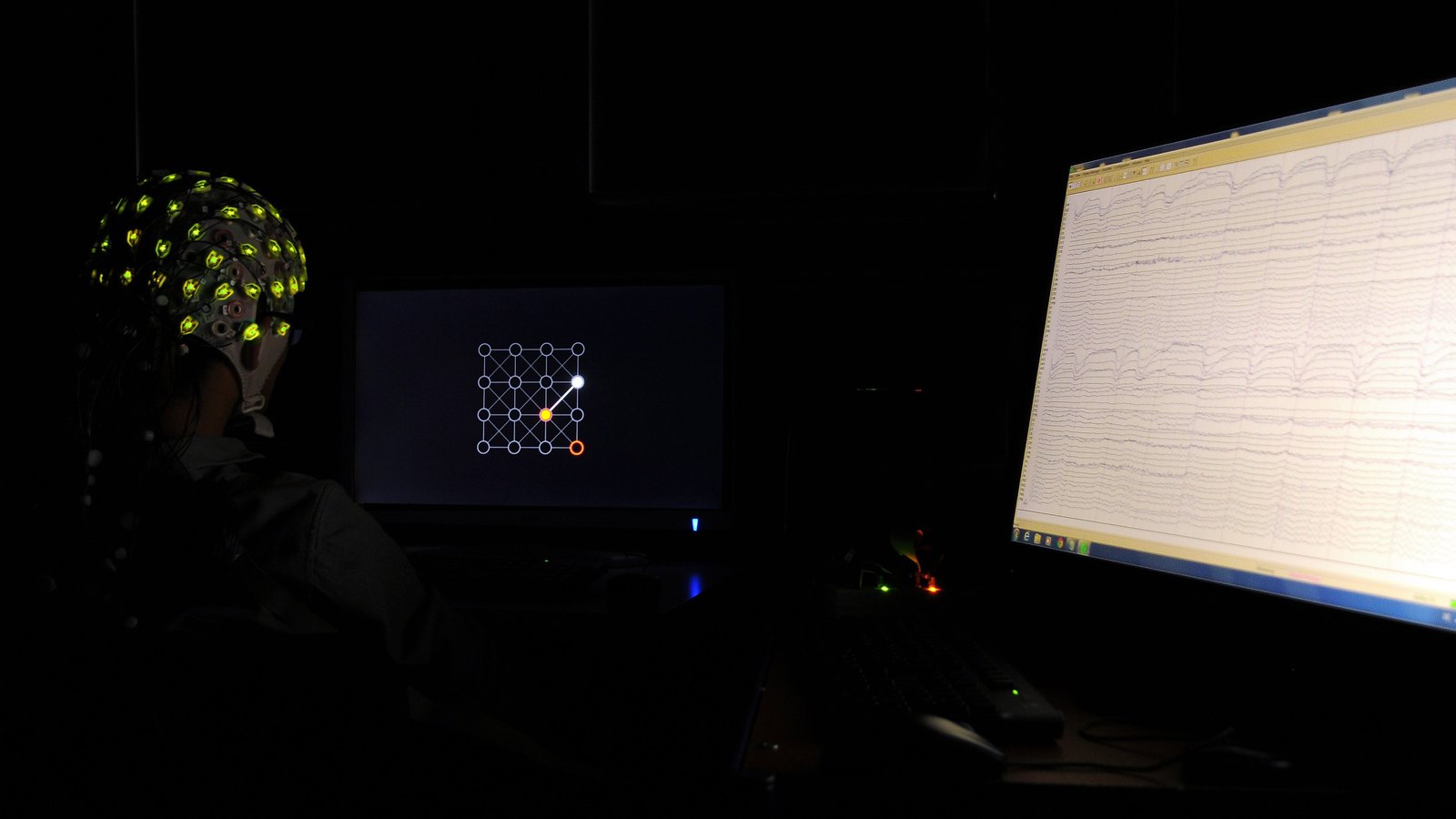
On November 25, 2026, Neuralink announced that it has received FDA approval to launch LINK, which it describes as the first pivotal trial of an implantable brain-computer interface in the United States. The study will test the company’s implant in adults with severe paralysis caused by amyotrophic lateral sclerosis (ALS), and enrollment is open. For research offices and institutional review boards, it marks a step from early feasibility work toward a trial designed to support a marketing application.
What happened
Neuralink posted the news on its updates page and on X on November 25. According to the company, the goal is to evaluate the safety and effectiveness of the Neuralink BCI system in people with severe paralysis due to ALS, with a focus on functional outcomes that improve independence in daily life. The company also says the study will assess the long-term safety and reliability of the system across multiple clinical sites.
The announcement says LINK builds on work with more than 30 participants to date. Engadget reported on November 26 that the FDA authorization was granted on an experimental basis and that the study will be open to a limited number of patients with ALS. Neuralink’s trial page for device control lists the study as recruiting adults living with ALS in the United States and says it looks at safety and at how well people can control digital devices with the N1 Implant.
Key details
| Item | What the sources state |
|---|---|
| Announced | November 25, 2026, by Neuralink |
| Study name | LINK pivotal study |
| Population | Adults with severe paralysis due to ALS (United States) |
| Device | N1 Implant, placed by the R1 surgical robot |
| Focus | Safety, effectiveness and functional outcomes that improve independence in daily life; long-term safety and reliability |
| Status | Enrollment open |
| Regulatory status of the device | Investigational; not approved for general medical use |
The approval covers the trial, not the sale of the device. Interesting Engineering reported that the FDA approval does not mean the implant has been approved for general medical use, and Neuralink’s trial pages describe its devices as investigational. The same report says the announcement did not give the planned number of participants or a breakdown of clinical sites, and that the program is expected to expand across multiple sites in the US.
Background and context
Neuralink’s earlier human work has been early feasibility research. Its updates page records the first human implant in January 2024 under the PRIME study, Health Canada approval of CAN-PRIME on November 20, 2024, the CONVOY feasibility trial for controlling an assistive robotic arm on November 24, 2024, and the launch of GB-PRIME across two sites in Great Britain on July 31, 2025. Interesting Engineering says early feasibility studies in the US, Canada and the UK have involved more than 30 implanted participants.
A pivotal study is the stage designed to generate the evidence a sponsor submits to a regulator for marketing authorization, which is why the label matters. The registry record that Neuralink links for its US work is a different study. ClinicalTrials.gov entry NCT07929792 describes an early feasibility study of the N1 System in spinal cord injury, ALS and chronic ischemic stroke, first submitted on October 28, 2026, with an estimated 10 participants and the University of Miami as a listed location. It is a separate study from LINK, and the trial pages Neuralink points to list no registry number for the pivotal study.
Brain-computer interfaces that read motor-cortex signals have a longer academic history; the casrai guide to BrainGate covers one of the best-known research programs, and our report on intracortical stimulation that restored touch shows the neighbouring field of sensory feedback.
Reaction
Neuralink’s announcement carries a statement from a participant. Engadget quotes Bradford Smith, described as the first ALS participant to communicate with brain signals, as saying that Neuralink has given him “freedom, hope, and faster communication.”
What it means for researchers, universities and research offices
For clinical research offices, the practical change is the status of the study. The N1 Implant remains an investigational device: Neuralink’s trial FAQ states that it is available only under an Investigational Device Exemption (see our entry on the IDE application). A pivotal study evaluates effectiveness as well as safety, so sites that consider joining should expect the monitoring, device accountability and adverse-event reporting duties that apply to a sponsor-led device study.
Institutions that host neurotechnology programs or recruit from ALS clinics should expect questions from patients about a trial that the company is promoting through its own patient registry. Because the sponsor has not published a site list, a participant target or detailed endpoints, any outside commentary on enrollment capacity or the size of the effect would be speculation; the endpoints that matter will become clear only through the protocol and registry record. Academic groups working on decoding methods, rehabilitation outcomes or ethics of implanted devices gain a registered pivotal comparison point once results appear, but nothing about outcomes has been reported.
Researchers who write about the study should keep two things separate: the FDA’s authorization to run the trial, which is the regulator’s decision to let it proceed, and any finding that the device works, which no source reports. Neuralink’s own wording on its trials page remains that its devices are investigational and have not been approved by the FDA.
What happens next
Enrollment for the LINK pivotal study is open now, through the Neuralink patient registry and the trial page. Interesting Engineering says the program is expected to expand across multiple US clinical sites. No results, enrollment target or completion date has been published in the sources above.
Medical review: this report was reviewed by physician Dr. Diana Nieves Castro, MD. It describes a clinical trial and general regulatory status only and is not medical advice or guidance for patients.
Sources
- Neuralink: Neuralink Receives FDA Approval to Launch LINK Pivotal Study, November 25, 2026
- Neuralink: Device-control clinical trial page, checked 2026-11-26
- Engadget: Neuralink receives FDA approval for ‘pivotal’ brain implant trial in ALS patients, November 26, 2026
- Interesting Engineering: Neuralink wins FDA approval for first pivotal brain-computer implant trial in the US, November 25, 2026
- ClinicalTrials.gov: NCT07929792, early feasibility study of a robotically implanted brain-computer interface, record updated 2026-11-12






