
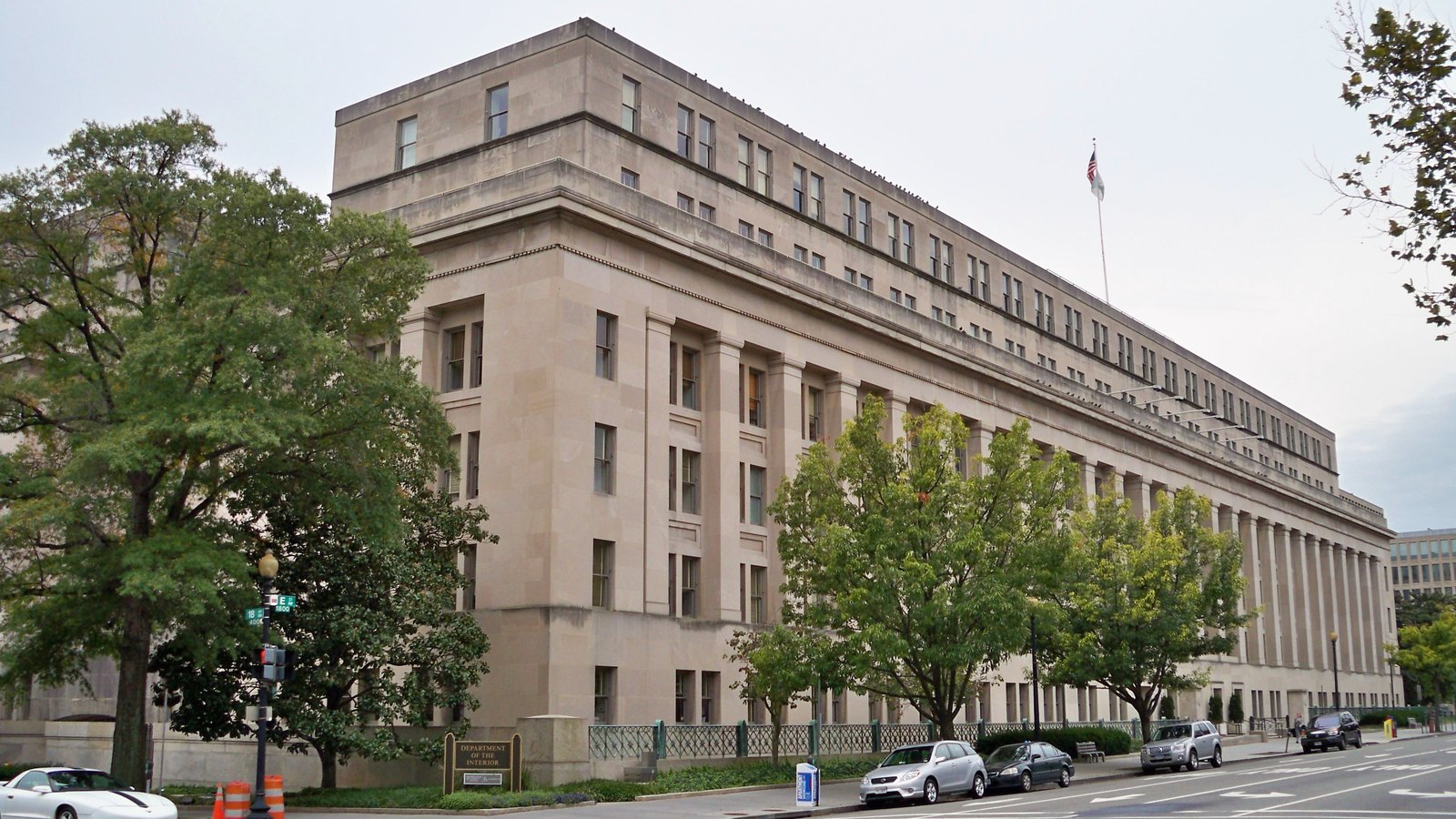
Following its recent procedural notices, the Office of Surface Mining Reclamation and Enforcement within the U.S. Department of the Interior officially submitted its information collection renewal for 30 CFR Part 705 to the Office of Management and Budget on November 27, 2026, enforcing strict statutory conflict-of-interest disclosures for 2,196 state regulators, geological survey scientists, and university researchers serving on state coal mining advisory boards.
What happened
In a formal notice scheduled for publication in the Federal Register on November 30, 2026 (FR Doc. 2026-24264, OMB Control No. 1029-0067), the Office of Surface Mining Reclamation and Enforcement (OSMRE) submitted an Information Collection Request to the Office of Management and Budget (OMB) for a three-year extension. The filing governs information collection under 30 CFR Part 705, which bars state regulatory personnel from holding direct or indirect financial interests in coal mining operations.
The federal submission follows an earlier regulatory notice covering related state program standards. Under the renewed package, state personnel exercising regulatory functions under the Surface Mining Control and Reclamation Act of 1977 (SMCRA), along with advisory board members, must file annual financial disclosures on Form OSM-23 across all 24 coal-producing primacy states.
Key details and compliance burden
OSMRE estimates that 2,196 state employees and multi-interest board members will file 4,415 responses annually. Reporting times range from 5 minutes for routine annual updates to 1 hour for detailed initial filings upon appointment. Total annual reporting burden across all states is estimated at 755 hours, with zero non-hour capital costs.
Form OSM-23 (State Employee Statement of Employment and Financial Interest) requires disclosure of employment, securities, real property, and creditor relationships. Personnel file with their State Regulatory Authority (SRA) ethics officer within 30 days of appointment and annually by February 1. SRA heads submit disclosures directly to the OSMRE Director.
| Parameter | Specification | Authority |
|---|---|---|
| Collection Title | 30 CFR Part 705 – Financial Interest Restrictions | OMB Control No. 1029-0067 |
| Statutory Mandate | SMCRA Section 517(g) | 30 U.S.C. § 1267(g) |
| Reporting Instrument | Form OSM-23 | 30 CFR § 705.17 |
| Annual Respondents | 2,196 state personnel and board members | FR Doc. 2026-24264 |
| Annual Responses | 4,415 filings and review actions | 30 CFR §§ 705.11, 705.13 |
| Total Burden Hours | 755 hours annually (5 min to 1 hour per filing) | 44 U.S.C. § 3501 et seq. |
| Non-Hour Cost | $0.00 | OSMRE ICR Budget |
| Comment Deadline | January 29, 2027 | 5 CFR § 1320.8(d) |
Statutory framework and financial interest restrictions
The statutory basis rests on Section 517(g) of SMCRA, codified at 30 U.S.C. § 1267(g), which prohibits regulatory staff from holding direct or indirect interests in underground or surface coal operations. Regulations in 30 CFR Part 705 establish enforceable compliance procedures for state authorities.
As documented in federal rules compiled by the Legal Information Institute at Cornell Law School, prohibited interests include land, coal rights, corporate securities, pensions, consulting contracts, and creditor relationships. Rules also apply family attribution, requiring disclosure of holdings by spouses, minor children, and resident relatives.
Knowing violations carry criminal penalties under Section 517(g) of up to $2,500 in fines, one year imprisonment, or both. In addition, 30 CFR § 705.6 establishes financial compliance as a condition of employment, subjecting noncompliant personnel to immediate dismissal.
Institutional perspective and regulatory enforcement
The Department of the Interior enforces departmental ethical standards through the Department of the Interior Ethics Program, while OSMRE monitors state oversight pursuant to OSMRE Laws and Regulations. Federal audits verify that state agencies maintain rigorous disclosure reviews without informal exemptions.
When a prohibited interest is identified, 30 CFR § 705.19 establishes a 90-day remedial window. Required remedies include asset divestiture, reassignment to non-SMCRA duties, or structural changes to board roles. Unresolved conflicts after 90 days must be referred to the OSMRE Director for enforcement. Under 30 CFR § 705.21, employees may appeal remedial orders within 30 days through state administrative procedures or to the Interior Conflict of Interest Appeals Board.
What it means for researchers, universities and state geological surveys
The renewed clearance directly affects academic geologists, hydrologists, and engineers who advise state regulatory bodies. In states such as Pennsylvania, Ohio, West Virginia, Kentucky, Illinois, and Indiana, state geological surveys operate within public research universities or maintain joint faculty appointments.
Under 30 CFR § 705.5 and § 705.11, the regulations establish distinct coverage thresholds for academic personnel. While university consultants who perform decisionmaking functions for a state regulatory authority are classified as covered employees, members of advisory boards established by state law to represent multiple interests are also explicitly required to file Form OSM-23 statements if they perform any statutory function under SMCRA. State authorities must maintain written lists of non-covered positions, ensuring transparency across departmental and university joint appointments.
For research offices, distinguishing between conflict of interest vs conflict of commitment is essential: Part 705 imposes absolute statutory bans on coal holdings regardless of academic commitments, reinforcing broader research integrity and compliance standards.
University sponsored project offices must also review faculty consulting retainers and corporate gifts. Industry arrangements that create prohibited financial interests disqualify researchers from state scientific panels. Implementing modern regulatory compliance software helps institutions track outside activities and enforce institutional conflict of interest standards before statutory violations occur.
What happens next
The notice initiates a 60-day public comment period ending January 29, 2027. Comments referencing OMB Control Number 1029-0067 may be submitted to Information Collection Clearance Officer William L. Frankel at OSMRE headquarters in Washington, D.C., or by email.
Following public review, OSMRE will finalize the submission for formal OMB clearance. State regulatory agencies will continue existing compliance cycles, requiring covered staff and advisory members to complete annual Form OSM-23 filings by February 1.
Sources
- Federal Register: Agency Information Collection Activities; 30 CFR Part 705-Restriction on Financial Interests of State Employees, checked 2026-11-28
- GovInfo: 30 U.S. Code § 1267 – Inspections and Monitoring, checked 2026-11-28
- eCFR: 30 CFR Part 705 — Restriction on Financial Interests of State Employees, checked 2026-11-28
- Legal Information Institute: 30 CFR Part 705 – Restriction on Financial Interests of State Employees, checked 2026-11-28
- Office of Surface Mining Reclamation and Enforcement: Laws & Regulations, checked 2026-11-28
- U.S. Department of the Interior: Ethics Program and Integrity Standards, checked 2026-11-28






