
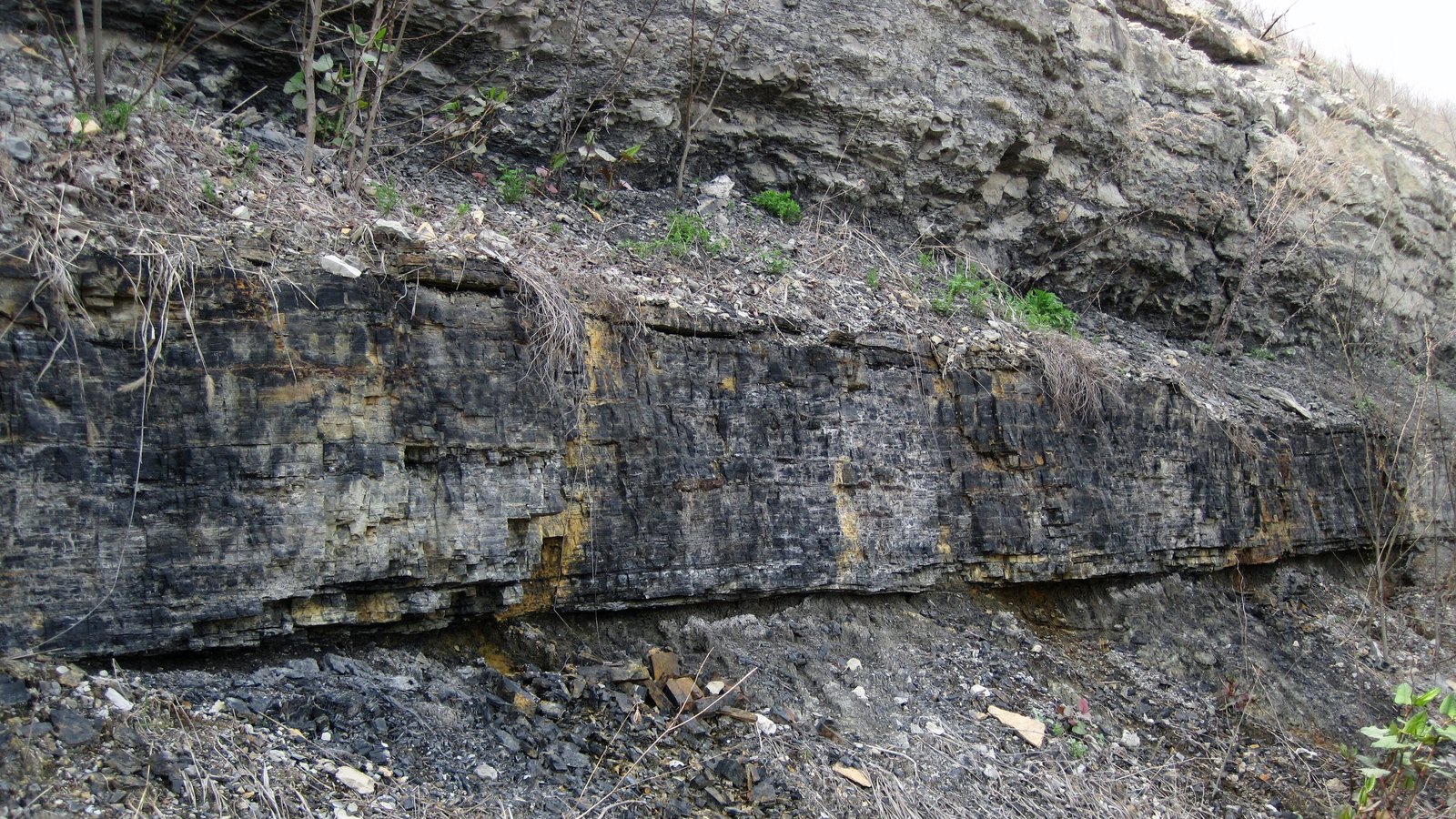
Following earlier disclosures covered in earlier reporting on state ethics, the Office of Surface Mining Reclamation and Enforcement filed a notice on November 27, 2026, submitting 30 CFR Part 764 unsuitability petition and spatial database rules for review in a Federal Register public inspection filing. The renewal establishes 2,500 annual burden hours for scientific evaluations that university geologists, hydrologists, and legal clinics supply.
Office of Surface Mining Reclamation and Enforcement Submits Information Collection Renewal
On November 27, 2026, the Department of the Interior’s Office of Surface Mining Reclamation and Enforcement (OSMRE) submitted an Information Collection Request renewal to the Office of Management and Budget (OMB) under OMB Control Number 1029-0030. Designated as Federal Register Document 2026-24282 and scheduled for formal publication on November 30, 2026, the action renews the core procedural and evidentiary standards governing state unsuitability programs.
The regulations at 30 CFR Part 764 govern state processes for designating land areas as unsuitable for all or certain types of surface coal mining operations, as well as procedures for terminating existing designations. The collection enforces Section 522 of the Surface Mining Control and Reclamation Act of 1977 (SMCRA), directing states with regulatory primacy to maintain administrative mechanisms where affected parties can petition for land protection based on verified scientific evidence.
According to the filing by William L. Frankel, OSMRE Information Collection Clearance Officer, the collection provides the formal administrative channel through which affected parties petition state authorities. State regulators rely on this structured evidence to evaluate environmental risks, conduct public hearings, issue written determinations, and maintain comprehensive spatial data inventories across coal-bearing regions.
Petition Burdens, Spatial Data Mandates, and Statutory Criteria
The ICR renewal details administrative and analytical workloads distributed across private-sector petitioners and state regulatory authorities. OSMRE projects an annual baseline of two respondents generating five responses, accumulating an estimated 2,500 total annual burden hours. Individual completion times range from 70 hours for basic petition processing to 1,200 hours for comprehensive technical investigations, geospatial modeling, and adjudicative determinations.
To qualify for formal review under state regulations aligned with the electronic Code of Federal Regulations standards for Part 764, petitions must present verified factual allegations supported by objective scientific methodologies. Petitions must delineate explicit geographic boundaries and demonstrate that prospective surface mining meets mandatory or discretionary statutory criteria.
| Metric or Provision | Regulatory Standard | Administrative and Scientific Impact |
|---|---|---|
| OMB Control Number | 1029-0030 (30 CFR Part 764) | Establishes three-year information collection authority for state petition processing |
| Annual Burden Hours | 2,500 hours across 5 responses | Reflects technical evaluations ranging from 70 to 1,200 hours per action |
| Annual Non-Hour Cost | $455 estimated expenditure | Covers direct administrative expenses including certified mailings and legal notices |
| Mandatory Standard | SMCRA Section 522(a)(2) | Mandates unsuitability designation if reclamation is not technologically feasible |
| Discretionary Fragile Lands | 30 CFR 764.11 / SMCRA 522(a)(3)(B) | Protects fragile ecological habitats, cultural resources, and scientific study sites |
| Discretionary Water & Hazard Lands | SMCRA Section 522(a)(3)(C)–(D) | Safeguards aquifers, recharge zones, agricultural soils, and flood-prone valleys |
| Spatial Database Obligation | 30 CFR 764.21 / SMCRA 522(a)(4)(B) | Requires automated GIS inventories of natural, cultural, and mineral assets |
A central requirement of Part 764 is the ongoing state obligation to maintain automated spatial databases. State regulatory authorities must operate computerized geographic information systems (GIS) cross-referencing coal reserves with sensitive environmental assets, cultural landmarks, water supplies, and natural hazard zones. When unsuitability petitions are filed, these automated inventories serve as the baseline against which allegations are evaluated.
Legislative Foundations in SMCRA Section 522 and Regulatory Evolution
The legal foundation of Part 764 derives from 30 U.S. Code Section 1272, enacted as Section 522 of SMCRA in 1977. Congress recognized that certain landscapes possess ecological, scientific, or hydrological values so vulnerable that mining would inflict permanent damage. Congress established dual unsuitability standards governing both federal lands and state-delegated programs.
Under the mandatory standard of Section 522(a)(2), a regulatory authority must designate an area as unsuitable if competent technical analysis shows reclamation is not technologically or economically feasible. In contrast, Section 522(a)(3) provides discretionary authority where operations would conflict with land use plans, harm fragile lands, diminish long-term water or food productivity, or heighten natural hazards such as landslides and severe flooding.
These standards have established enduring partnerships between state regulators and academic researchers. By mandating comprehensive environmental inventories, the statute bridges field research with administrative land-use determinations.
Public Participation History and Environmental Data Considerations
The current submission completes the administrative sequence required by the Paperwork Reduction Act. OSMRE initially published a 60-day notice on August 14, 2026, in Volume 91 of the Federal Register at page 52711, receiving zero public comments during that window before forwarding the collection to OMB’s Office of Information and Regulatory Affairs.
The absence of preliminary comments reflects the specialized technical nature of Part 764 proceedings. Formal petitions occur infrequently because they demand extensive scientific resources, often assembling years of peer-reviewed hydrogeological testing, acid-base accounting, and ecological surveying. In the renewal notice, OSMRE invites comment on whether the collection maintains practical utility, the accuracy of estimated burden hours, and ways to improve electronic submissions.
Implications for Academic Geoscientists, GIS Labs, and Environmental Law Clinics
For higher education institutions and research offices, 30 CFR Part 764 carries direct operational relevance. University researchers in geology, geomorphology, and environmental engineering regularly provide the empirical data required for unsuitability petitions. When mining threatens sensitive watersheds, academic labs quantify projected environmental impact to determine whether aquifer degradation would be irreversible.
University environmental law clinics frequently represent citizen petitioners in compiling formal administrative records. To withstand rigorous state review, clinical teams must ensure hydrological models and geospatial layers follow rigorous data provenance protocols, utilizing systems comparable to a Scientific Data Management System (SDMS) during adjudicative hearings.
In addition, state authorities often partner with university geological surveys to maintain the spatial databases mandated by Section 764.21. These funded partnerships require strict fiscal and data compliance under the OMB Compliance Supplement. Researchers navigating public science advocacy benefit from understanding the formal procedures of regulatory affairs to ensure academic findings successfully inform binding regulatory decisions.
Federal Register Publication Schedule and Comment Deadlines
Following the public inspection filing on November 27, 2026, the official notice appears in the Federal Register on Monday, November 30, 2026. This publication opens a 30-day public comment period ending on Wednesday, December 30, 2026.
Public comments regarding OMB Control Number 1029-0030 must be submitted electronically via OIRA Information Collection Review. Commenters are requested to copy William Frankel at OSMRE via email or postal mail. OMB will review all public feedback before issuing a final clearance decision.
Sources
- Federal Register: Agency Information Collection Activities; Proposals, Submissions, and Approvals: State Processes for Designating Areas Unsuitable for Surface Coal Mining Operations, checked 2026-11-28
- Legal Information Institute: 30 CFR Part 764 – State Processes for Designating Areas Unsuitable for Surface Coal Mining Operations, checked 2026-11-28
- Legal Information Institute: 30 U.S. Code § 1272 – Designating areas unsuitable for surface coal mining, checked 2026-11-28
- Electronic Code of Federal Regulations: 30 CFR Part 764 – State Processes for Designating Areas Unsuitable for Surface Coal Mining Operations, checked 2026-11-28
- Office of Information and Regulatory Affairs: Information Collection Review, checked 2026-11-28






