
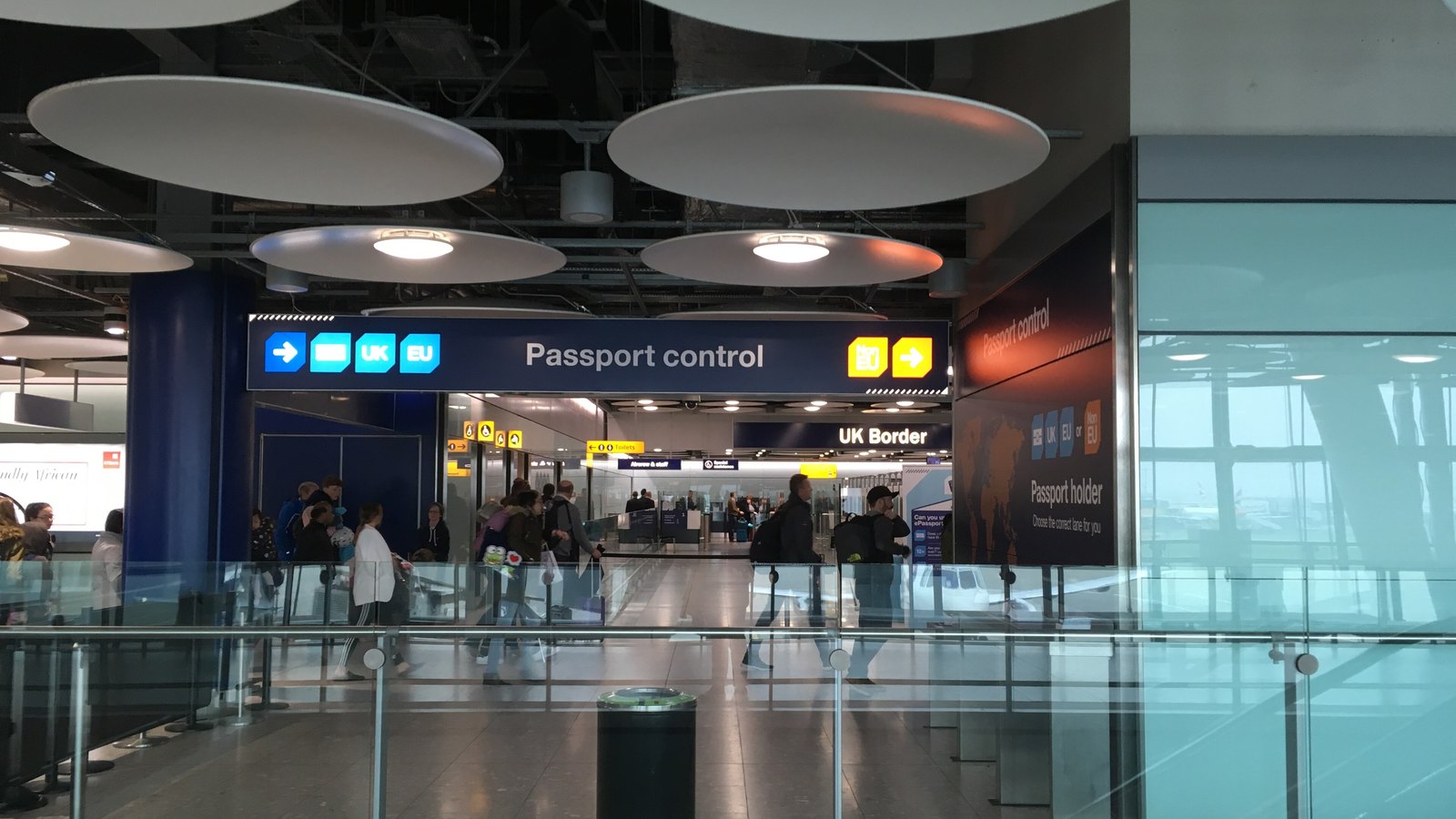
On November 27, 2026, UK Visas and Immigration (UKVI) updated its statutory register of licensed student sponsors alongside national worker registries across the United Kingdom, establishing the institutional baselines for issuing Confirmation of Acceptance for Studies and skilled employment sponsorships amid heightened scrutiny of university compliance metrics and research security protocols.
Home Office Releases Updated Student and Worker Sponsor Registers
The statutory registers published by UK Visas and Immigration determine which educational institutions and corporate bodies may legally sponsor overseas students, academic researchers, and technical specialists. Under statutory immigration frameworks, higher education providers must hold an active Student Sponsor licence with a verified compliance record to issue Confirmation of Acceptance for Studies (CAS) records, enabling overseas candidates to secure Student route entry clearance or permission to stay.
Alongside the student database, the Home Office updated its parallel register of licensed worker sponsors, which catalogues organisations authorised to issue Certificates of Sponsorship (CoS) across the Skilled Worker, Global Talent endorsement, and Government Authorised Exchange streams. For universities, independent research institutes, and technology spinouts, holding dual eligibility across both registers is necessary to employ international researchers, post-doctoral fellows, and visiting faculty.
Guidance from the UK Council for International Student Affairs confirms that sponsor register status determines whether an institution can offer degree-level courses, register students for accredited work placements, or permit postgraduate extensions. Any formal sanction or licence downgrade immediately curtails an institution’s capacity to recruit international talent.
Sponsor Compliance Metrics, Licence Tiers, and Visa Caseload Trends
Maintaining an active licence on the Student Sponsor register requires institutions to pass the annual Basic Compliance Assessment (BCA). The Home Office evaluates sponsors against three core benchmarks: maintaining a visa refusal rate strictly below 10 percent for issued CAS records, achieving a course completion rate of at least 85 percent, and verifying an enrolment rate of at least 90 percent. Breaching any threshold risks an immediate compliance investigation, CAS quota limits, or licence revocation.
The updated registers coincide with rising refusal rates across student applications. Official Home Office data analysed by The PIE News shows that the rolling refusal rate for UK sponsored study visas climbed to 6.4 percent in the year ending September 2026. This is the highest rolling refusal level recorded since 2015, up from 3.1 percent in 2025. Excluding Chinese applicants, the rolling refusal rate reached 8.2 percent.
Concurrently, application withdrawals surged during the autumn intake. In the third quarter of 2026, 3,682 study visa applications were withdrawn prior to decision, a 370 percent increase on the 779 withdrawals in the same quarter of 2025. This increase followed intensified UKVI scrutiny, including credibility interviews where 79 percent of 11,415 students interviewed between May and October 2026 were deemed non-credible.
| Compliance Metric or Caseload Indicator | Statutory Standard or Observed Level | Impact on Higher Education Providers |
|---|---|---|
| BCA Refusal Ceiling | Maximum 10.0% visa refusal rate | Exceeding threshold risks licence downgrade, CAS quota restriction, or suspension |
| BCA Minimum Completion Rate | Minimum 85.0% completion rate | Requires continuous tracking of student academic engagement and progression |
| BCA Minimum Enrolment Rate | Minimum 90.0% enrolment rate | Requires verification that students with issued CAS records commence study |
| National Study Visa Refusal Rate | 6.4% rolling average (8.2% non-China) | Narrows compliance safety margins for universities approaching the 10% ceiling |
| Q3 Peak Recruitment Withdrawals | 3,682 applications (up 370% year-on-year) | Signals candidate self-withdrawals amid heightened credibility interviews |
| Credibility Interview Failure Rate | 79% judged non-credible (11,415 cases) | Increases refusal exposure and dampens international student onboarding |
Policy Evolution and Shifting International Recruitment Rules
The operating environment for UK visa sponsors reflects cumulative immigration rule changes enacted since 2024. A major factor driving reduced recruitment volumes was the restriction prohibiting most postgraduate taught students from bringing dependants to the UK, limiting family accompaniment rights exclusively to postgraduate research and government-funded programmes.
Reporting from Research Professional News indicates that total study visas issued in the year ending September 2026 fell to 335,800. This represents a 23 percent drop year-on-year and a 49 percent decrease from peak volumes in 2023. Visas granted to main applicants declined by 23 percent to 322,300, while dependant visas fell by 33 percent to 13,500. Additionally, Office for National Statistics data showed net migration dropped to 77,000 in the year to June 2026, driven by lower student arrivals and higher departures among international graduates.
These systemic declines have prompted universities to prioritise compliance risk management. Because visa refusals directly threaten BCA standing, institutions have instituted pre-CAS interviews, strict financial evidence reviews, and enhanced credential checks to prevent unviable applications.
Higher Education Sector and University Stakeholder Reactions
Tighter sponsor compliance and declining visa volumes have drawn concern from higher education leaders. The Russell Group, representing 24 research-intensive UK universities, warned that shifting immigration policies, rising visa fees, and aggressive enforcement threaten institutional financial stability and scientific research. Sector representatives noted that international student fee income provides essential funding for laboratory infrastructure and STEM education that operate at substantial deficits under domestic funding models.
Admissions leaders also highlighted operational challenges associated with UKVI credibility interviews. Commentators noted that subjective interview assessments create uncertainty for applicants, encouraging candidates to choose alternative academic destinations in Australia, Canada, or Europe. University compliance administrators added that sudden applicant withdrawals complicate academic planning and course scheduling.
Operational Impact on Universities, Laboratories, and Research Offices
The updated registers and rigorous compliance rules impose significant governance responsibilities on university registries and research offices. Institutions must maintain verified audit trails for sponsored students and workers, linking student record systems directly to the Home Office Sponsor Management System (SMS).
In scientific research environments, immigration compliance intersects with national security mandates. When recruiting doctoral students or postdoctoral fellows in sensitive disciplines, institutions must integrate visa workflows with institutional research security safeguards. For research involving sensitive technologies, sponsors must verify that candidates hold valid Academic Technology Approval Scheme (ATAS) certificates. The appointed research security officer collaborates with registry teams to screen candidates working on dual-use projects, including research subject to export control AI provisions and advanced computing governance.
This dual vetting aligns institutional compliance with international technology transfer safeguards, mirroring standards under the Export Control Reform Act across international partnerships. Compliance teams must also ensure that researcher hiring under the Worker register meets revised Skilled Worker salary thresholds and occupational codes before issuing sponsorship certificates.
Upcoming Compliance Milestones and Reporting Timelines
Higher education providers and research organisations face recurring statutory deadlines under Home Office rules. Sponsors must adhere to 10-day reporting windows through the SMS, notifying UKVI whenever a sponsored individual fails to enrol, discontinues study, or incurs unauthorised absences. Similarly, changes to an academic worker’s salary, location, or core duties must be reported promptly.
Throughout 2027, UKVI will maintain periodic register updates alongside rolling BCA reviews. Institutions facing renewal in early 2027 must audit internal records to confirm that their rolling refusal rates remain safely beneath the 10 percent limit. At the same time, universities will continue monitoring prospective adjustments to the Graduate route, ensuring their recruitment and compliance systems adapt to policy revisions.
Sources
- UK Visas and Immigration: Register of licensed sponsors: students, checked 2026-11-28
- UK Visas and Immigration: Register of licensed sponsors: workers, checked 2026-11-28
- UK Council for International Student Affairs: Student route: eligibility and requirements, checked 2026-11-28
- The PIE News: UK study visa refusals hit highest rate in over a decade as withdrawals soar, checked 2026-11-28
- Research Professional News: Student visa decline ‘damaging universities and economy’, checked 2026-11-28






