
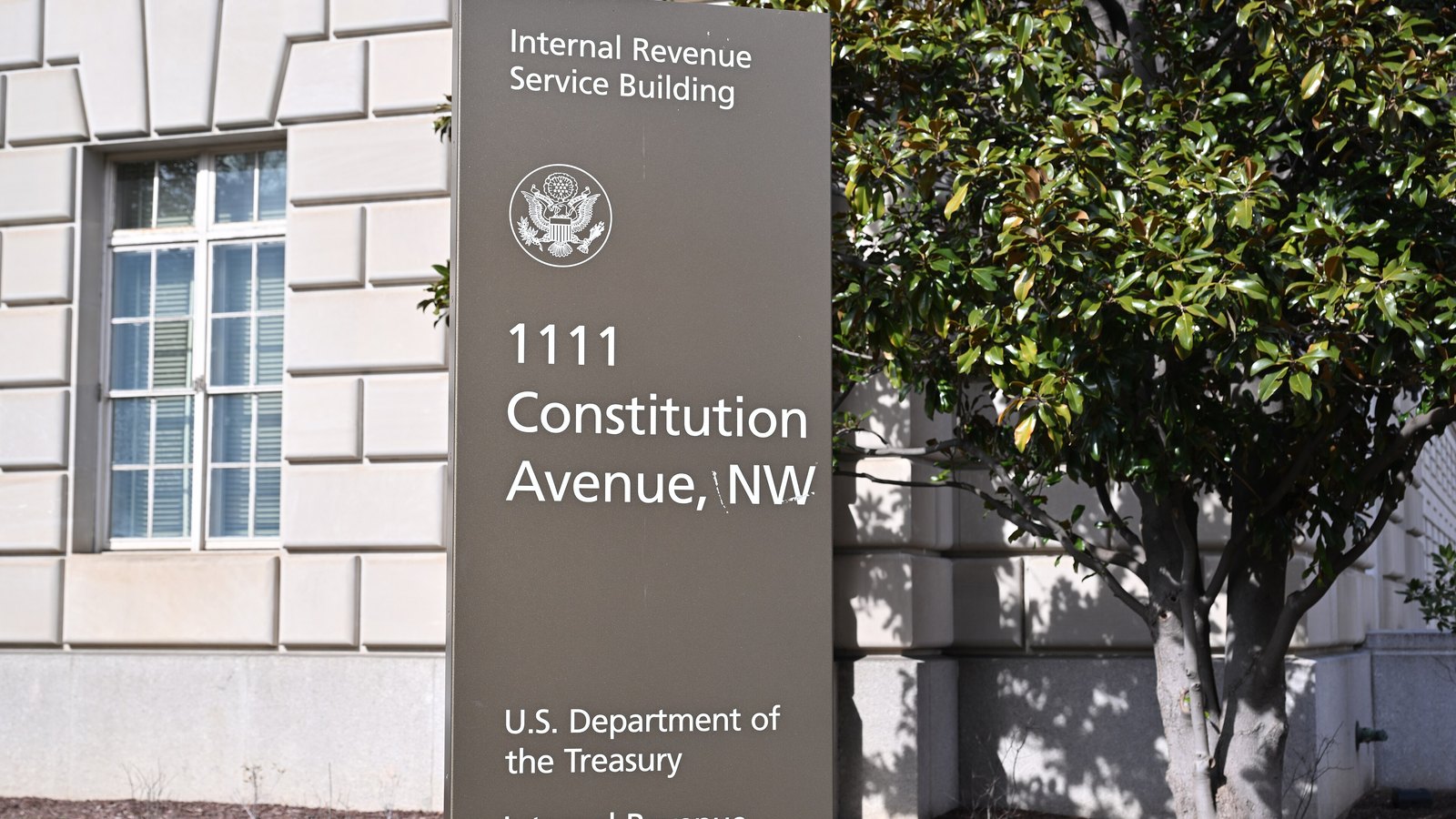
On November 27, 2026, the Internal Revenue Service opened a 60-day public comment period on its standardized civil rights complaint reporting process for federally assisted programs, establishing formalized reporting pathways for alleged discrimination across university-operated legal clinics, taxpayer assistance centres, and Treasury-funded academic partnerships.
Federal Register Notice on IRS Civil Rights Intake Procedures
The U.S. Department of the Treasury and the Internal Revenue Service initiated an agency information collection review under the Paperwork Reduction Act of 1995, inviting public comment on its complaint intake instrument in Federal Register notice 2026-24133. Signed by IRS Tax Analyst Kerry Dennis on November 24, 2026, and published at 91 FR 76880, the notice requests Office of Management and Budget approval for a new information collection under OMB Control Number 1545-XXXX. The submission establishes Form 14652 (Civil Rights Complaint) as the standardized administrative tool for the public to report discrimination encountered in IRS-conducted activities or federally assisted grantee operations.
The notice initiates a 60-day review to evaluate whether the collection is necessary for agency functions, assess the accuracy of estimated burden hours, and identify methods to minimize compliance friction. The complaint procedure encompasses discrimination alleged against IRS personnel, grantees, subrecipients, contractors, and subcontractors, with public comments due by January 26, 2027.
Key Terms, Information Collection Specs, and Response Burden
Form 14652 provides a standardized format to document alleged civil rights violations across IRS-funded activities. While complainants may submit unformatted letters, the form systematically captures incident dates, locations, assisting organizations, involved personnel, protected class grounds, and specific remedies requested. The IRS published the following baseline burden estimates for the collection:
| Regulatory Specification | Agency Filing Detail | Administrative Scope |
|---|---|---|
| Form Identification | IRS Form 14652 (Civil Rights Complaint) | Standardized complaint intake instrument |
| OMB Control Status | OMB Control No. 1545-XXXX (New Collection) | Three-year clearance request under PRA |
| Federal Register Docket | 91 FR 76880 (Document 2026-24133) | Notice of Information Collection |
| Affected Public | Individuals and program beneficiaries | Participants in assisted activities |
| Annual Respondent Volume | 40 respondents | Projected annual complaint filings |
| Estimated Time per Response | 25 minutes | Form completion and narrative drafting |
| Annual Burden Hours | 200 hours | Aggregate respondent reporting time |
| Public Comment Window | 60 days (closes January 26, 2027) | Pre-submission OMB clearance phase |
The reporting instrument also covers alleged retaliation against individuals who assert civil rights protections. Participating organizations must align their grievance records with 2 CFR 200 Subpart D post-award requirements governing internal controls and federal award compliance.
Statutory Framework and External Civil Rights Enforcement History
Treasury enforcement across federally assisted programs rests on federal civil rights statutes prohibiting discrimination in federally funded activities. Central to this mandate is Title VI of the Civil Rights Act of 1964, prohibiting discrimination based on race, color, or national origin. This authority operates alongside Title IX of the Education Amendments of 1972, Section 504 of the Rehabilitation Act of 1973, and the Age Discrimination Act of 1975.
Departmental rules governing Treasury-assisted programs are codified at 31 CFR Part 22, obligating grant recipients to provide compliance assurances, permit record reviews, and cooperate with federal investigations. The IRS Civil Rights Unit, within Equity, Diversity and Inclusion Operations, monitors external grantee adherence.
Historically, the IRS provided informal grievance instructions through compliance pages on protecting taxpayer civil rights. Establishing an OMB-approved form standardizes data intake under the Paperwork Reduction Act and aligns tax clinic governance with 2 CFR 200 Subpart B general provisions.
Agency and Higher Education Stakeholder Perspectives
The IRS emphasized an uncompromising standard in its filing abstract, stating that under no circumstances will the agency tolerate discrimination by employees, grantees, contractors, or subcontractors. Agency officials noted that a formal intake mechanism reduces jurisdictional ambiguity and accelerates investigative reviews.
In higher education, clinical legal educators who direct university tax clinics noted that a standardized form helps distinguish substantive tax disputes from actionable civil rights claims. Faculty supervisors emphasized that clear complaint channels protect low-income taxpayers, non-English speakers, and vulnerable clinic clients.
Legal scholars analyzing civil rights compliance across university legal clinics, including scholarship in the Harvard Civil Rights-Civil Liberties Law Review, observed that standardized federal intake forms lower institutional barriers for marginalized populations, provided agencies supply accessible formats and multilingual translations.
Compliance and Governance Impacts for University Tax Clinics and Research Offices
The notice directly affects academic institutions operating IRS-supported clinical and public service programs. Universities frequently host Low Income Taxpayer Clinics under Internal Revenue Code Section 7526, alongside Volunteer Income Tax Assistance and Tax Counseling for the Elderly partnerships housed within law schools and business faculties.
Because these initiatives constitute federally assisted programs, university sponsored project offices and clinical directors must maintain rigorous civil rights controls, including:
- Notice Display: Clinics must display IRS Publication 4053 (Your Civil Rights Are Protected) across intake areas and client portals, providing clear guidance on accessing Form 14652.
- Accessibility and Language Access: Facilities must maintain physical and electronic access under Section 504 and provide language assistance for Limited English Proficiency clients under Title VI.
- Institutional Grievance Coordination: Research offices and clinic heads must coordinate with central university Title VI and Title IX coordinators to review grievances and conduct prompt internal inquiries.
- Resource Allocation: Costs for certified translation and accessible technology must be budgeted in compliance with 2 CFR 200.308 budget revisions and federal cost standards.
University counsel and compliance officers should review the information request to confirm that the reporting structure provides sufficient clarity for institutions to respond effectively to forwarded inquiries.
Administrative Timeline and Public Comment Submission Channels
The comment window for Federal Register notice 2026-24133 closes on January 26, 2027. Written comments by mail must be sent to Andres Garcia, Internal Revenue Service, Room 6526, 1111 Constitution Avenue NW, Washington, DC 20224. Electronic submissions must be directed to [email protected] with OMB Control No. 1545-NEW Civil Rights Complaint in the subject line. Technical inquiries may be directed to IRS Tax Analyst Kerry Dennis at (202) 317-5751.
Following the public comment period, the IRS will review feedback and submit a final information collection request to OMB for formal clearance. Upon OMB approval, Form 14652 will become the official intake standard across all IRS federally assisted grant programs.
Sources
- Federal Register: Agency Information Collection Activities; Comment Request on Form To Submit Civil Rights Complaint, checked 2026-11-28
- Internal Revenue Service: Protecting Taxpayer Civil Rights, checked 2026-11-28
- Electronic Code of Federal Regulations: 31 CFR Part 22 — Nondiscrimination on the Basis of Race, Color, or National Origin in Programs or Activities Receiving Federal Financial Assistance from the Department of the Treasury, checked 2026-11-28
- U.S. Department of Justice: Title VI of the Civil Rights Act of 1964, checked 2026-11-28






