
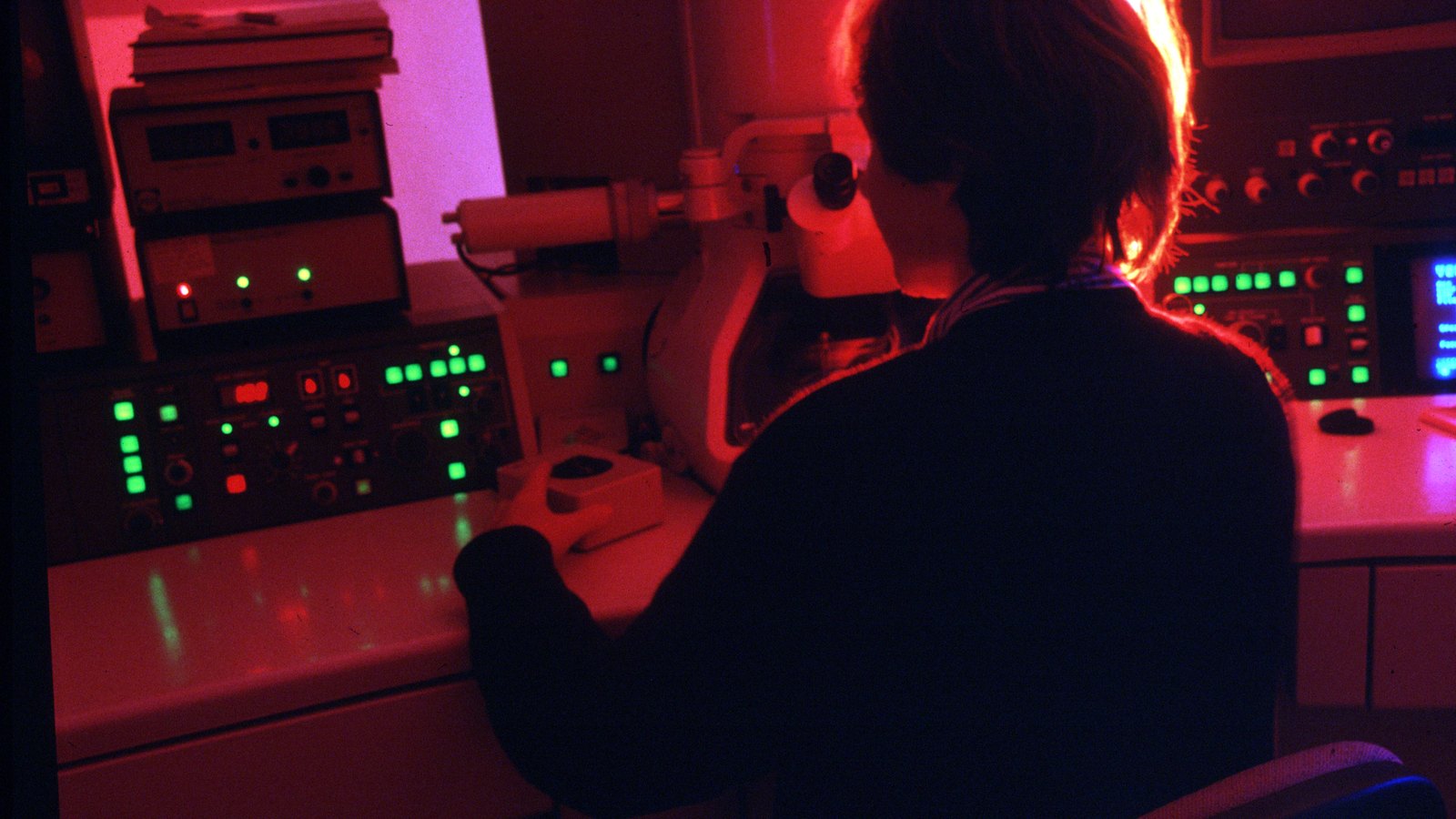
The University of Texas Health Science Center at San Antonio has expanded its biomedical research enterprise following the announcement on November 23, 2026, of a $2 million recruitment award from the Cancer Prevention and Research Institute of Texas to establish an artificial intelligence-enabled cancer structural biology laboratory.
State Cancer Agency Backs AI-Enabled Structural Biology
The Joe R. and Teresa Lozano Long School of Medicine at The University of Texas Health Science Center at San Antonio (UT Health San Antonio) has officially announced the faculty appointment and research program launch of structural biologist K. Ian White, PhD. Dr. White joined the faculty as an assistant professor holding joint appointments in the Department of Biochemistry and Structural Biology and the Department of Pharmacology, supported by a $2 million First-Time, Tenure-Track Faculty Members award from the Cancer Prevention and Research Institute of Texas (CPRIT).
Dr. White, a Texas native, completed postdoctoral training at Stanford University in the laboratory of Howard Hughes Medical Institute (HHMI) Investigator Axel Brunger, PhD, supported by a fellowship from the Helen Whitney Foundation. At UT Health San Antonio, White conducts research under the mentorship of HHMI Investigator Reuben S. Harris, PhD, chair of the Department of Biochemistry and Structural Biology. The new laboratory combines cryogenic electron microscopy, computational biophysics, and machine learning to investigate how electrical potential shifts in cancer-cell membranes influence receptor conformation and oncogenic signaling.
Grant Structure, Recruitment Scope, and Facility Commitments
The $2 million award was approved under the official CPRIT grant allocation RR260134. The recruitment mechanism provides foundational startup capital supporting specialized instrumentation, computational infrastructure, and personnel. The award formed part of an overarching statewide funding round approved on August 19, 2026, by the CPRIT Oversight Committee totaling more than $35 million across Texas academic institutions, within which UT Health San Antonio secured $6 million in recruitment grants.
| Dimension | Program Specification | Institutional Impact |
|---|---|---|
| Award Mechanism | CPRIT Recruitment of First-Time, Tenure-Track Faculty Members (Grant ID RR260134) | $2,000,000 in dedicated startup and instrumentation funding |
| Authorizing Body | CPRIT Oversight Committee | Statewide slate exceeding $35 million approved August 19, 2026 |
| Appointed Investigator | K. Ian White, PhD (postdoctoral training at Stanford University) | Dual Assistant Professor, Biochemistry and Structural Biology and Pharmacology |
| Research Focus | Bioelectric membrane properties, M3R, EGFR, and K-RAS | AI-guided therapeutic targeting of colorectal cancer signaling complexes |
| Core Facilities | Structural Biology Core and Center for Innovative Drug Discovery (CIDD) | High-resolution cryo-EM facilities and high-throughput screening resources |
| Cumulative Support | $6 million in recruitment funding during the August 2026 cycle | Nearly $192 million in total CPRIT grants awarded to the institution since 2010 |
The White laboratory focuses specifically on transmembrane electrical charge depletion in colorectal cancer cells. In malignant cells, reduced membrane voltage alters surface signaling proteins, notably the muscarinic acetylcholine receptor M3 (M3R) and the epidermal growth factor receptor (EGFR). Using machine learning structural models and human cell assays, the program aims to map these altered receptor states and uncover actionable vulnerabilities for small-molecule drug design.
Institutional Context and Texas Cancer Research Infrastructure
State-funded recruitment awards have become vital instruments for Texas research universities competing against national peers. In reporting on the recruitment, science outlet Bioengineer.org reported on the appointment, noting that CPRIT’s dedicated recruitment programs provide the critical resources needed to draw top postdoctoral talent into permanent tenure-track positions.
Created by a state constitutional amendment in 2007 and reauthorized by voters in 2019 with an additional $3 billion to reach $6 billion in total bond authorization, CPRIT functions similarly to state-level biomedical research grant programs elsewhere in the nation. Since 2010, UT Health San Antonio has received nearly $192 million in CPRIT awards, contributing to its standing as the third-highest medical school in Texas for institutional research funding benchmarks awarded by the National Institutes of Health.
The appointment also aligns with statewide computational science investments. As highlighted in TAMEST member news briefs, the CPRIT Oversight Committee recently created the CPRIT Advisory Committee on Artificial Intelligence (ACAI) to establish governance standards for integrating machine learning into preclinical cancer discovery across Texas academic health centers.
Scientific Leadership and Faculty Reactions
Institutional leaders and department chairs emphasized the strategic advantage of anchoring computational biology within established core facilities. Dr. White noted the importance of the institution’s specialized infrastructure:
“When I visited UT San Antonio’s Health Science Center campus, I was impressed by both the existing research programs and the potential for growth in the basic sciences,” White said. “Additionally, resources such as the Structural Biology Core and the Center for Innovative Drug Discovery are world-class facilities and will be tremendous resources for my lab. Having that range of expertise and infrastructure in one place, here at UT San Antonio, creates opportunities that would be difficult to replicate elsewhere.”
Jennifer Sharpe Potter, PhD, MPH, senior executive vice president for research and innovation at UT San Antonio, underscored the broader translational and educational impact of the recruitment:
“We are grateful to CPRIT for its continued investment in recruiting exceptional investigators to Texas and to UT San Antonio,” Potter said. “Dr. White’s expertise in artificial intelligence, structural biology and cancer research adds valuable depth to our research community and strengthens our ability to continue pursuing collaborative and interdisciplinary discovery. His recruitment also provides opportunities to develop the next generation of cancer researchers and advance research that can ultimately translate into improved care and outcomes for patients across South Texas and beyond.”
Implications for Research Offices, Biomedical Programs, and Academic Hiring
For academic research administration offices, onboarding junior faculty who merge wet-lab biophysics with computational modeling involves several operational considerations. Dual-departmental appointments across Biochemistry and Pharmacology require clear administrative frameworks governing indirect cost recovery, lab space allocation, and joint promotion reviews. Facilities teams must coordinate high-performance computing power alongside specialized biosafety and chemical handling protocols.
Sponsored research offices must also manage strict state compliance mandates. All personnel supported under state-funded awards must complete responsible conduct of research training, conflict of interest reviews, and quarterly effort reporting. Furthermore, CPRIT awards require Texas-based expenditure tracking and milestone audits. These state investments serve as launchpads for faculty to secure competitive awards from translational cancer research programs and federal agencies, reinforced by the rigorous scientific peer review that characterizes CPRIT’s multi-tiered selection process.
Implementation Timeline and Next Research Phases
With his official faculty appointment taking effect September 1, 2026, Dr. White has begun lab setup and computational pipeline staging within the Long School of Medicine. Near-term milestones through early 2027 include deploying high-performance GPU workstations and establishing colorectal cell models. Initial experimental investigations will characterize M3R receptor structures under varied voltage conditions, followed by studies evaluating how membrane depolarization alters EGFR and K-RAS complexes.
Sources
- UT Health San Antonio: CPRIT funding fuels AI-powered cancer discovery at UT San Antonio Health Science Center, checked 2026-11-24
- Cancer Prevention and Research Institute of Texas: Grant Award RR260134 – Kristopher White, checked 2026-11-24
- Bioengineer.org: UT San Antonio recruits AI structural biologist with $2M CPRIT grant, checked 2026-11-24
- TAMEST: TAMEST Member Publications August 2026, checked 2026-11-24






