
The World Meteorological Organization (WMO) announced on 27 November 2026 that its Infrastructure Commission (INFCOM-4) approved technical regulations for WMO Information System (WIS) 2.0, the platform countries use to share weather, climate and water observations. The Commission also opened two six-month consultations and endorsed continued work on long-term climate data stewardship, with direct consequences for researchers, university data offices and national weather services.
What happened
According to the WMO news release dated 27 November 2026, WMO Members “this week” agreed measures to strengthen the standards, governance and technical frameworks behind the exchange of weather, climate and hydrological information. INFCOM-4 approved technical regulations governing WIS 2.0, endorsed further work on climate data stewardship and launched the next phase of a global standard for collecting data from weather-observing equipment.
Approved amendments to the Manual on the WMO Information System, an accompanying appendix, and the Guide to the WMO Information System set clearer operational criteria for global services, define service-level expectations and formalize monitoring of key WIS 2.0 components. The updated guidance provides for independent monitoring through Sensor Centres and sets out mechanisms for assessing service performance and procedures for addressing shortcomings when they arise.
INFCOM President Michel Jean said: “Many of INFCOM decisions are technical, but they share one purpose: ensuring that weather, climate and hydrological data are collected, exchanged, managed and preserved to internationally agreed standards.”
Digital Watch Observatory, an independent monitor of digital governance run by the Geneva Internet Platform, reported the decisions on 28 November under the headline “WMO members approve stronger rules for data exchange”. It described them as agreeing stronger oversight for global weather data exchange, alongside consultations on equipment standards and long-term climate record stewardship.
Key details
| Decision | What it does | Timing stated by WMO |
|---|---|---|
| WIS 2.0 technical regulations | Approved by INFCOM-4 for the WMO Information System 2.0 | Approved this week |
| Manual on WIS, appendix and Guide to WIS | Operational criteria and service-level expectations for global services; monitoring of key WIS 2.0 components; independent monitoring through Sensor Centres; procedures for addressing shortcomings | Approved this week |
| First-mile Data Exchange Standard | Interoperability between observing systems, data collection platforms and the wider WIS 2.0 ecosystem | Six-month consultation, then fast-track approval; compliant equipment expected on the market in 2027 |
| High-quality Global Data Management Framework for Climate | Consistent management of historical climate records across countries and institutions, including designation of stewardship centres | Continued work endorsed |
| Technical guidance for Climate Data Management Systems | Helps Members modernize and harmonize how they manage climate data | Six-month consultation opened |
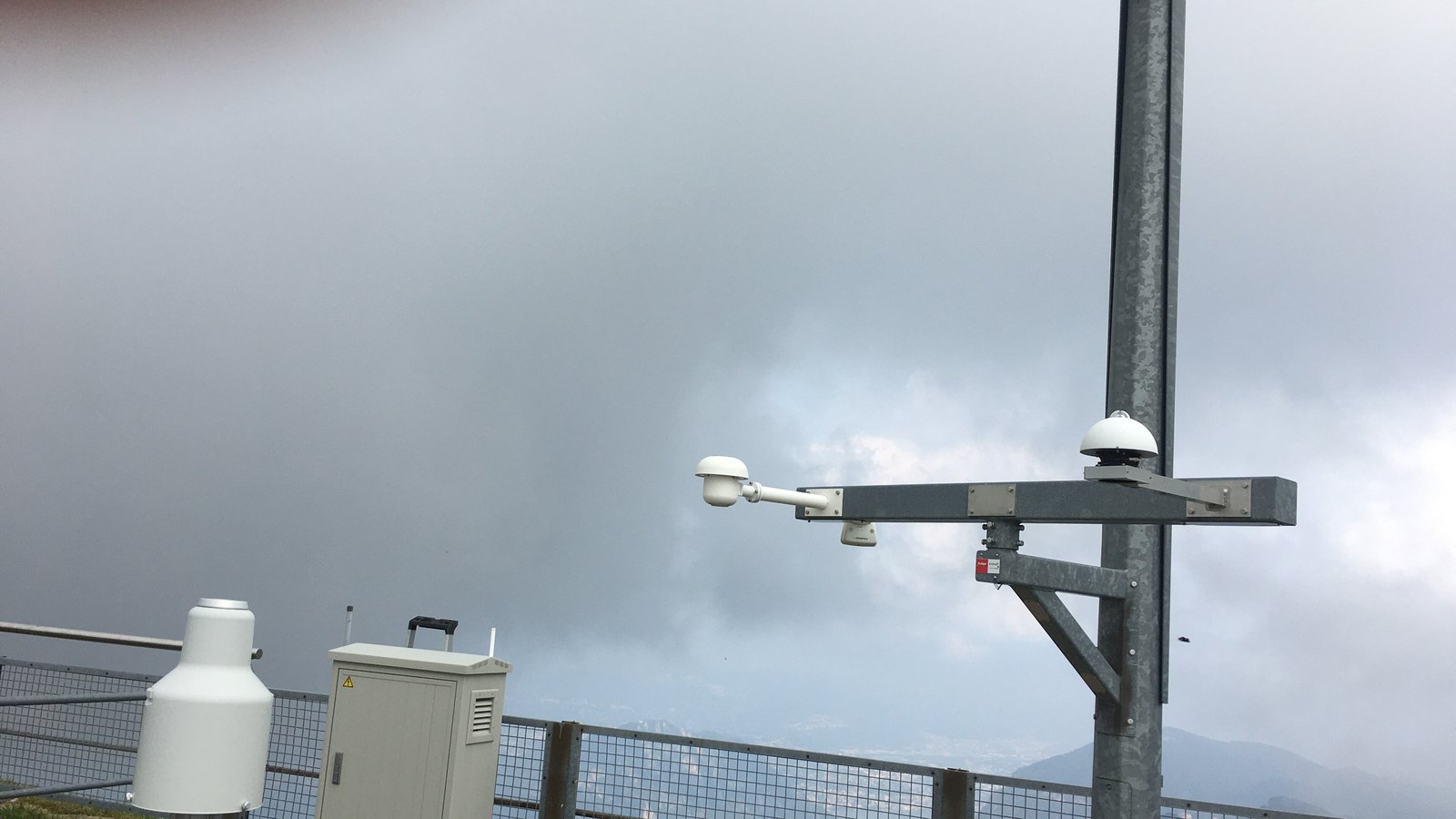
The WMO release defines the “first mile” as the path data takes from sensors and monitoring instruments before they enter national and international information systems, noting that differing technical arrangements along that path can slow exchange and make modernization harder. The standard comes from WMO’s partnership with the HydroMeteorological and Environmental Industry association (HMEI), which says it represents more than 140 companies that develop equipment, software, systems and services for the global weather enterprise and holds a formal working arrangement with WMO. WMO says the consultation involves Members, industry and other stakeholders.
WMO states that the measures strengthen infrastructure Members are already implementing rather than building a new system.
Background and context
WIS 2.0 uses open standards and modern web technologies, and became operational in January 2025. The WMO release says it now connects 115 Members, more than three times the number connected in 2023. Its low-cost open-source tool, wis2box, is aimed at simplifying the deployment of a WIS 2.0 node.
WMO’s transition guidance sets the migration from the legacy Global Telecommunication System (GTS) to WIS 2.0 as running from 2025 to 2030, with decommissioning of the GTS planned by 2033. National centres are advised to complete migration preferably by 2030 and no later than 2033. During the transition, two temporary global services, a GTS-to-WIS2 gateway and a WIS2-to-GTS gateway, keep data available on both systems, and transition modules in the WDQMS web application track progress.
The policy layer sits above this infrastructure. WMO’s Unified Data Policy page (Resolution 1, Cg-Ext 2021) describes WIS 2.0 as the primary technical mechanism for implementing the policy. Under that policy, core data are exchanged free and unrestricted with no conditions on use, while recommended data may carry conditions such as licences, and Members should give public research and education communities free access to recommended data for non-commercial activities. Attribution is strongly encouraged but is not a condition. The same page reports 116 operational WIS 2.0 nodes as of 30 June 2026 and proposes CC BY as the default licence for recommended data shared through WIS 2.0.
Reaction
WMO Secretary-General Celeste Saulo congratulated the WIS team and singled out Chile, “the first node that turned the GTS off”. WMO says Chile now shares data only through WIS 2.0, and that Members not yet migrated still receive Chile’s data over the legacy GTS through gateway centres. On the first-mile standard she said: “Networks will be simpler and cheaper to build as a result.”
Michel Jean framed the stakes in terms of users: governments, emergency managers, farmers, airlines, humanitarian agencies and local communities make decisions from weather and climate information, and data from different countries, institutions and technologies must be shareable “without being delayed, distorted, interrupted or lost because of incompatible formats or standards”.
Digital Watch’s analysis stresses that common standards let countries exchange observations, that monitoring arrangements help establish whether exchanges stay reliable, and that gateway centres support continuity as countries migrate to WIS 2.0 at different speeds.
What it means for researchers, universities and research offices
Researchers who depend on operational weather, hydrological and climate observations, or on the reanalysis and model products built from them, rely on the data chain these decisions govern. Service-level expectations and independent monitoring of WIS 2.0 components are aimed at making that chain measurable. Climate scientists will also note the continued work on stewardship centres and a consistent framework for managing historical records, which bears on the long-term reliability of climate records used in trend studies and adaptation planning. For wider context on how climate model data and community infrastructures are organised, see our guides to the World Climate Research Programme, the Earth Science Information Partners and ESGF and CMIP data.
University research data offices and groups that run meteorological stations, field networks or campus observatories should note the first-mile standard. It is intended to improve interoperability between observing systems, data collection platforms and WIS 2.0, and WMO expects compliant equipment on the market in 2027. Procurement and instrument-selection plans for new stations may therefore want to follow the consultation. Groups that already publish station data should also note the licensing context in the Unified Data Policy page, including the proposed CC BY default for recommended data shared through WIS 2.0. Our guide to the role of CODATA in FAIR and open science data policy explains how such sector rules relate to FAIR data stewardship.
For national meteorological and hydrological services, the practical implications are the monitoring criteria, the transition rules for retiring GTS connections and the gateway arrangements that protect users while neighbours migrate. Our earlier report on the WMO and UNDP agreement on early warning systems covers the Early Warnings for All effort that WMO says this infrastructure will increasingly support.
What happens next
- The First-mile Data Exchange Standard enters a six-month consultation with Members, industry and other stakeholders, followed by fast-track approval; compliant equipment is expected on the market in 2027.
- A six-month consultation is open on technical guidance for Climate Data Management Systems.
- Work continues on the High-quality Global Data Management Framework for Climate, including the designation of stewardship centres.
- WIS 2.0 migration continues under the transition guidance, which runs from 2025 to 2030 with GTS decommissioning planned by 2033, while gateway centres keep data flowing to Members that have not yet moved.
Sources
- WMO, “WMO Members strengthen the rules behind global data exchange”, 27 November 2026
- Digital Watch Observatory, “WMO members approve stronger rules for data exchange”, 28 November 2026
- WMO, WMO Unified Data Policy Resolution (Res.1)
- WMO, Guidance on transition from GTS/WIS1 to WIS2
- WMO, WMO Information System (WIS)
- HMEI, HydroMeteorological and Environmental Industry association






