
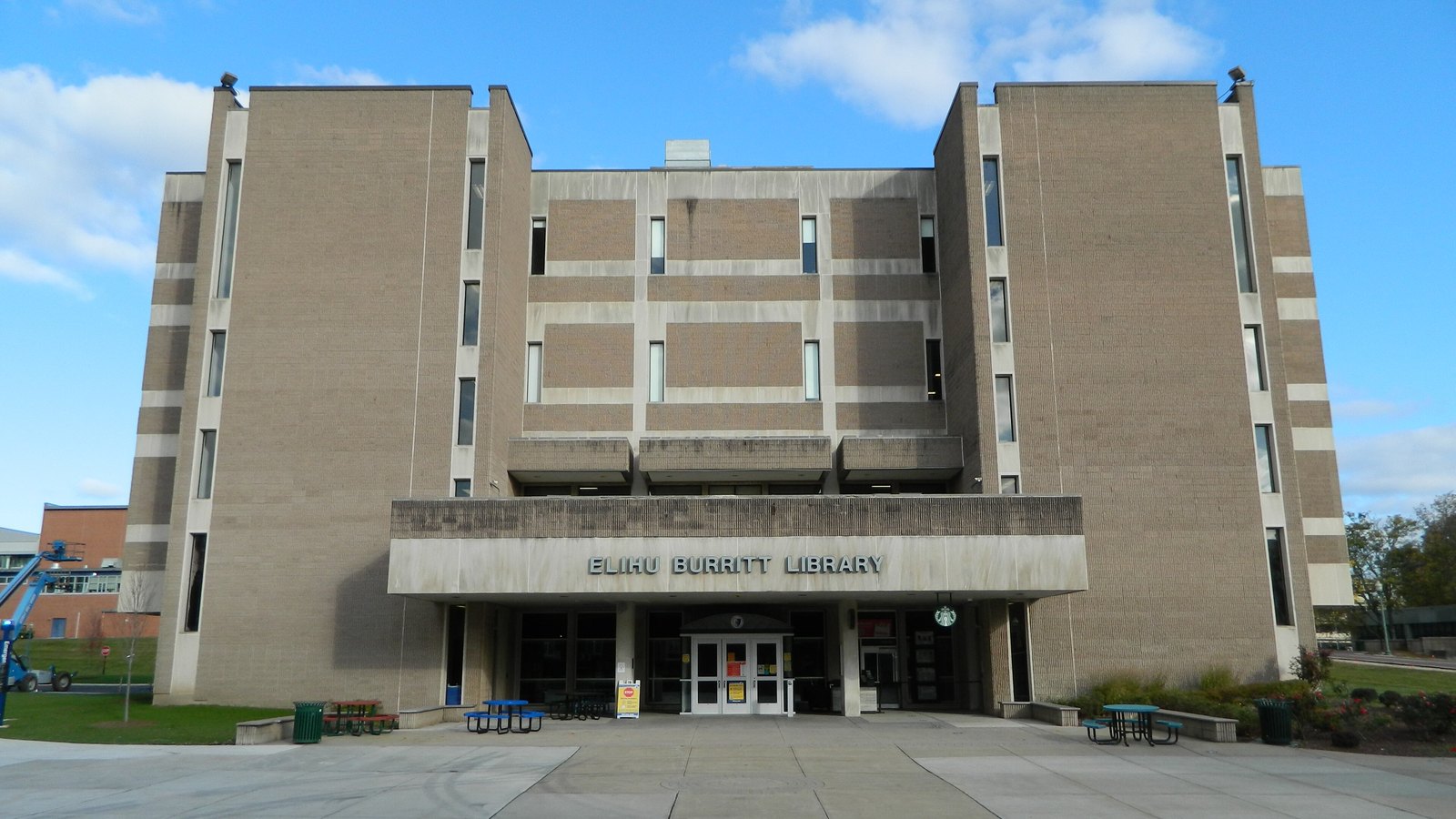
On November 20, 2026, following campus protests over CSCU proposed tuition hikes and spending cuts, the Connecticut Board of Regents for Higher Education voted to extend Interim Chancellor Natalie Braswell’s appointment by 12 months through June 2028. The governance vote pauses a national search across Connecticut’s public colleges and universities, establishing administrative continuity for academic departments, institutional officials, and sponsored research operations navigating state fiscal restructuring.
Board of Regents Extends Chancellor Braswell’s Leadership Through June 2028
The Connecticut Board of Regents for Higher Education announced on November 20, 2026, that it has formally extended the appointment of Interim Chancellor Natalie Braswell by an additional 12 months, keeping her at the helm of the Connecticut State Colleges and Universities (CSCU) system through June 2028. According to the official announcement from the Connecticut Board of Regents for Higher Education, the extension reflects the board’s commitment to continuity of leadership while addressing fiscal stabilization and clarifying governance structures.
With the extension, the regents have paused the national search for a permanent chancellor. The board indicated that suspending the search allows current leadership to manage the upcoming biennial budget cycle before recruiting a permanent executive. Board of Regents Interim Chair Ari Santiago stated that the decision followed extensive feedback from faculty, staff, students, and campus administrators advocating for stability.
“There is strong support for giving Natalie the time to build on the progress she has made and to finish the important work already underway,” Santiago said. “We have full confidence in her leadership and look forward to continuing this work together to ensure CSCU is more sustainable, fiscally sound, and responsive to the needs of our students and communities.”
Connecticut Governor Ned Lamont endorsed the board’s action, highlighting Braswell’s executive management across the state’s largest higher education network. “I asked Natalie to move over to CSCU because I knew she had the sound judgment and leadership skills necessary to make hard decisions and lead the system forward,” Lamont said in an official statement from Governor Ned Lamont. “Extending her contract by a year will provide continuity and give her the time to see these reforms through.”
Key Terms of the Leadership Extension and Institutional Scope
The approved contract extension keeps Braswell in office through June 30, 2028, with active recruitment for a successor deferred until the extension year. As interim chancellor, Braswell oversees 16 main campus locations statewide, comprising four regional universities, Charter Oak State College, and Connecticut State Community College (CT State). The system serves nearly 100,000 learners and conferred more than 14,300 degrees and certificates during the 2025–2026 academic year across more than 800 academic programs.
| Institutional Sector | Campuses | Enrollment & Credentials | Academic & Research Scope |
|---|---|---|---|
| Regional State Universities (CCSU, ECSU, SCSU, WCSU) | 4 regional campuses (New Britain, Willimantic, New Haven, Danbury) | Over 31,000 students; baccalaureate through doctoral degrees | Applied scientific research, teacher preparation, biotechnology, and health sciences |
| CT State Community College | 12 statewide branch campuses | Over 60,000 students; associate degrees and career certificates | Workforce training, advanced manufacturing credentials, and transfer pathways |
| Charter Oak State College | Online statewide institution | Adult learners; undergraduate and master’s programs | Cybersecurity, health informatics, and public administration degrees |
Stabilizing leadership across this network is critical for preserving academic accreditations, managing faculty labor contracts, and stewarding state appropriations.
Background: Budget Deficits, Leadership Churn, and System Restructuring
Braswell, former Connecticut State Comptroller and former general counsel to Governor Lamont, took office as interim chancellor in May 2026. Her appointment followed the sudden resignation of former interim chancellor Dr. O. John Maduko in April 2026 and the departure of former Board of Regents Chair Martin Guay.
In conjunction with extending Braswell’s tenure on November 20, the Board of Regents approved a biennial budget request for fiscal years 2028 and 2029. As reported by The Connecticut Mirror, the plan requests over $300 million in additional state funding over two years while projecting a 3% tuition increase and administrative expenditure cuts.
The fiscal proposal follows widespread campus protests on November 19, where faculty, staff, and students rallied at Central Connecticut State University against proposed spending reductions totaling $98 million. According to the Hartford Business Journal, campus advocates warned that successive tuition hikes and expenditure constraints threaten course offerings and student support services across the state.
Stakeholder Reactions Across Campuses and State Government
Stakeholder responses have balanced appreciation for executive continuity against persistent concern over state funding levels. Braswell welcomed the board’s vote, reaffirming her focus on financial stabilization and operational accountability.
“When I took on this role, my charge was to stabilize the system,” Braswell stated. “Since day one, I’ve been focused on doing just that by addressing difficult challenges, providing steady leadership, and strengthening accountability and trust. We’ve made meaningful progress, but there is more work to do, and I am committed to finishing that work.”
Campus labor leaders and faculty senates viewed the extension as a pragmatic measure to prevent administrative vacuums. However, union representatives emphasized that leadership consistency alone cannot solve structural deficits, urging the General Assembly to fully fund operational costs rather than shifting fiscal burdens onto tuition-paying students.
What the Leadership Extension Means for Universities, Researchers, and Research Offices
For academic researchers, departmental administrators, and sponsored project staff across CSCU institutions, Braswell’s 12-month extension provides needed operational stability:
- Institutional Official Delegations: In public university systems, executive turnover often disrupts delegated compliance oversight. Stabilizing system leadership ensures continuity for the Institutional Official (IO) role across CSCU universities, maintaining legal responsibility for Institutional Review Boards (IRB), animal care oversight, and federal research security mandates.
- Federal Grant Compliance: Regional university faculties manage millions in competitive federal funding from agencies including NSF and NIH. Consistent system governance supports uniform compliance with Uniform Guidance (2 CFR 200) standards, including time-and-effort certification, procurement integrity, and cost allocation.
- Indirect Cost Rate Negotiations: Research offices depend on facilities and administrative (F&A) recovery to maintain laboratories and grant administration. Leadership stability prevents disruptions during the renewal of Negotiated Indirect Cost Rate Agreements (NICRA) with cognizant federal agencies, protecting core operational reimbursements.
- Multi-Campus Research Collaborations: A stable executive term through 2028 provides external funding partners with contractual predictability for multi-year subawards, workforce research initiatives, and regional applied science consortia.
What Happens Next: Legislative Budget Deliberations and Search Timelines
The regents’ action establishes a roadmap for CSCU governance over the next 18 months:
- December 2026 Tuition Vote: The Board of Regents is scheduled to vote formally on specific tuition and fee increases for the 2027–2028 academic cycle.
- Spring 2027 Legislative Session: The Connecticut General Assembly will review CSCU’s request for more than $300 million in state support during its regular biennial budget session running through June 2027.
- Late 2027 Search Resumption: The Board of Regents plans to restart the national chancellor search in late 2027 or early 2028.
- June 2028 Conclusion: Braswell’s extended tenure concludes at the end of June 2028 as the system transitions to permanent leadership.
Sources
- Connecticut Board of Regents for Higher Education: CT Board of Regents Announces 12-Month Extension of Interim Chancellor Braswell’s Appointment, checked 2026-11-20
- Office of Governor Ned Lamont: Governor Lamont Statement on the Extension of CSCU Interim Chancellor Braswell’s Appointment, checked 2026-11-20
- The Connecticut Mirror: CSCU votes on tuition hikes, PURA settles with Eversource: CT politics news, checked 2026-11-20
- Hartford Business Journal: CSCU students, faculty push back on proposed 3% tuition hike, checked 2026-11-20


