
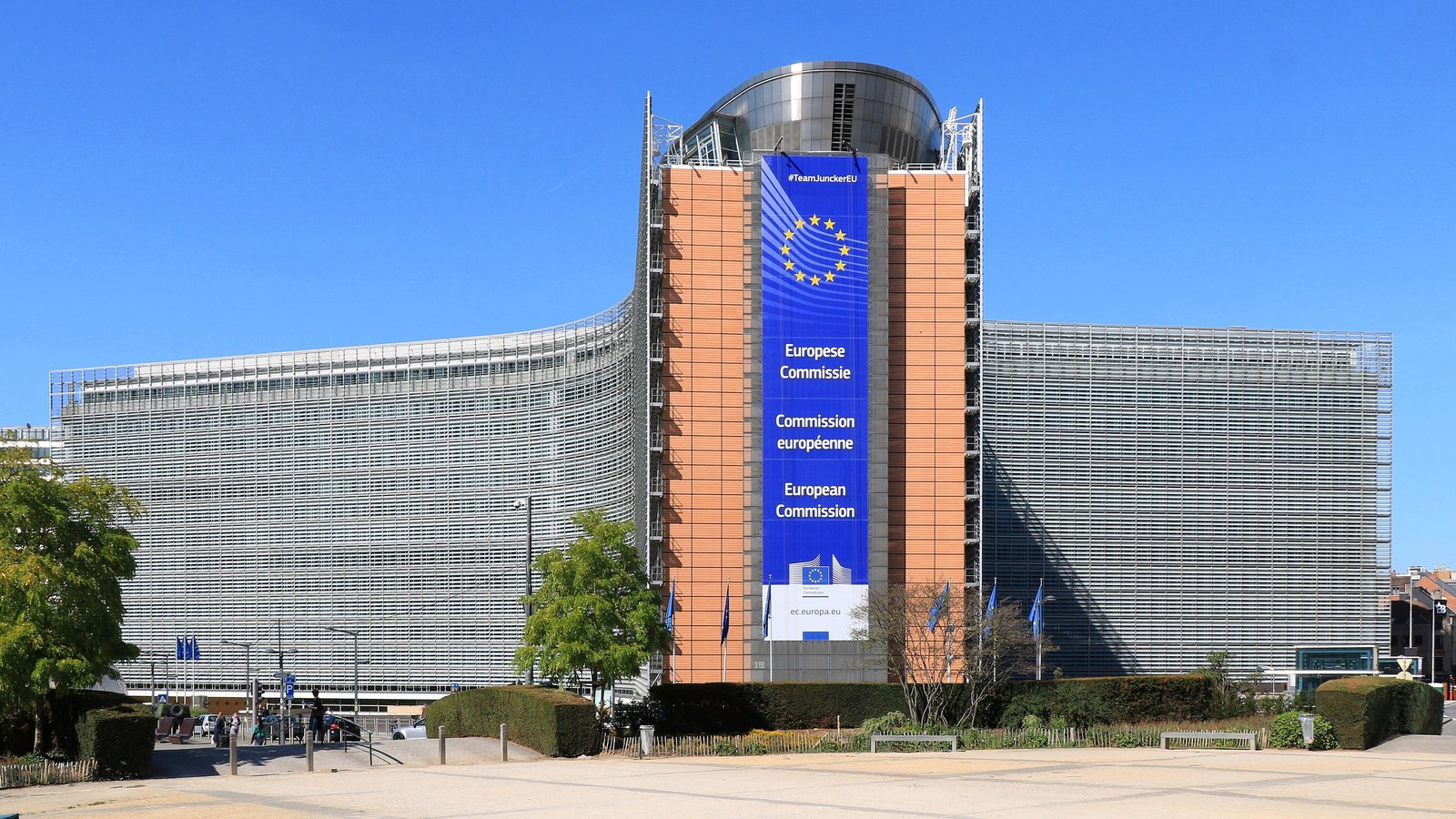
The European Union and the United Kingdom closed their second summit in Brussels on 20 November 2026 with a Youth Experience Scheme for 100,000 young people on each side, confirmation of UK participation in Erasmus+ in 2027, and a six-month deadline to agree tuition fees for each other’s students, a question that decides how much universities collect from EU students.
What happened at the Brussels summit
EU and UK leaders held the second EU-UK summit in Brussels on 20 November 2026, according to the joint statement published on GOV.UK. The first summit took place on 19 May 2025, and the statement says both sides are continuing to deliver on the Common Understanding agreed between the European Commission and the UK government.
The statement welcomes the conclusion of negotiations on a Youth Experience Scheme (YES). It lets 100,000 young people from the EU and 100,000 from the UK live in the other’s territory for up to three years and take part in activities such as work, study, au-pairing, volunteering or travel. The two sides say they aim to apply the agreement no later than 2028 and to make opportunities available to young people no later than January 2030.
On higher education, the leaders agreed to work towards a supplementing agreement to the Trade and Cooperation Agreement on tuition fees for EU students in the UK and for UK students in the EU. It would apply to all students from the other party irrespective of their immigration pathway, and the statement commits both sides to conclude the negotiations within six months of the summit date. The PIE News reported on the day that the two sides have yet to reach agreement on fees and that the commitment is to settle them within that six-month window.
Key details from the joint statement
| Item | What the statement says | Timing stated |
|---|---|---|
| Erasmus+ | Stresses the significance of UK participation in Erasmus+ in 2027; the funding call opened for applications on 18 November 2026; both sides will explore opportunities beyond 2027 | 2027 |
| Youth Experience Scheme | 100,000 young people each way, stays of up to three years | Apply no later than 2028; opportunities no later than January 2030 |
| Tuition fees | Supplementing agreement covering EU students in the UK and UK students in the EU, regardless of immigration pathway | Negotiations to conclude within six months of 20 November 2026 |
| Sanitary and phytosanitary area | Negotiations concluded on a common area that removes most certificates and controls on animal and plant products moving between Great Britain and the EU | Aim to apply from 1 March 2028 |
| Emissions trading link | Negotiations concluded on linking the EU and UK emissions trading systems, with mutual recognition of allowances | Aim to apply from 2028 |
| Digital Partnership | Intended launch, with areas that could cover AI security and safety and quantum technologies | Early 2027 |
| Health security | Signature of a Memorandum of Understanding on health security, including medical countermeasures, is anticipated | Not dated |
The statement says the sanitary and phytosanitary and emissions trading agreements will be brought into force together with the Youth Experience Scheme, in line with each side’s legal frameworks. It also says the two sides intend to launch an EU-UK Digital Partnership early next year, and describes the shared interest in the opportunities that science, research, technology and innovation provide.
Background: how the fee question reached the table
At the first summit in May 2025, the two sides agreed to work towards a balanced youth experience scheme and towards the UK’s association to Erasmus+, as the European Commission’s Erasmus+ news page recorded at the time. Fees were the unresolved issue from the start. Times Higher Education reported in May 2025 that London Economics estimated UK providers received about £1.2 billion in tuition fee income from EU-domiciled students in 2023-24, and that the full economic impact was likely to be double that figure.
The fee treatment of EU students changed after Brexit. Euronews, in a report syndicated by Yahoo on 20 November 2026, said the UK wants to lower the fees, while the EU wants its students treated equally to British ones, as before Brexit. The same report cited the Oxford Migration Observatory’s finding that EU student starts at UK universities fell 57% between 2020/21 and 2023/24.
The Erasmus+ element has already moved ahead. The British Council opened UK applications on 18 November, as covered in our report on the Erasmus+ call opening to UK applicants, which noted more than £400 million available across six sectors.
Reaction from universities and leaders
According to The PIE News, UK Prime Minister Andy Burnham said the deal “really is about lifting your life chances” and that Brexit “did take away opportunity from our young people.”
Universities UK chief executive Vivienne Stern welcomed the agreement as “pragmatic”. The PIE News quoted her saying that universities must subsidise the cost of teaching UK students, that there is no public funding for international students, and that it is vital any agreement meets the full cost of delivery.
Hollie Chandler, director of strategic policy at the Russell Group, told the outlet that any reduction in EU student fees would put pressure on UK student places, and that any final package must fully protect opportunities for UK students. She welcomed the extra time to consider the consequences.
Nathalie Jacoby-Danesh, a partner in the higher education team at the law firm Browne Jacobson, warned that a fee concession for EU students could accelerate retrenchment in transnational education and said universities will need certainty on which right-to-study checks apply. Euronews quoted an EU official saying the fee situation “makes our relationship poorer.”
What it means for researchers, universities and research offices
For international and study-abroad offices, the immediate action is the open Erasmus+ call. The joint statement encourages eligible institutions to apply, and the programme covers higher education learners and staff. Our guide to Erasmus+ and how organisations apply sets out what the programme funds and who runs it.
For finance and planning teams, fee income from EU students is the exposure. Universities UK and the Russell Group both tie their support to full cost recovery and protection of places for UK students, so scenarios for both outcomes, a home-fee settlement and a reduced-fee settlement, are likely to feature in budgets until the six-month talks conclude.
For research offices, the statement does not name Horizon Europe or its successor programme. The Russell Group and the Irish Universities Association had called on 19 November for full UK association to the next framework programme, as covered in our report on their joint call; background on the current programme is in our Horizon Europe overview. The planned Digital Partnership, which could cover AI security and safety and quantum technologies, is the one research-relevant workstream the statement dates, for early 2027.
What happens next
The clock on tuition fees runs for six months from 20 November 2026. Euronews reported that the open question is whether EU member states will make final approval of the new agreements conditional on a satisfactory fee deal. The statement itself says the sanitary and phytosanitary and emissions trading agreements are to enter into force jointly with the Youth Experience Scheme. The Youth Experience Scheme is to apply by 2028 at the latest, with opportunities available no later than January 2030, and Erasmus+ participation by UK institutions begins in 2027.
Sources
- Joint Statement of the European Union and the United Kingdom, EU-UK Summit, 20 November 2026, UK Government (GOV.UK), 20 November 2026
- 200k UK-EU youth mobility places agreed as tuition fee decision delayed, The PIE News, 20 November 2026
- Young Europeans win a route back to the UK, but not cheaper university fees yet, Euronews via Yahoo News, 20 November 2026
- Youth at the heart of the EU-UK relationship, European Commission Erasmus+ programme, 19 May 2025
- EU fees a £1.2 billion ‘bargaining chip’ in youth mobility talks, Times Higher Education, 23 May 2025


