
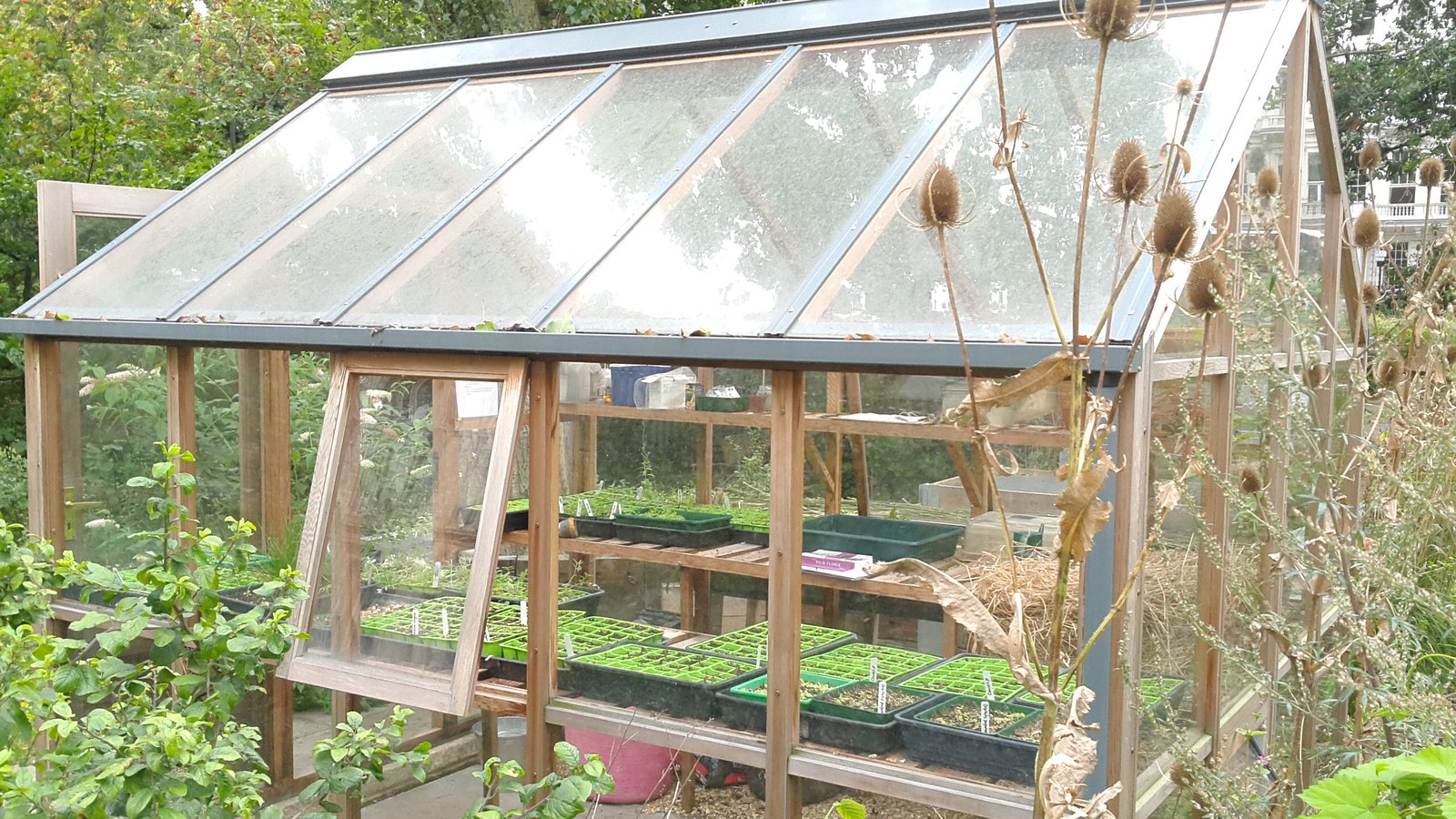
On 26 November 2026, the UK Department for Education released updated funding guidance for the National Education Nature Park programme, confirming £2 million in capital allocations for 757 eligible educational settings across England for the 2026 to 2027 academic year. The revised framework mandates alignment with Local Nature Recovery Strategies, expanding regional biodiversity corridors and standardising ecological monitoring data critical for university environmental research partnerships.
DfE Updates Nature Park Funding Guidance and Criteria for 2026 to 2027
The UK Department for Education (DfE) published comprehensive updates to its statutory National Education Nature Park grant funding guidance on 26 November 2026, establishing eligibility terms, allowable capital costs, and administrative pathways for the 2026 to 2027 academic cycle. Under the updated scheme, 757 educational settings across England are eligible to receive capital grants of up to £5,000 each, drawing from a targeted £2 million funding envelope designed to expand nature-based learning environments and biodiversity monitoring capacity on school grounds.
The grant initiative forms part of the government’s education sustainability portfolio, managed with a consortium led by the Natural History Museum and delivered alongside the Royal Horticultural Society (RHS). The programme targets nurseries, local-authority-maintained schools, special schools, free schools, academies, and post-16 colleges in areas with documented deficits in accessible green infrastructure. The funding provides direct capital investment to transform grey school spaces into living laboratories where students contribute longitudinal biodiversity records to national ecological registries.
Eligibility Criteria, Spending Categories, and Funding Breakdown
To secure grant funding for the 2026 to 2027 academic year, educational settings must satisfy five cumulative administrative and spatial eligibility criteria set out in the revised guidance:
- Greenspace Inequality Designation: The setting must sit within a Lower-layer Super Output Area (LSOA) in category 1 or 2 under Natural England’s accessible natural greenspace inequalities indicator.
- Socioeconomic Deprivation: The establishment must occupy an LSOA ranking within deciles 1 through 3 of the Index of Multiple Deprivation (IMD), ensuring funds reach the most disadvantaged 30 percent of communities in England.
- Statutory Census Compliance: The institution must have submitted an official school-level census return during the spring term of the 2025 to 2026 academic year.
- Register Inclusion: The setting must appear on the DfE official 2026 to 2027 register of 757 pre-screened eligible establishments.
- Prior Funding Rules: The institution must not have previously received a Nature Park grant; settings eligible during the 2025 to 2026 cycle that were unawarded may also reapply.
Eligible expenditure focuses on physical habitat improvements and scientific observation infrastructure. Recipients may allocate capital funds toward direct costs including flower-rich grassland restoration, native wildflower turfing, wildlife-friendly hedge planting, pond creation or rehabilitation, tree planting, green walls, planters, and rainwater collection systems. Institutions may also purchase field equipment such as automated camera traps, digital sensors, and weather monitors, or contract specialist biodiversity professionals for site survey and planting design.
Where schools belong to multi-academy trusts, individual academies remain eligible independently, requiring distinct site-level spending plans rather than a bundled subaward structure across sister campuses.
| Programme Phase | Academic Years | Total Capital Pot | Eligible / Funded Settings | Maximum Grant Per Setting | Delivery Administrator |
|---|---|---|---|---|---|
| Initial Multi-Year Rollout | 2023 to 2025 | £15 million awarded | Over 1,800 settings | Up to £10,000 | Royal Horticultural Society |
| Targeted Expansion Round | 2026 to 2027 | £2 million allocated | 757 pre-screened settings | Up to £5,000 | Royal Horticultural Society |
Programme Evolution and Alignment with Environmental Frameworks
The National Education Nature Park was formally unveiled in late 2023 under the Department for Education Sustainability and Climate Change Strategy, intended to place biodiversity and climate resilience at the core of estate management and outdoor pedagogy across England. In its initial operating phases, the programme disbursed £15 million to more than 1,800 schools and colleges, as documented in official National Education Nature Park funding allocations. That initial push established pilot habitat installations and launched an interactive spatial mapping portal that aggregates local species observations into a cohesive national education nature estate.
A major structural update in the 2026 to 2027 guidance is the requirement for participating schools to align biodiversity interventions with their designated Local Nature Recovery Strategy (LNRS). Under the Environment Act 2021, England is divided into 48 statutory LNRS areas, each led by responsible local authorities to map priority habitats and reverse wildlife declines. By requiring schools to consult their area strategy when selecting habitat types, the DfE ensures that schoolyard investments integrate directly into landscape-scale nature recovery networks.
This systematic alignment also connects educational estate enhancements to natural capital accounting metrics tracked by public bodies, including national biodiversity indicators published within Office for National Statistics environmental accounts. For institutional estate managers within grants management departments, linking minor capital enhancements to statutory environmental frameworks marks a significant evolution in public funding accountability.
Consortium Execution and Scientific Sector Perspectives
Operational delivery of the Nature Park grant funding relies on an interdisciplinary partnership between scientific institutions, educational non-profits, and geospatial technology providers. Led by the Natural History Museum in London, the consortium brings together the Royal Horticultural Society, the Royal Society, the Royal Geographical Society, Learning through Landscapes, and Esri UK. While the RHS administers direct grant outreach and financial distribution to qualifying schools, the Natural History Museum oversees the scientific framework ensuring that school-level data collection meets academic standards.
Ecological researchers and science educators have welcomed the targeted focus on high-deprivation areas, noting that urban schools often represent critical stepping-stones for wildlife corridors that conventional conservation bodies struggle to access. By outfitting classrooms with standardized observation equipment—such as digital sensors, camera traps, and micro-climate loggers—the scheme acts as a wide-scale distributed monitoring platform. National research funders including the Natural Environment Research Council (NERC) have emphasized the scientific value of community-led environmental observations, highlighting that structured participatory monitoring generates high-density temporal records of urban phenology, pollinator abundance, and local micro-climate shifts.
Implications for University Research Partnerships and Data Governance
The updated guidance carries strategic and operational implications for university research offices, ecology departments, and academic outreach teams across the UK. Because the 757 eligible settings are mandated to measure and monitor biodiversity gains through standardized digital instruments, higher education institutions have clear opportunities to form regional research partnerships with neighbouring schools.
Key considerations for academic institutions and university research offices include:
- Standardised Citizen Science Data: Academic ecologists conducting urban biodiversity and landscape connectivity studies can collaborate with participating schools to ingest observational data. By aligning schoolyard monitoring protocols with university-led field research, researchers gain access to secure micro-habitats that remain protected from public interference.
- Research Data Stewardship: As schools upload species records, soil metrics, and pollinator counts to the central Nature Park digital platform, university partners must establish robust data governance frameworks. Integrating school-generated ecological measurements into academic projects requires a compliant data management plan (DMP) that addresses data validation, open access curation, and data integrity standards.
- Widening Participation and Co-Designed Research: Because eligibility is anchored to the top 30 percent most deprived LSOAs, university outreach and civic engagement offices can leverage Nature Park installations for long-term STEM engagement, co-authoring secondary grant proposals that blend ecological field experiments with widening participation goals.
- Estate Management Benchmarking: Higher education institutions managing extensive urban campus estates are adopting the Nature Park framework as a benchmark for their own biodiversity net gain reporting, harmonising campus greening with regional LNRS goals.
Implementation Timeline and Next Steps for Eligible Institutions
The Department for Education and the Royal Horticultural Society have established a phased rollout schedule for the 2026 to 2027 funding cycle:
- Summer Term 2026: Direct Institutional Outreach. The Royal Horticultural Society will proactively contact the 757 pre-screened eligible educational settings, providing application toolkits and specifications for allowable biodiversity interventions.
- September 2026: Application Window Opens. Eligible nurseries, schools, and colleges will submit formal spending proposals detailing their intended habitat enhancements, procurement estimates, and planned curriculum integration.
- Autumn 2026 to Spring 2027: Grant Disbursement and Site Works. Approved settings will receive capital grant disbursements of up to £5,000 to initiate planting, install green infrastructure, and procure observation instruments ahead of the 2027 spring growing season.
- Summer 2027: Baseline Monitoring and Registry Reporting. Participating settings will submit initial biodiversity monitoring data and species counts via the National Education Nature Park digital map, fulfilling statutory grant conditionality and feeding into local LNRS reviews.
Sources
- Department for Education: National Education Nature Park grant funding, checked 2026-11-26
- Department for Education: National Education Nature Park funding allocations, checked 2026-11-26
- Royal Horticultural Society: School gardening, checked 2026-11-26
- Natural Environment Research Council: Natural Environment Research Council (NERC) – UKRI, checked 2026-11-26
- Office for National Statistics: Environmental accounts, checked 2026-11-26






