
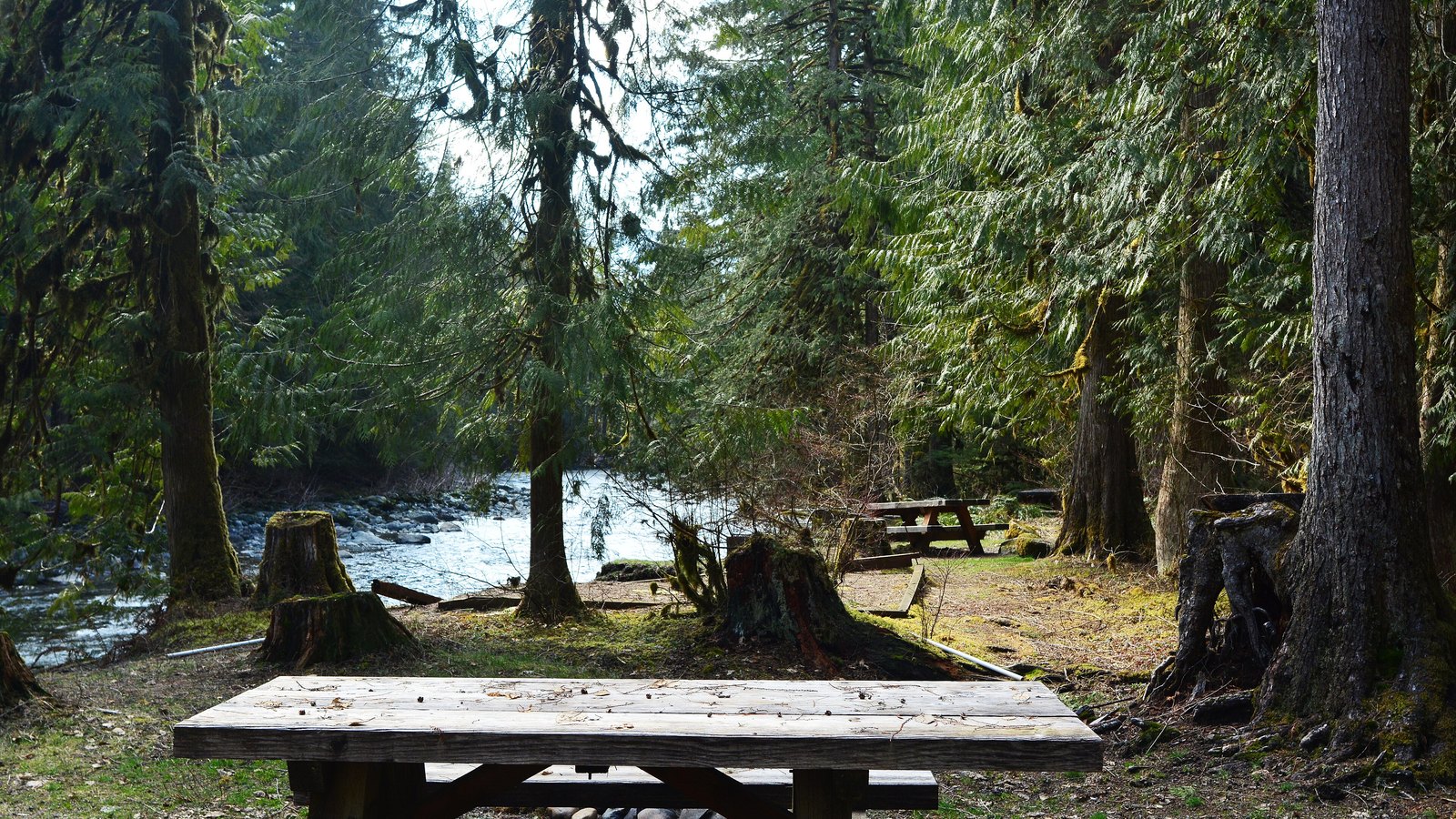
On November 24, 2026, the Federal Energy Regulatory Commission published an official Notice of Intent to prepare an Environmental Assessment for Seefeld Corporation’s proposed surrender of license exemption and complete decommissioning of the Smith Creek Hydroelectric Project in Whatcom County, Washington, establishing a transparent federal review schedule for riparian restoration along the ecologically sensitive Nooksack River basin.
Decommissioning Plan and Surrender of Exemption
The regulatory filing marks the formal winding down of the Smith Creek Hydroelectric Project (designated under FERC Project No. 5982-001), a small generation facility developed along Smith Creek within the Nooksack River watershed. Seefeld Corporation submitted its application to surrender its licensing exemption on July 27, 2026. On August 18, 2026, the Commission issued a public notice accepting the surrender application for filing and establishing a procedural window soliciting comments, protests, and motions to intervene. Following the close of the intervention period, FERC recorded zero interventions or protests, clearing the path for an uncontested environmental review.
Under federal energy statutes codified in 16 U.S. Code Chapter 12 Subchapter I, small hydroelectric projects under 10 megawatts may obtain exemptions from standard multi-decade commercial licensing requirements. However, surrendering an exemption requires formal Commission authorization to ensure that project abandonment does not degrade public waterways or leave structural hazards in place. The Seefeld Corporation facility occupies purely private land and does not sit on federal public lands, simplifying jurisdiction but concentrating environmental oversight on surface hydrology and fish passage.
The proposed decommissioning plan outlines a structural dismantling approach designed to avoid mechanical disturbance to aquatic substrate. Rather than deploying excavators directly into active channels, Seefeld Corporation proposes removing the concrete diversion weir, severing the intake pipe strictly above the ordinary high-water mark, and filling the severed conduit with concrete to prevent subterranean piping and bank collapse. Additional actions include demolishing the project settling tank, removing electrical generation machinery, permanently disconnecting the site from the regional transmission grid, and dismantling the timber-frame portions of the powerhouse.
Key Technical Specifications and Regulatory Milestones
The procedural timeline and structural decommissioning parameters illustrate how small-scale hydropower facilities are retired under federal oversight. The following comparative data table outlines the core dates, operational specifications, and environmental parameters established in the docket:
| Project Parameter | Docket Specification | Regulatory and Ecological Significance |
|---|---|---|
| Docket and Project Number | FERC Project No. 5982-001 | Identifies small-hydro surrender proceeding under 18 CFR Part 4. |
| NEPA Tracking ID | EAXX-019-20-000-1793782217 | Federal identifier for interagency environmental assessment records. |
| Surrender Application | Filed July 27, 2026 | Commenced formal decommissioning request by Seefeld Corporation. |
| Acceptance Notice | Issued August 18, 2026 | Solicited public comments and interventions; zero protests received. |
| Notice of Intent Publication | November 24, 2026 (91 FR 75845) | Official Federal Register document confirming NEPA review path. |
| Target Environmental Assessment | March 31, 2027 | Scheduled staff issuance date for the environmental review. |
| Public Comment Duration | 30 Calendar Days | Post-issuance public and agency review period prior to final order. |
| In-Stream Construction Footprint | Zero streambed excavation | Removals isolated above high-water line to safeguard channel beds. |
| Jurisdictional Land Status | Non-federal private lands | Project occupies no federal land holdings in Whatcom County. |
Under 18 CFR Part 4 Subpart K, facilities exempt from standard licensing remain subject to Commission compliance orders during decommissioning. The Commission evaluates the structural stability of remaining foundations, the prevention of uncontrolled sediment release, and the restoration of natural surface water gradients. Baseline spatial information and historical discharge characteristics from platforms like HydroSource assist hydrologists in modeling how legacy diversion dams have influenced local flow regimes over multi-decade lifespans.
Ecological Context and Salmonid Habitat Recovery
The Smith Creek basin represents an important micro-catchment within the broader Nooksack River drainage, which drains the glacier-fed slopes of Mount Baker and discharges into Bellingham Bay in northern Puget Sound. The Nooksack system provides essential spawning, rearing, and migratory corridors for multiple anadromous species, most notably Puget Sound Chinook salmon, which are listed as threatened under the Endangered Species Act. The river also supports native populations of coho, chum, and pink salmon, as well as winter-run steelhead trout and bull trout.
Even modest diversion weirs can fragment aquatic connectivity by blocking upstream juvenile migration during low-flow periods, accelerating water temperatures behind impoundments, and trapping coarse gravel essential for spawning redds. By removing the diversion weir and plugging the diversion conduit above the water line, the Smith Creek project will eliminate an artificial barrier and re-establish natural bedload transport. Ecological researchers evaluating watershed-scale restoration projects frequently combine regional hydrographic networks such as HydroSHEDS with local stream gauges to simulate sediment pulses and channel reconfiguration following barrier removals.
Crucially, Seefeld Corporation’s commitment to refrain from in-streambed mechanical excavation minimizes immediate ecological risks. Heavy machinery operating directly within alluvial riverbeds often triggers severe localized turbidity, resuspends fine silt that suffocates incubating salmonid embryos, and destabilizes macroinvertebrate communities. Restricting deconstruction to above-water infrastructure avoids the short-term water quality degradations that frequently complicate riparian remediation projects.
Interagency Coordination and Stakeholder Responses
The complete absence of formal protests or intervention requests following FERC’s August 18, 2026 notice reflects a growing regional consensus favoring the retirement of marginal small-hydro projects in critical fish corridors. While large-scale hydroelectric facilities generate substantial baseload power, small low-head diversions constructed decades ago often become economically unviable due to maintenance costs, safety liability, and evolving environmental standards.
FERC staff members, including Project Coordinator Rebecca Martin and representatives from the Office of Public Participation, are coordinating the environmental review process in accordance with 18 CFR Part 380, which governs Commission National Environmental Policy Act compliance procedures. This process involves formal consultation with the Washington Department of Fish and Wildlife, the Washington Department of Ecology, the U.S. Fish and Wildlife Service, NOAA Fisheries, and local treaty tribes, including the Lummi Nation and Nooksack Indian Tribe, whose usual and accustomed fishing grounds encompass the Nooksack River basin.
Federal reviews under NEPA require analysis of cumulative impacts on surface water quality, riparian microclimates, and cultural resources. Stakeholder feedback gathered during the forthcoming 30-day comment window will inform specific terms in the Commission surrender order, such as post-removal site stabilization, revegetation, and erosion monitoring requirements.
Significance for Watershed Researchers and Compliance Programs
For academic researchers and environmental compliance specialists, the Smith Creek surrender proceeding offers valuable empirical insights into the procedural mechanisms of small-scale infrastructure retirement. Quantitative monitoring of dam decommissioning provides indispensable data for testing hydrodynamic sediment models and biological recolonization theories. Studies documented in publications such as the Environmental Monitoring and Assessment Journal highlight how post-removal monitoring protocols must track bedload grain size distribution, pool-riffle morphology, and thermal profiles over multiple hydrologic years.
Furthermore, university environmental programs and natural resource departments can analyze this proceeding as a case study in regulatory streamlining. When an exemptee proactively proposes non-intrusive decommissioning techniques—such as avoiding active streambed excavation and sealing penstock pipes above the high-water line—the regulatory burden diminishes considerably. Institutional research offices managing federal grants under environmental policy frameworks can examine how thorough project scoping and early stakeholder engagement mitigate opposition and shorten environmental review timelines.
Quantifying the overall environmental impact of decommissioning versus continued operation also plays a central role in energy transition studies. As climate shifts alter precipitation patterns in snow-fed Pacific Northwest basins, small run-of-river facilities face increasingly volatile seasonal yields, reinforcing the economic and ecological rationale for decommissioning aging water infrastructure.
Next Steps in the National Environmental Policy Act Review
Following the publication of the Notice of Intent, FERC staff will proceed with drafting the Environmental Assessment document, with a scheduled target release date of March 31, 2027. Once the EA is issued, the Commission will open a mandatory 30-day public comment period. During this window, federal, state, and tribal entities, along with academic institutions and members of the public, may submit substantive scientific and technical comments through the Commission eFiling portal.
All comments submitted during the 30-day period will be reviewed by Commission staff and incorporated into the final decision-making record. If the assessment confirms that the proposed surrender and restoration measures will produce no significant adverse environmental degradation, the Commission will issue a final surrender order specifying mandatory site stabilization measures, decommissioning deadlines, and final inspection sign-offs before formally terminating the project regulatory file.
Sources
- Federal Register: Seefeld Corporation; Notice of Intent To Prepare an Environmental Assessment, checked 2026-11-28
- Cornell Law School Legal Information Institute: 16 U.S. Code Chapter 12 Subchapter I – Regulation of the Development of Water Power and Resources, checked 2026-11-28
- Electronic Code of Federal Regulations: 18 CFR Part 4 Subpart K – Exemption of Small Hydroelectric Power Projects of 10 Megawatts or Less, checked 2026-11-28
- Electronic Code of Federal Regulations: 18 CFR Part 380 – Regulations Implementing the National Environmental Policy Act, checked 2026-11-28
- NOAA Fisheries: Puget Sound Chinook Salmon, checked 2026-11-28






