
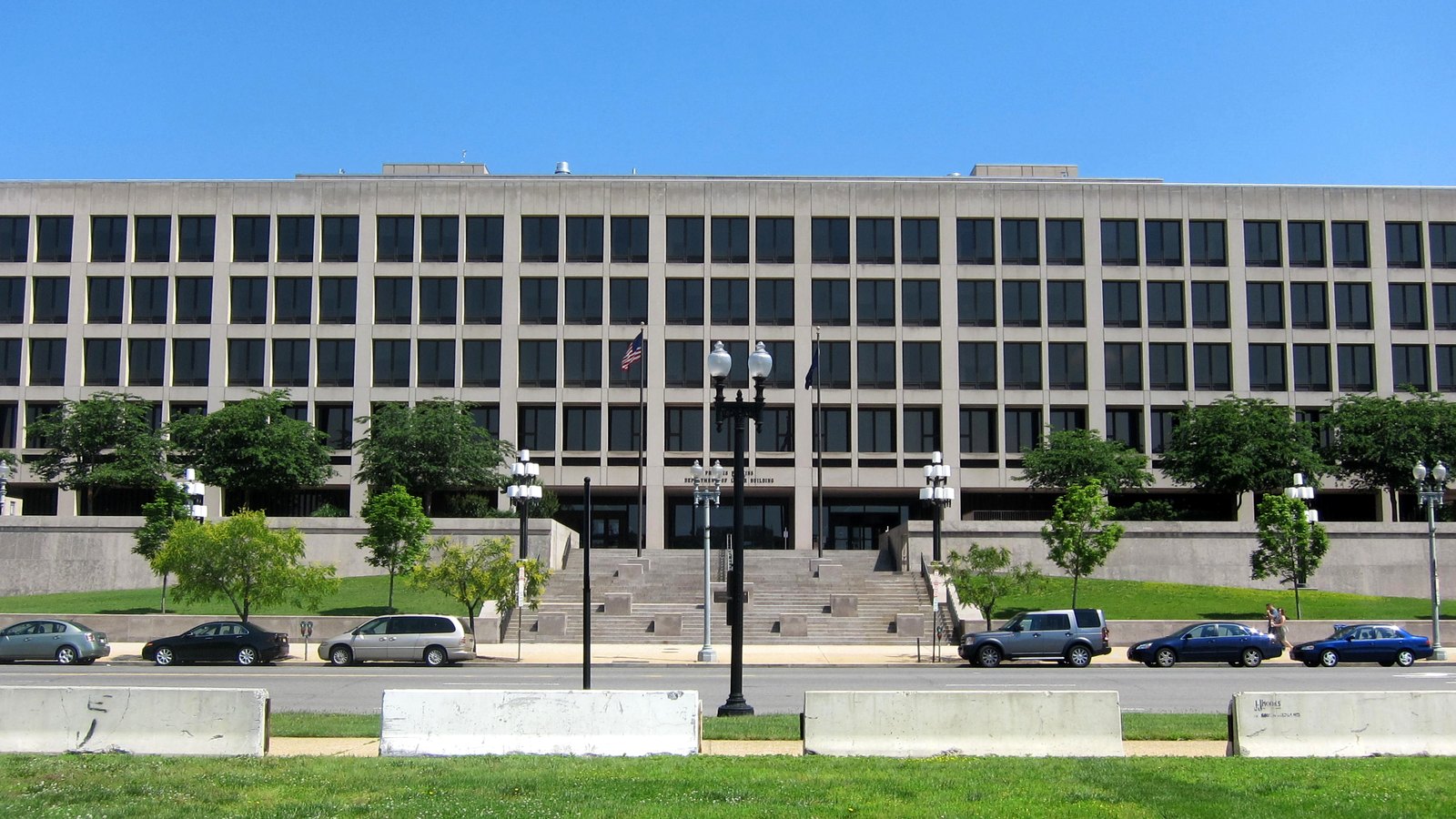
The Pension Benefit Guaranty Corporation (PBGC) issued a proposed rule on November 30, 2026, overhauling reportable event notification mandates for single-employer defined benefit pension plans. The action eliminates routine annual filings for gradual participant attrition and clarifies safe harbors for corporate de-risking, directly easing administrative burdens for private research universities, academic health centers, and non-profit research institutes that maintain legacy pension obligations.
Regulatory Scope and Core Provisions of the Proposed Rule
Published in the Federal Register proposed rule (Document No. 2026-24270), the PBGC measure updates regulatory reporting requirements under 29 CFR Part 4043. Issued pursuant to ERISA section 4043 and codified at 29 U.S.C. § 1343, the rule targets post-event notifications that alert the federal pension insurer to potential sponsor insolvency or benefit security risks.
Under ERISA Title IV, plan administrators and contributing sponsors must report specific corporate and operational occurrences within 30 days. However, a decade of filing data demonstrated that routine census decreases rarely indicated financial distress. The proposed revisions amend Section 4043.23 by eliminating retroactive attrition reporting, defining the statutory single-cause threshold, and carving out standard institutional risk-transfer transactions.
PBGC General Counsel Jack Lund noted that the rulemaking stems from retrospective regulatory review aimed at reducing compliance friction without diminishing participant protections. By focusing oversight on sudden, large-scale reorganizations, the agency reallocates monitoring resources to high-risk plans.
Elimination of Attrition-Event Filings and Single-Cause Clarifications
The primary reform removes the notice requirement for active participant attrition events under 29 CFR § 4043.23. Established in 2015, the attrition rule mandated testing whether year-end active participant totals dropped below 80 percent of beginning-of-year figures due to cumulative turnover. Triggered plans had to submit formal filings alongside annual premium payments.
This mandate created unintended administrative friction for frozen defined benefit plans. As private institutions closed legacy pension schemes to new entrants, active rosters naturally shrank to small cohorts. In a frozen plan with only 20 active participants, the voluntary retirement of five individuals crossed the 20 percent threshold, compelling costly federal filings despite the sponsor’s financial strength.
The proposed rule formalizes relief initiated under PBGC Technical Update 26-1, issued September 18, 2026, which granted temporary reporting waivers. Once finalized, Section 4043.23 will require notice solely for single-cause reductions exceeding 20 percent within a plan year.
Additionally, the rule adds a formal definition of single cause under Section 4043.23(a)(2). A single cause is defined as the same underlying transaction or occurrence that separates individuals from active status. The regulation expressly excludes ordinary turnover—such as individual resignations, retirements, deaths, and ordinary terminations—while retaining mandatory reporting for plant shutdowns, mass layoffs, and early retirement incentive programs.
De-Risking Transactions, Annuity Purchases, and Split-Off Carve-Outs
Plan sponsors routinely utilize pension risk transfers to manage long-term balance sheet liabilities. The proposed rule establishes explicit safe harbors for three standard transactions, provided affected personnel remain employed in the ordinary course by the sponsor’s controlled group:
- Irrevocable Annuity Buyouts: Group annuity contracts purchased from commercial insurers that transfer benefit liabilities for active participants in frozen plans. Because the insurer fully guarantees these benefits, Title IV insurance obligations cease without raising default risks.
- Temporary Lump-Sum Windows: Limited-duration window programs in frozen plans permitting active participants to elect lump-sum payouts in full satisfaction of accrued pension obligations.
- Intra-Controlled Group Split-Offs: Plan divisions and spinoffs under Internal Revenue Code Section 414(l) transferring assets and liabilities across plans maintained within the identical corporate or institutional controlled group.
This codification incorporates administrative principles from PBGC Opinion Letter 26-001 (June 15, 2026) and existing PBGC regulatory guidance. Individuals whose liabilities are settled through qualifying buyouts or lump sums are excluded from workforce reduction calculations for reportable event triggers.
Comparative Framework: Current Versus Proposed PBGC Notification Rules
The proposed changes alter compliance workflows for single-employer plan fiduciaries. The table below summarizes key differences between the 2015 framework and the proposed regulation:
| Regulatory Area | Current Regulation (2015 Rule) | Proposed Rule (RIN 1212-AB65) | Institutional Impact |
|---|---|---|---|
| Attrition Notices | Mandatory reporting if active participants drop below 80% due to ordinary turnover. | Fully eliminated; no regulatory notice required for attrition. | Eliminates annual tracking costs for closed and frozen legacy plans. |
| Single Cause Definition | Undefined in regulatory text; enforced through agency interpretation. | Formally defined as same underlying transaction; excludes ordinary turnover. | Clarifies thresholds for department reorganizations and staff adjustments. |
| Annuity Buyouts | Ambiguous under formal rules; governed by sub-regulatory opinion letters. | Explicit exclusion for active staff in frozen plans who remain employed. | Permits risk transfers without triggering 30-day post-event notices. |
| Lump-Sum Windows | Required case-by-case evaluation to determine reportable status. | Formally excluded from single-cause definition in frozen plans. | Facilitates voluntary payouts without reportable event liability. |
| Controlled Group Split-Offs | Spinoffs and internal transfers frequently prompted dual filings. | Exempted from single-cause triggers if within identical controlled group. | Simplifies hospital integrations and academic healthcare restructuring. |
| Multi-Year Events | Unclear treatment when phased restructurings crossed plan years. | Tested as new single cause in year two only if threshold not previously crossed. | Prevents duplicative filings across consecutive institutional fiscal years. |
Implications for Universities, Academic Medical Centers, and Research Institutes
While governing all private single-employer defined benefit plans, the proposed rule holds substantial relevance for private research universities, academic medical centers, and independent biomedical institutes. Many of these institutions sponsor legacy defined benefit plans that were frozen to new entrants when standard faculty and staff retirement packages migrated to defined contribution structures.
In academic healthcare systems undergoing clinical restructuring or hospital integrations, transferring clinical staff across affiliated entities previously generated complex reportable event reviews. The proposed split-off exclusion ensures that reorganizing departments across an institutional healthcare network will not trigger federal enforcement notices so long as employees remain within the controlled group.
Furthermore, pension compliance intersects directly with sponsored research administration. Defined benefit pension costs form a component of institutional fringe benefit pools subject to Single Audit compliance and federal Cost Accounting Standards (CAS 412 and CAS 413). Removing spurious attrition filings reduces administrative friction across institutional compliance offices overseeing sponsored research personnel costs.
Rulemaking Timeline, Public Comment Process, and Compliance Next Steps
The proposed rule was published in the Federal Register on November 30, 2026, opening a 60-day public comment window closing on January 29, 2027. Public comments may be submitted through several official channels:
- Federal eRulemaking Portal: Electronic submissions may be filed through the regulations.gov docket referencing RIN 1212-AB65.
- Agency Email: Comments may be transmitted directly to PBGC’s regulatory email address citing RIN 1212-AB65 in the subject line.
- Mail Delivery: Written statements may be mailed to the Legislative and Regulatory Division, Office of the General Counsel, Pension Benefit Guaranty Corporation, 445 12th Street SW, Washington, DC 20024-2101.
The amendments will take effect upon publication of a final rule and will govern events occurring on or after that date. Until final action, sponsors may continue relying on Technical Update 26-1 for attrition relief. Institutional plan administrators and research officers should review active participant rosters and verify plan freeze provisions in preparation for the 2027 plan year.
Sources
- Federal Register: Reportable Events and Certain Other Notification Requirements, checked 2026-11-28
- Electronic Code of Federal Regulations: 29 CFR Part 4043 — Reportable Events and Certain Other Notification Requirements, checked 2026-11-28
- Pension Benefit Guaranty Corporation: Legal Resources and Guidance, checked 2026-11-28
- Legal Information Institute: 29 U.S. Code § 1343 — Reportable Events, checked 2026-11-28






