
On November 23, 2026, the U.S. Fish and Wildlife Service submitted an information collection renewal to the Office of Management and Budget governing marking, tagging, and reporting certificates for polar bears, Pacific walruses, and northern sea otters in Alaska. The filing establishes regulatory reporting protocols that directly dictate how wildlife biologists, university natural history museums, and academic specimen repositories register, track, and curate salvaged marine mammal parts.
What happened
On November 23, 2026, the U.S. Fish and Wildlife Service (FWS) filed Notice 2026-23857 on Federal Register Public Inspection (scheduled for publication November 24, 2026; Docket No. FWS-R7-ES-2026-3598, OMB Control Number 1018-0066). The filing, titled Agency Information Collection Activities; Submission to the Office of Management and Budget; Marine Mammal Marking, Tagging, and Reporting Certificates, and Registration of Certain Dead Marine Mammal Hard Parts, opens a final 30-day public comment window under the Paperwork Reduction Act of 1995 before the Office of Management and Budget (OMB) acts on the renewal.
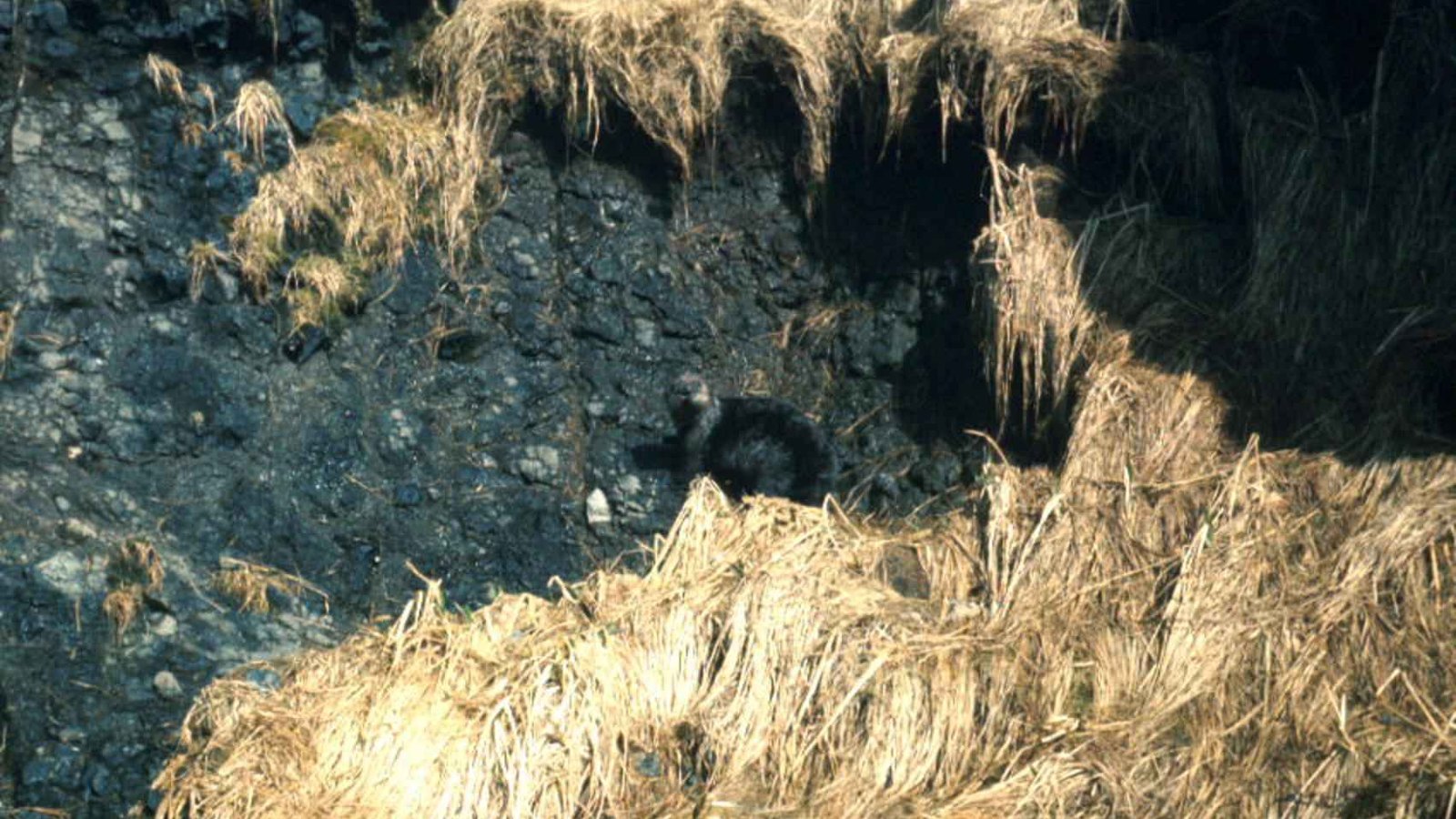
The renewal maintains existing reporting and specimen registration requirements without substantive changes. Under Section 101(b) and Section 109(i) of the Marine Mammal Protection Act of 1972 (MMPA; 16 U.S.C. 1361 et seq.), the Secretary of the Interior regulates mandatory marking, tagging, and reporting for Alaska Natives harvesting polar bears (Ursus maritimus), Pacific walruses (Odobenus rosmarus divergens), and northern sea otters (Enhydra lutris kenyoni) for subsistence or handicraft purposes. The system also governs how non-Native collectors, researchers, and museums register opportunistically salvaged marine mammal hard parts.
The submission follows an initial 60-day notice published on May 29, 2026 (91 FR 32084; Docket No. FWS-R7-MB-2026-1882), which closed July 28, 2026. Two public comments were received, but neither addressed information collection requirements, allowing FWS to advance the renewal package unchanged.
Key details
The information collection package covers four Service forms administered under the Alaska Marine Mammals Management Marking, Tagging, and Reporting Program (MTRP):
- Form 3-2414 (Polar Bear Tagging Certificates): Documents harvest date, location coordinates, tag numbers, sex verification, skull dimensions, cub counts, body condition, research marks, conflict status, and collected biological samples (teeth, hair, skin, liver, fat, muscle, baculum).
- Form 3-2415 (Walrus Tagging Certificates): Tracks harvest location, date, age, sex, and tusk dimensions. Wire tags are affixed to tusks, classifying takes as subsistence kills or salvaged beach-found animals to verify raw ivory provenance.
- Form 3-2416 (Sea Otter Tagging Certificates): Records harvest date, geographic coordinates, tag numbers, permit identifiers, sex, age class, pod size, and voucher specimens collected (teeth, muscle vials, whiskers, carcasses).
- Form 3-2406 (Non-Native Marine Mammal Certificates): Enforces reporting mandates under 50 CFR Part 18 (specifically 50 CFR 18.26). Non-Native individuals, researchers, and salvage collectors finding dead marine mammal hard parts must register them with an authorized tagger within 30 days.
The operational scope, respondent burden, and reporting volume detailed in the federal submission include:
| Regulatory Instrument | Form Designation | Target Respondent Category | Estimated Response Time | Reporting Purpose and Scope |
|---|---|---|---|---|
| Polar Bear Tagging Certificate | FWS Form 3-2414 | Alaska Native subsistence hunters | 15 minutes | Harvest monitoring, tissue sampling, and conflict reporting |
| Walrus Tagging Certificate | FWS Form 3-2415 | Subsistence hunters and salvage collectors | 15 minutes | Ivory tracking, tusk measurements, and mortality classification |
| Sea Otter Tagging Certificate | FWS Form 3-2416 | Subsistence harvesters and taggers | 15 minutes | Population cohort modeling and biological sample tracking |
| Non-Native Marine Mammal Certificate | FWS Form 3-2406 | Researchers, museums, and beach collectors | 15 minutes | 30-day legal registration of beach-found bones, teeth, and ivory |
| Program Aggregate Totals | All Four Forms | 370 Annual Respondents | 15 min / response | 2,027 responses; 507 annual burden hours; $0 nonhour cost |
Under official U.S. Fish and Wildlife Service beach-found guidance, legal collection without a dedicated scientific permit is strictly limited to hard parts—bones, teeth, and ivory—found within one-quarter mile of the ocean. Soft tissues cannot be retained, and title to registered parts is non-transferable without written federal authorization.
Background and context
The statutory foundation for the MTRP stems from Section 109(i) of the MMPA, enacted to monitor Alaska Native subsistence takes while preventing illegal commercial trade in marine mammal parts. Section 101(b) exempts coastal Alaska Natives from the statutory take moratorium for subsistence and authentic native handicrafts, subject to federal marking regulations.
Harvest certificates provide vital empirical data for federal stock assessment reports (SARs) and population demographic models. The Marine Mammal Commission, which conducts independent scientific oversight of federal conservation initiatives (Marine Mammal Commission polar bear oversight), has consistently emphasized that harvest monitoring provides irreplaceable demographic insights for remote Arctic populations that are difficult to survey systematically.
These reporting frameworks operate across northern large marine ecosystems, including the Chukchi, Beaufort, and Bering Seas. Rapidly retreating seasonal sea ice has altered hunting patterns, marine mammal body condition, and coastal stranding frequencies. By cross-referencing tagging certificates with environmental observations, population biologists can track how changing sea ice regimes affect cohort recruitment, nutritional health, and defense-of-life interactions across Arctic communities.
Reaction
Service administrators noted in the filing that standardized tagging balances paperwork reduction goals with vital conservation oversight, providing essential data on harvest rates and cohort mortality without overburdening coastal communities.
Scientific organizations emphasize the immense research utility of biological vouchers collected through tagging certificates. Ethical guidelines maintained by professional bodies, including the Society for Marine Mammalogy guideline for treatment of marine mammals, encourage the non-invasive sampling and maximal scientific utilization of salvaged remains. Tissues and teeth gathered under Forms 3-2414 and 3-2416 provide baselines for genomic, toxicological, and dietary studies that would otherwise require invasive capture operations.
Natural history museum curators emphasize that Form 3-2406 provides essential legal protection. While the 30-day registration window demands prompt field action, official tagging certificates establish the lawful chain of custody required to house osteological specimens without regulatory risk.
What it means for researchers, universities, and research offices
The reauthorization of OMB Control Number 1018-0066 carries clear compliance obligations for universities, museum repositories, and Arctic researchers:
- Specimen Curation and Custody: Academic museums and osteological collections housing marine mammal skulls, teeth, or bones must verify that every biospecimen from Alaska has an official Form 3-2406 certificate and physical tag. Possessing unregistered parts violates federal law under 50 CFR 18.11.
- 30-Day Registration Window: Field expeditions encountering dead marine mammal remains on Alaska shorelines must register bones, teeth, or ivory with an authorized local tagger or FWS officer within 30 days of discovery.
- Data Infrastructure and Provenance: Biological vouchers gathered alongside harvest monitoring must retain their MTRP certificate numbers across all laboratory analyses. When submitting morphological or sequencing datasets to an institutional data repository, researchers must include certificate IDs as foundational metadata for robust data curation.
- Compliance Review and Animal Ethics: Sponsored research offices must ensure field projects differentiate between opportunistic salvage and targeted sampling. Studies utilizing harvested tissues must maintain a formal ethics approval statement confirming all materials trace to legally tagged and registered specimens.
- Non-Transferable Specimen Title: Because title to beach-found parts under 50 CFR 18.26 is non-transferable, museums cannot loan, trade, or transfer registered specimens to other institutions without prior written consent from the FWS Regional Director.
What happens next
Following public inspection filing, formal publication occurs in the Federal Register on November 24, 2026, opening a 30-day comment window ending in late December 2026.
Comments on OMB Control Number 1018-0066 may be submitted through the Office of Information and Regulatory Affairs portal at reginfo.gov, with copies sent to the FWS Information Collection Clearance Officer at [email protected].
After reviewing public submissions and evaluating the estimated 507 annual burden hours across 2,027 responses, OMB is expected to approve a three-year extension, ensuring uninterrupted operation of the Service’s marine mammal marking and specimen registration programs.
Sources
- Federal Register: Agency Information Collection Activities; Proposals, Submissions, and Approvals: Marine Mammal Marking, Tagging, and Reporting Certificates, and Registration of Certain Dead Marine Mammal Hard Parts, checked 2026-11-23
- Electronic Code of Federal Regulations: Title 50, Part 18 — Marine Mammals, checked 2026-11-23
- U.S. Fish and Wildlife Service: Beach Found Marine Mammal Parts FAQ, checked 2026-11-23
- Marine Mammal Commission: Polar Bear Research and Conservation, checked 2026-11-23
- Society for Marine Mammalogy: Guideline for Treatment of Marine Mammals in Field Research, checked 2026-11-23






