
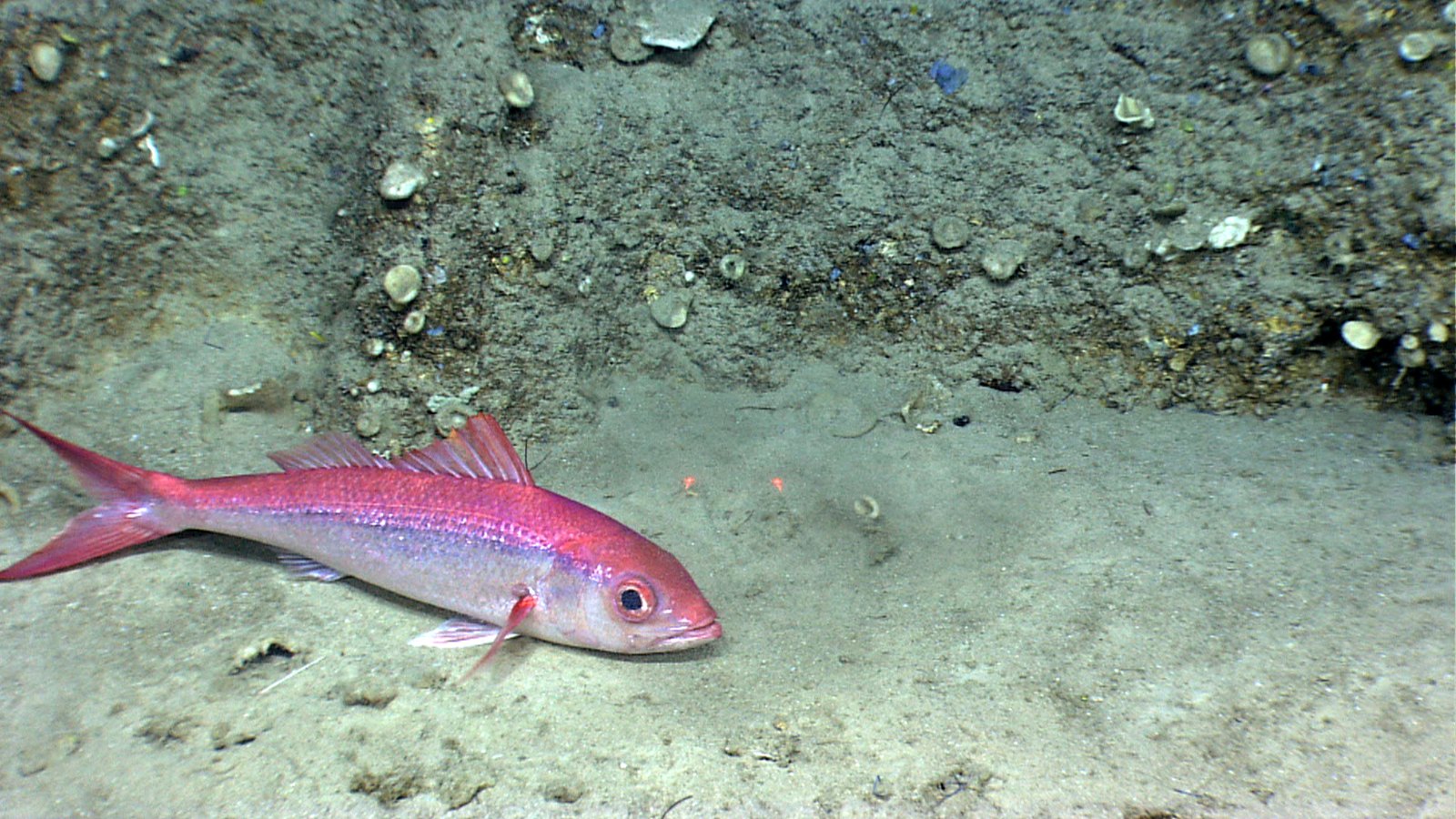
On November 25, 2026, NOAA Fisheries and the South Carolina Department of Natural Resources announced a 31-day December recreational red snapper season across South Carolina waters under an Exempted Fishing Permit framework. The cooperative research initiative pairs expanded winter harvest access in federal waters with mandatory electronic catch reporting and biological carcass sampling to resolve persistent data gaps in South Atlantic stock assessments.
What happened
Federal and state fishery regulators authorized a continuous 31-day recreational red snapper (Lutjanus campechanus) season from December 1 through December 31, 2026, across the Exclusive Economic Zone off South Carolina. The decision by NOAA Fisheries Southeast Regional Office approves an extension of South Carolina’s state-led Exempted Fishing Permit (EFP) pilot project, granting recreational anglers an additional offshore window following severe autumn weather disruptions.
As reported by South Carolina Public Radio, the initial 14-day EFP opening in October saw depressed harvest numbers because prolonged rough seas, gale-force winds, and heavy swells prevented offshore vessels from safely operating. Following an empirical harvest review in mid-November, the South Carolina Department of Natural Resources (SCDNR) verified that only a fraction of the state’s allocated experimental limit of 19,253 red snapper had been landed.
Under the revised arrangement, private vessels and federally permitted for-hire charter boats may harvest red snapper throughout December, provided they adhere to electronic trip declarations, mandatory digital harvest reporting, and state biological sampling. In state waters out to three nautical miles, recreational harvest remains open year-round under baseline rules allowing one fish per person daily at a 20-inch minimum size.
Key details and harvest framework
Anglers participating in federal waters must register under the state’s research permit system. Fishermen must obtain a free South Carolina Red Snapper Experimental Permit via GoOutdoorsSC prior to departing. Anglers who acquired permits during the October opening remain registered and do not need to reapply for December.
The research protocol establishes technical data requirements designed to capture comprehensive harvest metadata while reducing release mortality:
- Trip Declarations: Vessel operators must submit an electronic trip notification up to five days prior to departure through the VESL mobile or web platform.
- Digital Catch Reports: Anglers must log completed catch reports within 24 hours of landing, detailing retained fish, live and dead discards, primary fishing depth, and total angler hours.
- Gear and Barotrauma Mandates: Vessels targeting snapper-grouper species must carry a functioning descending device rigged and ready for deployment, alongside non-offset circle hooks.
- Biological Sampling: Anglers are encouraged to donate filleted carcasses at SCDNR coastal freezers to support age, growth, and reproductive research.
The administrative rules and research criteria are maintained by NOAA Fisheries under South Atlantic cooperative research authorizations.
The table below compares standard federal management against the South Carolina December 2026 EFP framework:
| Management Dimension | Standard Federal Baseline | South Carolina December 2026 EFP |
|---|---|---|
| Open Harvest Window | 1 day (July 10, 2026) | 31 days (December 1 to December 31, 2026) |
| Jurisdictional Scope | South Atlantic EEZ (3 to 200 nm) | South Carolina federal EEZ waters |
| Daily Bag Limit | 1 fish per person per day | 1 fish per person per day |
| Minimum Size Limit | No federal minimum size | 20 inches (51 cm) total length |
| Reporting Obligation | Random MRIP survey sampling | Mandatory 100% census via VESL within 24 hours |
| Trip Notification | None required | Mandatory pre-trip declaration up to 5 days prior |
| Permit Requirement | Standard saltwater license | Saltwater license plus free SC Experimental Permit |
| Biological Sampling | Voluntary opportunist collection | Dedicated freezer depot network and dockside intercept |
Background and context
Management of South Atlantic red snapper has remained challenging for more than a decade. The South Atlantic Fishery Management Council (SAFMC) oversees the snapper-grouper complex under the Magnuson-Stevens Fishery Conservation and Management Act (16 U.S.C. 1801 et seq.). Even as population abundance expanded across survey indices, high discard mortality from out-of-season encounters triggered restrictive accountability measures, limiting federal recreational fishing to single-day or weekend openings.
To address dissatisfaction with compressed summer derbies, state wildlife agencies in Florida, Georgia, and South Carolina pursued cooperative research exemptions under 50 CFR 600.745(b). The legal framework was published in the Federal Register (91 FR 51467, Docket NOAA-NMFS-2026-2245), outlining state-led pilot programs to evaluate electronic reporting.
Implementation followed extensive administrative and legal proceedings. In May 2026, initial state EFPs were challenged in federal court, leading to a preliminary injunction in Southeastern Fisheries Association, Inc. v. Lutnick and subsequent rescission on June 26. Participating state agencies addressed judicial inquiries and resubmitted refined proposals on July 10, establishing enhanced verification standards and state-federal compliance checking protocols to ensure total removals remained within biological limits set by Secretarial Amendment 59.
Reaction and stakeholder perspectives
SCDNR Marine Resources Division officials highlighted that pairing recreational harvest with reporting requirements creates a win-win structure that engages anglers in scientific research. Biologists stressed that winter-season metrics offer unique value, as catch rates, water temperatures, and depth distributions diverge significantly from summer conditions.
Charter captains and angling associations welcomed the 31-day window, noting that extended seasons eliminate the dangerous derby mentality of single-day openings. During one-day seasons, boaters often travel far offshore in hazardous seas rather than forfeit their annual access. Multi-week windows allow vessel operators to select favorable marine conditions, enhancing offshore safety.
Conservation and commercial fishing analysts emphasized that state-managed EFPs must maintain strict accountability. While supporting electronic reporting, analysts stressed that self-reported application data requires validation against dockside intercepts. NOAA Fisheries noted that SCDNR law enforcement officers will inspect coastal boat ramps, marinas, and offshore grounds to confirm landed fish correspond with submitted electronic logs.
What it means for researchers, universities and research offices
The December mini-season provides critical operational benefits and scientific data streams for academic institutions across the Southeast:
- Stock Assessment Datasets: University fisheries laboratories at Clemson University, the University of South Carolina, and the College of Charleston gain access to vessel-level catch-per-unit-effort figures and spatial data to calibrate regional abundance models.
- Life-History and Otolith Analysis: Donated fish carcasses enable biologists to extract otoliths (ear bones) for age determination and evaluate winter gonadal histology to examine reproductive cycling.
- Data Management Protocols: Research teams analyzing EFP datasets must adhere to structured data handling frameworks, aligning projects with institutional data management plan guidelines.
- Repository Integration: Marine ecological records generated through cooperative state-federal partnerships can be published through shared platforms like the Environmental Data Initiative repository, supporting transparent interdisciplinary research.
- Grant Compliance Governance: University sponsored research offices overseeing NOAA Saltonstall-Kennedy or Marine Fisheries Initiative grants must ensure field protocols comply with state EFP authorizations and animal care standards.
What happens next
The South Carolina recreational season opens at 12:01 a.m. local time on December 1, 2026, and concludes at 11:59 p.m. on December 31, 2026. Anglers must confirm their South Carolina saltwater license and free experimental permit are current prior to fishing.
Following the December 31 closure, SCDNR will assemble electronic VESL logs, dockside intercept tallies, and biological carcass measurements into a synthesized EFP progress report for submission to the NOAA Southeast Fisheries Science Center in early 2027.
Results from South Carolina’s pilot program, together with parallel findings from Georgia and Florida, will guide the South Atlantic Fishery Management Council in developing permanent state-led management amendments for the 2027 and 2028 fishing years.
Sources
- South Carolina Department of Natural Resources: SCDNR – Marine Information, checked 2026-11-26
- NOAA Fisheries: South Atlantic Red Snapper State Data Collection and Management Exempted Fishing Permits, checked 2026-11-26
- Federal Register: Snapper-Grouper Fishery of the South Atlantic; Requests for Exempted Fishing Permits, checked 2026-11-26
- South Carolina Public Radio: NOAA: South Carolina will have a second red snapper season this year, checked 2026-11-26






