
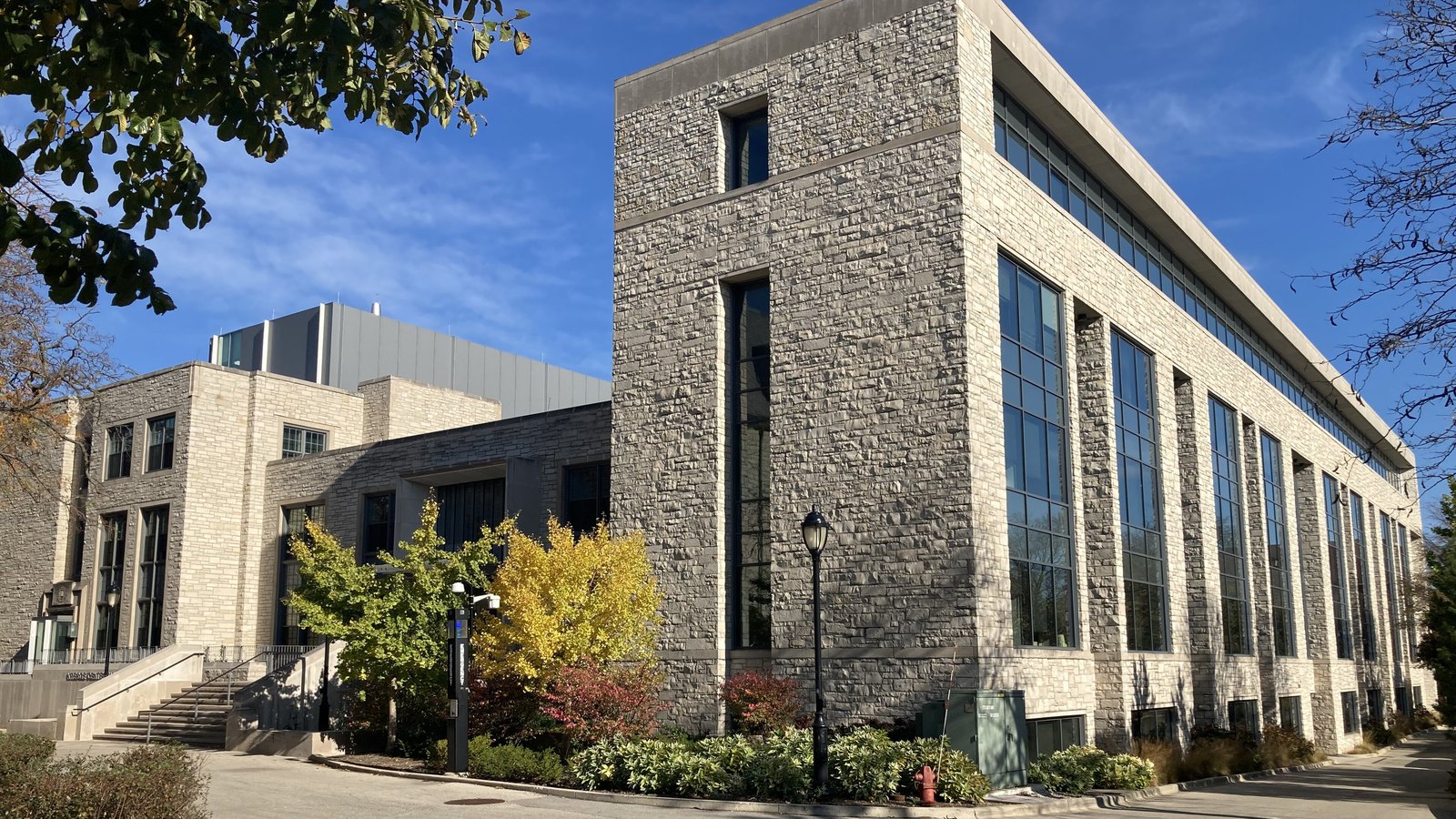
Non-tenure-eligible and adjunct faculty at Northwestern University in Evanston, Illinois voted overwhelmingly in mid-November 2026 to form a collective bargaining unit affiliated with the Illinois Federation of Teachers, securing an official collective voice across six undergraduate-serving schools. The decisive election reshapes employment governance across the institution, carrying direct consequences for sponsored project staffing, instructional stability, and academic research administration.
What happened in the Northwestern faculty union vote
In a secret-ballot election administered by the National Labor Relations Board, contingent faculty at Northwestern University voted 247 in favor to 55 against to form the United Academics of Northwestern University (UANU). According to the official election announcement released by the Illinois Federation of Teachers, the outcome establishes a formal bargaining unit covering more than 600 non-tenure-eligible teaching, clinical, and adjunct faculty members across the university’s Evanston campus.
The two-day election concluded an organizing campaign that gathered momentum throughout 2025 and 2026. Following the university administration’s decision not to grant voluntary recognition, union organizers filed their election petition with NLRB Region 13 in Chicago. The resulting tally delivered an 81.8% majority among counted ballots, comfortably surpassing the statutory threshold for certification.
The newly formed unit brings instructional faculty, clinical professors, artists-in-residence, and lecturers under the 105,000-member Illinois Federation of Teachers, an affiliate of the American Federation of Teachers (AFT) and the American Association of University Professors (AAUP). The vote reflects an accelerating trend across private research universities, where non-tenure-track educators are organizing to secure legally binding agreements on compensation, appointment security, and academic freedom.
Key details of the bargaining unit and election tally
As documented in reporting by Hoodline, the bargaining unit encompasses contingent educators across six schools: the Weinberg College of Arts and Sciences, the McCormick School of Engineering and Applied Science, the Medill School of Journalism, Media, Integrated Marketing Communications, the Bienen School of Music, the School of Communication, and the School of Education and Social Policy.
The voter pool reflected faculty delivering core undergraduate curricula and specialized laboratory courses. The table below summarizes the election metrics certified through the NLRB proceedings.
| Metric | Count / Status | Institutional Scope |
|---|---|---|
| Eligible Voters | 625 faculty members | Instructional, clinical, and adjunct ranks across six schools |
| Ballots Cast in Favor (Yes) | 247 votes (81.8%) | United Academics of Northwestern University (UANU / IFT) |
| Ballots Cast Against (No) | 55 votes (18.2%) | Against collective bargaining representation |
| Challenged Ballots | 23 ballots | Unopened due to decisive margin of victory |
| Participating Academic Units | 6 schools | Weinberg, McCormick, Medill, Bienen, Communication, SESP |
| Parent Affiliation | IFT / AFT / AAUP | Statewide affiliate representing 105,000 education professionals |
The unit covers full-time and part-time non-tenure-eligible faculty with active instructional duties. Excluded from the unit are tenured faculty, tenure-track faculty, managerial supervisors, post-doctoral scholars on pure research fellowships, and faculty based at Northwestern’s Chicago campus in the Feinberg School of Medicine and Pritzker School of Law.
Background and earlier unionization efforts
The November 2026 election follows a decade of organizing efforts at Northwestern. In June 2016, non-tenure-eligible faculty filed an NLRB petition to affiliate with Service Employees International Union (SEIU) Local 73 under its national Faculty Forward initiative. That effort became mired in protracted legal challenges over whether instructional faculty held managerial status, leaving dozens of contested ballots impounded.
When the NLRB finally resolved the remaining challenges and opened the sealed ballots in October 2018, the SEIU Local 73 effort fell short by a narrow tally of 242 against to 231 in favor. Following that outcome, faculty continued advocating through the Faculty Senate, seeking policy improvements regarding salary compression and multi-year renewals.
Broader workforce shifts renewed organizing momentum between 2024 and 2026. Research from the American Association of University Professors shows that contingent faculty now hold more than two-thirds of American academic appointments, facing short appointment cycles and limited institutional voice. In September 2026, hundreds of faculty rallied at The Rock on Northwestern’s Evanston campus under the banner “United in Our Work, Solid as the Rock,” publicly launching the UANU campaign affiliated with the IFT.
Reaction from faculty organizers and union leadership
Organizers welcomed the outcome as a pivotal advance for instructional stability and shared governance. Stacy Benjamin, a clinical professor in the Segal Design Institute within the McCormick School of Engineering, emphasized that collective representation directly strengthens student education.
“Over the past few years, teaching faculty from across campus came together and discovered how much we share, including a deep commitment to Northwestern and its students,” Benjamin stated after the count. “Now we have a seat at the table to make sure the people in the classroom will help shape the conditions in which our students learn. We look forward to working with the administration to give the faculty greater stability and support to keep innovating in our teaching.”
Esbi West, an associate professor of instruction in gender and sexuality studies, highlighted the equity dimensions of the vote. “This victory demonstrates that Northwestern University NTE and adjunct faculty not only feel a deep level of solidarity, but are powerfully effective at coming together and working toward the more equitable workplace we all deserve,” West noted, pointing out that women faculty nationwide are disproportionately represented in contingent roles.
IFT President Stacy Davis Gates praised the educators for organizing an independent collective voice, emphasizing that union protections defend academic freedom and support international scholars. Steph Knezz, a faculty member in chemistry, added that establishing an official channel enables frontline instructors to collaborate with administration on sustainable academic policies.
What it means for researchers, universities and research offices
The establishment of a unionized faculty unit alters operational workflows across academic departments, human resources offices, and sponsored project administration. While traditional academic tenure policies established protections primarily for research-focused tenure lines, non-tenure-track faculty frequently oversee laboratory courses, supervise specialized research facilities, and co-direct sponsored awards.
For sponsored research administrators and departmental business officers, the transition introduces structured considerations across several operational areas:
- Appointment Durations and Grant Staffing: Contingent faculty frequently hold annual or term-limited appointments, creating staffing instability across multi-year research awards. Standardized multi-year contracts provide predictable personnel continuity for sponsored projects.
- Principal Investigator Eligibility: While universities historically limit principal investigator status to tenure-line scholars, non-tenure faculty often seek PI or co-PI designation on instructional innovation and community-partnered grants. Bargaining agreements often clarify formal institutional criteria for proposal submissions.
- Salary Floors and Budget Calculations: Sponsored program officers must incorporate mandatory wage floors, scheduled increments, and standardized compensation structures into proposal cost projections, reducing the need for post-award grant rebudgeting and personnel cost structures.
- Workload and Effort Certification: Negotiated boundaries between instruction, service, and administrative duties streamline compliance with federal effort reporting and payroll certification under 2 CFR 200 Uniform Guidance.
Department administrators must also observe formal contract renewal deadlines—typically requiring notice several months prior to appointment expiration—which affects academic course scheduling and departmental budgeting cycles.
What happens next
Following the election tally, the NLRB regional director will issue a formal certification of representative, establishing UANU as the exclusive bargaining agent for the designated non-tenure-eligible faculty unit. The university administration and union representatives are required under the National Labor Relations Act to bargain in good faith.
Faculty organizers will draft governing bylaws and elect a representative bargaining committee drawn from instructional, clinical, and adjunct ranks across the six schools. The committee will survey members to identify core bargaining priorities, including base salary scales, multi-year contracts, health benefits, promotion paths, and academic freedom safeguards.
Once bargaining priorities are finalized, UANU will deliver a formal notice to open negotiations to Northwestern University leadership. First-contract negotiations at major private universities typically begin within several months of certification and proceed through 2027.
Sources
- Illinois Federation of Teachers: Northwestern Faculty Overwhelmingly Vote YES to Form United Academics of Northwestern University, checked 2026-11-24
- Hoodline: Northwestern University Faculty Vote to Form Union, checked 2026-11-24
- National Labor Relations Board: Recent Election Results, checked 2026-11-24
- American Association of University Professors: Contingent Appointments and the Academic Profession, checked 2026-11-24






