
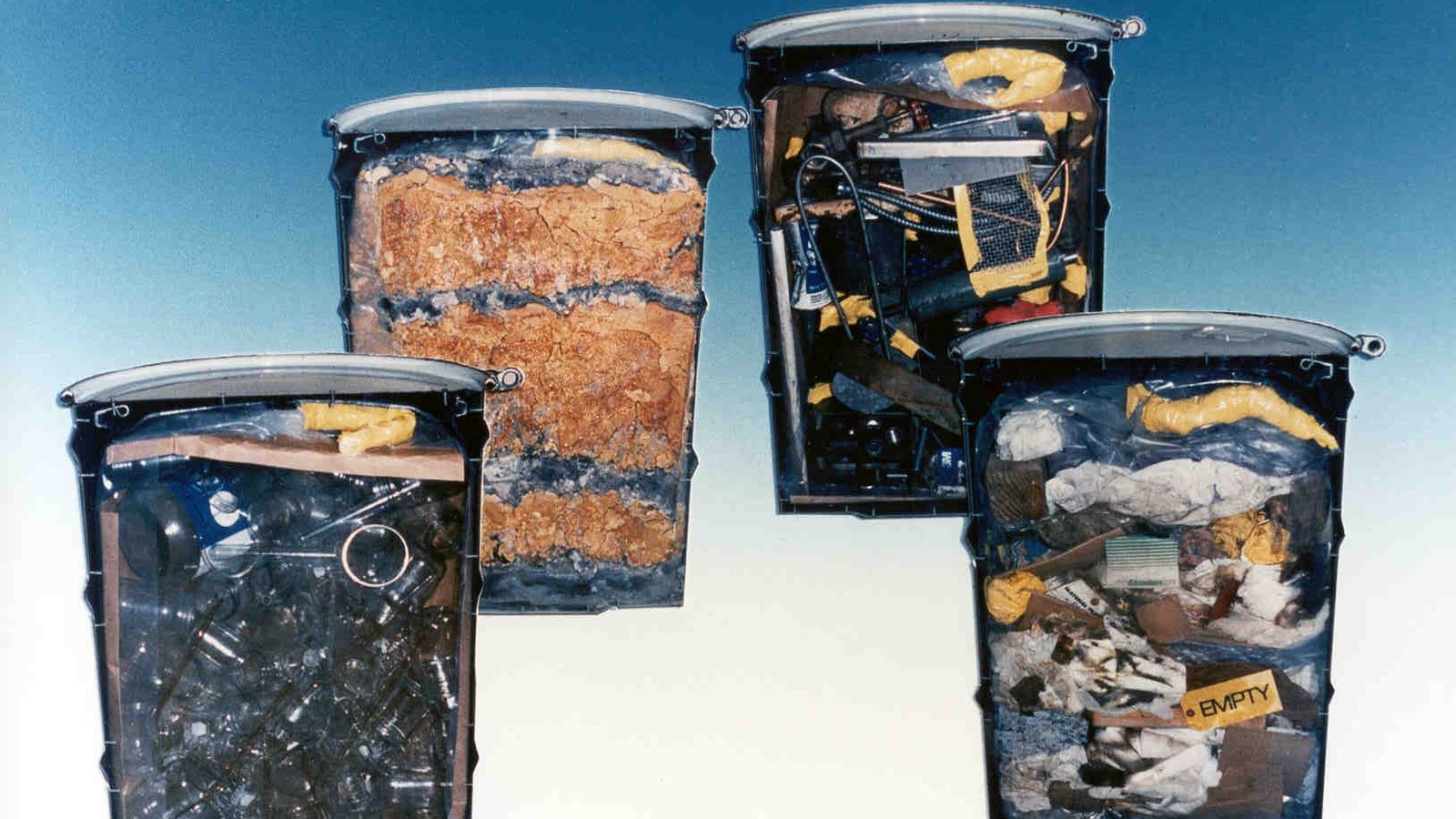
On November 26, 2026, UK Nuclear Waste Services released its latest National Waste Programme report, the Waste Metric Dashboard: November 2026, recording radioactive waste diversion and volume reduction across civil decommissioning sites. The monthly dataset details diversion volumes away from the Low Level Waste Repository, thermal treatment milestones, supercompaction yields, and disposal inventories that directly shape nuclear decommissioning operations, university radiochemistry laboratories, and national research infrastructure.
National Waste Programme Publishes November 2026 Diversion Metrics
Nuclear Waste Services (NWS), an operating company within the Nuclear Decommissioning Authority (NDA) group, published the November 2026 edition of its Waste Metric Dashboard to record operational progress across the UK civil nuclear estate. The release tracks year-to-date waste processing volumes across licensed nuclear sites, including Sellafield, Nuclear Restoration Services (NRS) locations, the dedicated NWS repository site in Cumbria, and the Dounreay restoration site in Scotland. The report highlights ongoing efforts to redirect low-activity radioactive arisings away from permanent vault disposal through recycling, incineration, and specialized waste treatment pathways.
According to the published figures, the National Waste Programme diverted 1,229 tonnes of metallic radioactive waste and 1,862 cubic meters of combustible waste through specialized treatment routes year-to-date. Metallic waste streams undergo abrasive cleaning, chemical decontamination, and high-temperature metallurgical smelting, allowing clean metals to be recycled into commercial supply chains. Combustible materials are routed to licensed thermal incineration facilities, achieving volume reduction factors often exceeding 90 percent. Diverting these fractions preserves finite engineered disposal capacity at the Low Level Waste Repository (LLWR) near Drigg in Cumbria, the UK principal facility for solid low level radioactive waste disposal.
Decommissioning Waste Volumes and Treatment Breakdown
The detailed operational statistics published in the Waste Metric Dashboard November 2026 HTML Data Report provide an itemized breakdown of diverted volumes, volume-reduction treatments, and disposal packaging across UK nuclear operators:
| Diversion / Disposal Route (YTD) | Sellafield | NRS Ltd | NWS Site | Dounreay Site | NDA Total |
|---|---|---|---|---|---|
| Metallic Waste Diverted (te) | 1060 | 159 | 5 | 5 | 1229 |
| Combustible Waste Diverted (m³) | 1677 | 185 | 0 | 0 | 1862 |
| Very Low Level Waste (VLLW) Diverted (m³) | 787 | 217 | 180 | 173 | 1357 |
| Supercompactable Waste Treated (m³) | 457 | 0 | 0 | 143 | 601 |
| LLW Disposal (Engineered Containers) | 7 | 0 | 0 | 29 | 36 |
| ILW to LLW Reclassification (m³) | 0 | 0 | 0 | 0 | 0 |
Sellafield accounted for the largest share of diverted arisings, delivering 1,060 tonnes of metal decontamination and 1,677 cubic meters of combustible processing. Dounreay accounted for 29 of the 36 engineered container disposal consignments dispatched to permanent vaults, alongside 143 cubic meters of supercompacted solid waste. Very Low Level Waste (VLLW) diversion reached 1,357 cubic meters across the four reporting units, allowing lightly contaminated materials to be routed to permitted industrial disposal facilities instead of high-specification vaults. No Intermediate Level Waste (ILW) volume was reclassified as Low Level Waste during this period, reflecting strict radionuclide inventory characterization thresholds.
Statutory Mandate, NDA Governance, and Geological Disposal Policy
The policy framework governing radioactive waste management stems directly from statutory obligations in the Energy Act 2004 Part 1 Chapter 1, which created the Nuclear Decommissioning Authority to oversee the decommissioning and cleanup of civil nuclear sites. Nuclear Waste Services was formed in 2022 by combining LLW Repository Ltd, Radioactive Waste Management Limited, and NDA group strategy functions into a single delivery organization.
A core mission outlined by the Nuclear Decommissioning Authority is the delivery of a Geological Disposal Facility (GDF) for the permanent, passive isolation of Higher Activity Waste (HAW). While the Waste Metric Dashboard tracks operational diversion at lower activity tiers, diversion is critical to preserving repository capacity and managing budgets while deep geological characterization proceeds in search areas across Cumbria and Lincolnshire. Geological disposal involves placing packaged intermediate- and high-level wastes deep underground within engineered barrier systems inside stable geological formations.
For laboratory and site facilities handling hazardous residues, radioactive management intersects with broader industrial waste rules. Operations teams frequently consult standard procedures for evaluating hazardous waste disposal companies to ensure vendors hold valid environmental permits. Facilities producing complex residues also evaluate mixed waste regulatory controls to reconcile radiological licensing with environmental protection regulations.
Regulatory Oversight and Civil Nuclear Safety Standards
Operational execution across all reporting sites is regulated by the UK independent nuclear regulator. Under statutory responsibilities detailed by the Office for Nuclear Regulation (ONR), inspectors enforce radioactive waste management arrangements, license conditions, and packaging safety under the Nuclear Installations Act 1965 and Energy Act 2013. The ONR coordinates with the Environment Agency in England and the Scottish Environment Protection Agency in Scotland to regulate environmental discharges, storage durations, and transport compliance.
Operators must demonstrate that every consigned package complies with repository Waste Acceptance Criteria (WAC) before shipment. Compliance requires radiometric assay, radionuclide fingerprinting, and rigorous quality assurance to prevent non-conforming packages from entering disposal vaults. The zero ILW reclassification reported in November underscores the strict evidence thresholds required by safety case assessments and regulatory inspectors.
Implications for University Research Facilities and Nuclear Consortia
Although the dashboard focuses on commercial decommissioning sites, national waste allocation directly impacts universities, medical physics centers, and radiochemistry research facilities. Higher education laboratories operating accelerators, neutron sources, and radiolabeling units generate low volumes of LLW and VLLW, including contaminated glassware, protective equipment, and scintillation media.
Because academic laboratories lack dedicated supercompaction or smelting facilities, they consign waste through national brokerage frameworks. Campus environmental health teams must maintain disciplined procedures comparable to formal sample chain of custody tracking in research labs to document radioisotope inventories and package manifests. Furthermore, escalating treatment costs highlight the importance of reviewing what drives hazardous waste disposal costs, encouraging departments to adopt decay-in-storage and waste minimization techniques.
Academic consortia such as TRANSCEND (Transformative Science and Engineering for Nuclear Decommissioning), supported by the Engineering and Physical Sciences Research Council (EPSRC) and the NDA, supply essential research for NWS disposal programs. University researchers analyze cementitious grout durability, radionuclide migration in host rocks, and container corrosion mechanisms to validate the long-term safety of geological disposal.
Next Steps for National Inventory Audits and Repository Planning
Following this November release, Nuclear Waste Services will incorporate monthly metrics into the national inventory database, informing the triennial UK Radioactive Waste Inventory update. Nuclear operators will submit updated waste stream forecasts and decommissioning milestones to refine long-term baseline projections.
In parallel, GDF community partnership evaluations and technical site investigations will advance. Facility managers and university radiation protection officers should monitor upcoming technical guidance from the National Waste Programme to align local waste management with national diversion targets.
Sources
- UK Nuclear Waste Services: Waste Metric Dashboard: November 2026, checked 2026-11-26
- UK Nuclear Waste Services: Waste Metric Dashboard November 2026 HTML Data Report, checked 2026-11-26
- UK Legislation: Energy Act 2004 Part 1 Chapter 1 — Nuclear Decommissioning Authority, checked 2026-11-26
- Office for Nuclear Regulation: What We Regulate — Nuclear Safety and Radioactive Waste Management, checked 2026-11-26
- Nuclear Decommissioning Authority: About the Nuclear Decommissioning Authority, checked 2026-11-26






