
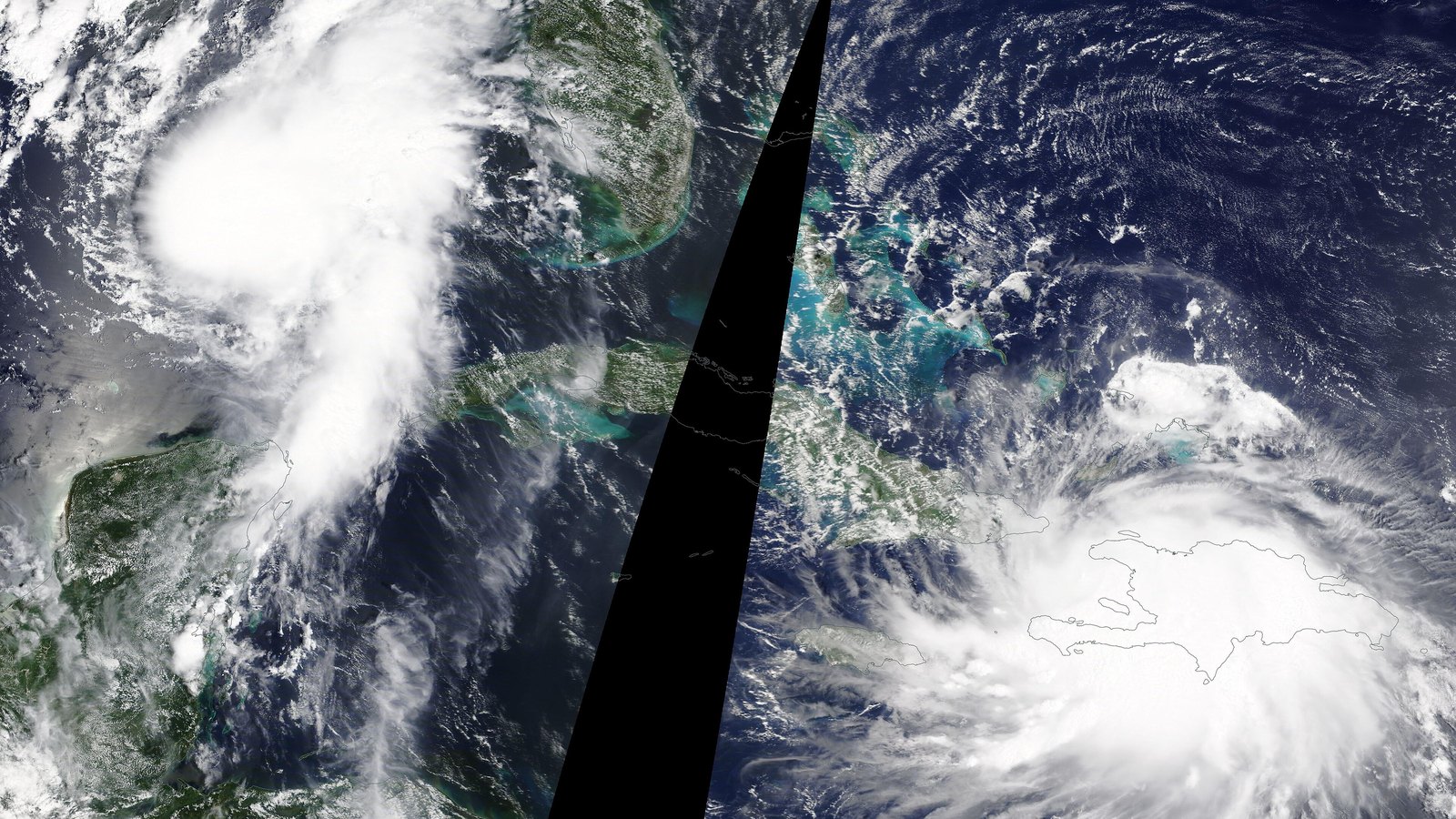
NASA announced on 17 November 2026 that its Terra Earth-observing satellite will stop collecting science data on 1 December, ending a 27-year mission that was designed to last six years. The Terra team will then lower the spacecraft’s orbit with its remaining fuel and power off all systems in January 2027, while NASA says Terra’s data records will stay free and public.
What happened
In a NASA Science post dated 17 November 2026, the agency said Terra, a workhorse of the Earth Observing System, will stop collecting science data on 1 December after more than four times its designed six-year life. NASA gave two reasons: the spacecraft’s systems are aging and its orbit is drifting.
The decommissioning has two stages. According to NASA, the Terra team will use the remaining fuel to lower the orbit before powering off all spacecraft systems in January 2027. NASA Watch reported the same schedule on 18 November, and Environmental Industry Journal and Aviation Week carried the announcement on 17 and 18 November.
Key details
Terra launched from Vandenberg Air Force Base on 18 December 1999 as the flagship of NASA’s Earth Observing System. NASA Watch describes a spacecraft about the size of a small school bus that has circled the planet more than 100,000 times and carries five instruments from the United States, Japan and Canada. It reports that Terra data have been cited in more than 27,000 scientific publications. NASA says the data have informed decisions on public safety, agriculture and water resources, along with commercial, societal and humanitarian applications.
| Instrument | What it measured, as described by NASA Watch |
|---|---|
| MODIS (Moderate Resolution Imaging Spectroradiometer) | Four months of data formed NASA’s 2002 Blue Marble image; watched the Larsen B ice shelf break apart in early 2002; near real-time fire maps relied on by wildfire crews |
| CERES (Clouds and the Earth’s Radiant Energy System) | Has tracked Earth’s energy balance since 2000 |
| ASTER (Advanced Spaceborne Thermal Emission and Reflection Radiometer) | Built a global elevation map covering 99 percent of Earth’s land surface |
| MISR (Multi-angle Imaging SpectroRadiometer) | Measured how high smoke from wildfires and volcanoes rose |
| MOPITT (Measurements of Pollution in the Troposphere) | Canada’s instrument; produced the longest space-based record of carbon monoxide, showing global levels falling over two decades |
NASA states that MOPITT and parts of CERES and ASTER had previously been shut off to conserve power, and NASA Watch dates the MOPITT shutdown to April 2025.
Background and context
Keeping Terra running for 27 years took repeated fixes. NASA Watch reports that a likely micrometeoroid or debris strike in October 2009 knocked out a battery cell and several heater circuits, and engineers kept the battery warm using its own charge and discharge cycles. Flight teams also turned the spacecraft to view deep space in 2003 and 2017 to check instrument calibration.
Terra is one of the satellites behind the long records that researchers use for land-cover change, atmospheric composition and ice cover. Casrai’s guides cover the main routes into that data, including NASA Earthdata and the MODIS instrument family, and the wider field is explained in what remote sensing is.
Reaction
NASA Watch said in its commentary that Terra was built for six years and gave NASA 27, and that there can be few Earth scientists who have not worked with its data. It credited the operations team at NASA’s Goddard Space Flight Center and the partners in Japan and Canada who kept the satellite working long after anyone expected. Aviation Week, reporting from Houston, attributed the decision to aging instrumentation and orbital drift, as NASA said.
What it means for researchers, universities and research offices
The end date is fixed for new observations. Groups whose time series run on Terra instruments will have no data from 1 December, so analysis windows, validation campaigns and field-data matchups that were planned around Terra overpasses need a new end point in the project plan. Because NASA says the archive stays free and public, retrospective work on existing Terra products is not affected by the decommissioning.
Research offices can use the 27,000-publication figure reported by NASA Watch as a reminder of how many funded projects touch this record. Grant applications and data management plans that name a Terra product as an ongoing data source should be checked for wording that assumes continued collection. Projects that hold their own derived Terra datasets can look at the practices in the casrai guide on data rescue and preservation initiatives to keep those copies usable after the satellite is gone.
For wildfire, smoke, ice and atmospheric teams, the applications NASA lists, from public safety to water resources, are the ones where operational users have relied on Terra products, so universities that supply data services to agencies or local governments should tell those partners about the 1 December date.
What happens next
Terra stops collecting science data on 1 December 2026. After that date, the team lowers the orbit with the remaining fuel and powers off all spacecraft systems in January 2027. NASA says the data records will remain freely available to the public.
Sources
- NASA Science: NASA’s Terra Mission to End, 17 November 2026, checked 2026-11-19
- NASA Watch: NASA Terra Satellite to End Science Operations Dec. 1, 18 November 2026, checked 2026-11-19
- Environmental Industry Journal: NASA’s Terra Satellite to End Science Observations After 27 Years, 17 November 2026, checked 2026-11-19
- Aviation Week: NASA’s Pathfinding Terra Mission To End, 18 November 2026, checked 2026-11-19


