
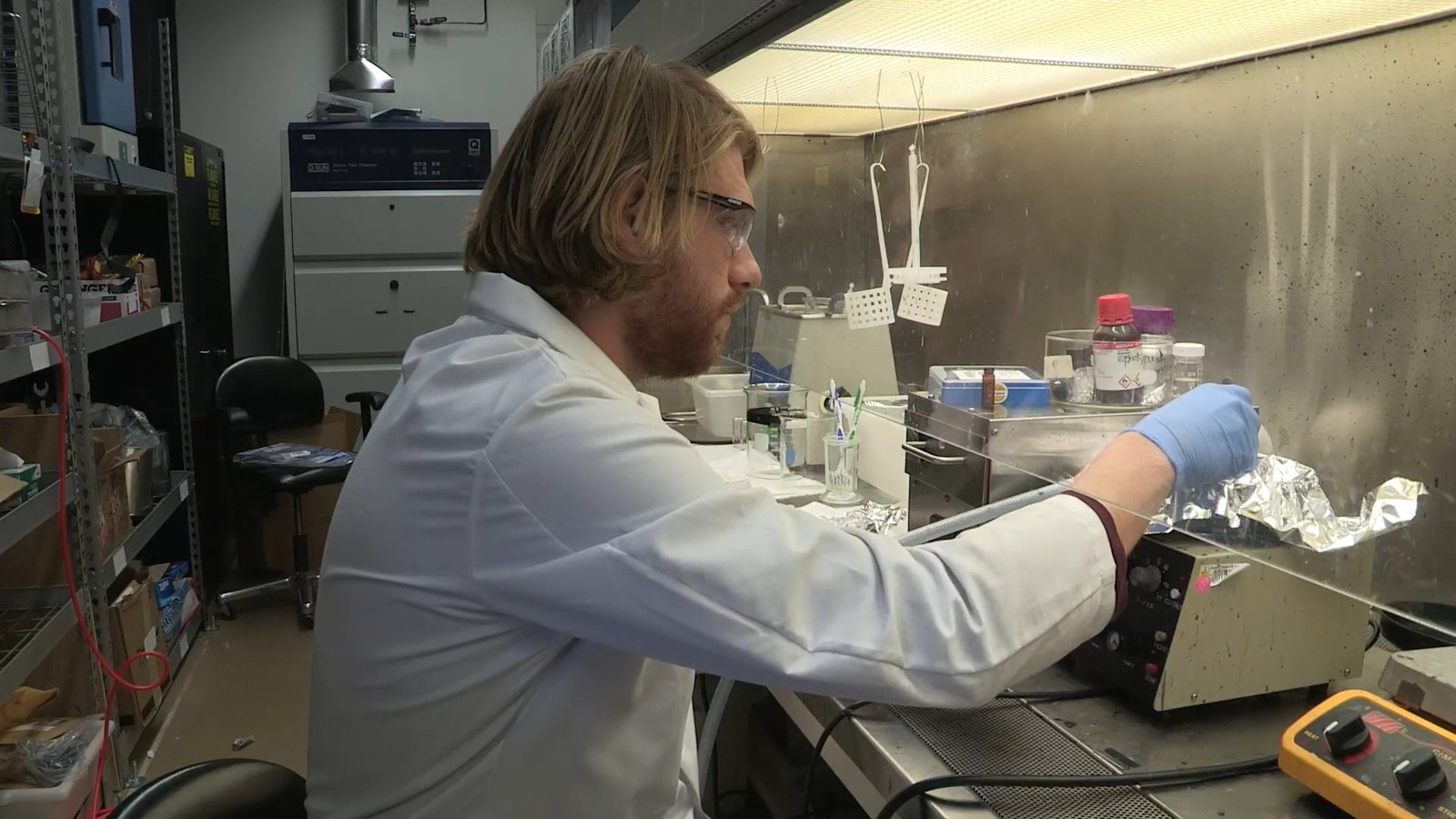
Following federal policy shifts documented in CASRAI’s analysis of the H-1B visa fee increase, steep corporate sponsorship pullbacks and federal labor certification freezes in November 2026 are prompting foreign STEM professionals and postdoctoral researchers to abandon United States positions for alternative destinations, directly challenging university research operations and international scholar recruitment.
Corporate Sponsorship Pullbacks and PERM Suspensions Shake Technical Workforce
In November 2026, an accelerating convergence of corporate sponsorship cutbacks and federal enforcement actions created severe disruption for foreign science, technology, engineering, and mathematics (STEM) professionals in the United States. Enterprise technology company IBM announced it is ending employment-based visa and permanent residency sponsorship for the vast majority of roles within IBM Consulting, its largest global division. As reported by Business Insider, the policy impacts a unit employing over 150,000 personnel, requiring affected international staff to relocate to company offices abroad or depart the firm by year-end 2026.
Simultaneously, the United States Department of Labor (DOL) suspended several major technology employers, including Microsoft and Adobe, alongside prominent IT outsourcing vendors from participating in the Permanent Labor Certification (PERM) program. Deputy Labor Secretary Keith Sonderling announced the suspensions following federal inquiries into labor market compliance. According to Quartz, these administrative freezes abruptly blocked green card processing for thousands of skilled foreign personnel.
Compounding regulatory friction has spurred an exodus of senior technical staff. Bloomberg highlighted the case of Yash Sharma, a 36-year-old software engineer from India who worked six years for Google on an H-1B visa. After an extraordinary ability petition denial and 18 months of avoiding foreign travel out of fear of consular re-entry barriers, Sharma relocated after securing a UK Global Talent visa. Describing the United States immigration system as a “golden prison,” Sharma reflects a growing migration toward destinations offering self-directed, portable residency.
Key Regulatory Actions and Comparative Mobility Pathways
The operational landscape for international STEM professionals has polarized between United States employer-tied programs and foreign merit-based routes. Under rules administered by USCIS, cap-subject commercial sponsors face rising fees and lottery constraints, while universities retain statutory exemptions from numerical limits but face identical PERM audits for long-term retention.
Federal financial barriers have intensified. A Department of Homeland Security proposed rule published in the Federal Register introduced an additional 03,265 filing fee for initial cap-subject petitions. While NAFSA: Association of International Educators notes that accredited higher education institutions and nonprofit research centers are exempt from this specific surcharge, preceding 00,000 entry payment mandates have fueled widespread confusion among prospective foreign scholars.
Conversely, the United Kingdom has optimized immigration channels to recruit scientific expertise. Administered under GOV.UK regulations, the UK Global Talent route bypasses corporate job offers entirely, offering portable endorsement and an accelerated settlement path.
| Visa Pathway | Sponsoring Entity | Government and Statutory Fees | Mobility and Settlement Conditions |
|---|---|---|---|
| United States H-1B (Cap-Subject Commercial) | Designated corporate employer | Standard base petition fees (60 to ,805) plus proposed 03,265 supplemental filing fee | Strictly tied to sponsor; permanent residency backlogs exceed 10 to 15 years for high-volume nationalities |
| United States H-1B (Cap-Exempt Higher Education) | Accredited university or nonprofit research center | Standard USCIS base petition fees; exempt from proposed 03,265 supplemental cap fee | Tied to academic institution; permanent residency filings subject to DOL PERM recruitment audits |
| United States J-1 Exchange Visitor (Research Scholar) | Designated university or exchange sponsor | SEVIS fee (20) and consular application fee (85); no employer surcharge | Temporary exchange appointment up to 5 years; subject to Section 212(e) two-year home residency rule unless waived |
| United Kingdom Global Talent Visa | Self-sponsored (Endorsed by approved body e.g. UKRI, Tech Nation) | £716 application fee plus statutory Immigration Health Surcharge (£1,035 per year) | Full employer portability; no job offer required; eligible for Indefinite Leave to Remain in 3 to 5 years |
When structuring research teams, academic departments regularly evaluate non-immigrant classifications, comparing cap-exempt H-1B positions with the J-1 exchange visitor visa for postdocs and visiting researchers to balance project timelines with regulatory requirements.
Escalating Visa Costs, Regulatory Overhaul, and Academic Spillover
The current volatility stems from escalating policy actions through 2025 and 2026. After federal courts halted initial executive attempts to levy 00,000 entry payments on overseas workers, the administration pursued formal DHS rulemaking to establish the 03,265 filing surcharge on commercial petitions. Concurrently, the Department of Labor advanced a comprehensive restructuring of the PERM program, introducing stricter recruitment documentation, removing administrative exemptions, and extending recordkeeping obligations, with public comments open through January 19, 2027.
These policy measures coincide with broad contractions across high-skilled mobility. Federal data compiled by the Migration Policy Institute indicates that the United States issued approximately 260,000 fewer short-term, non-immigrant visas in fiscal year 2025 than in the prior year. Higher education has registered immediate effects: Fall 2026 data from the Institute of International Education (IIE) shows new international student enrollment across United States universities dropped by an estimated 15%.
Corporate pullbacks also undermine the postdoctoral-to-industry transition. Historically, foreign doctoral graduates leveraged Optional Practical Training (OPT) before securing employer-sponsored H-1B visas and green cards in corporate R&D laboratories. With companies like IBM ending sponsorship and firms like Flywire actively evaluating moving engineering roles offshore, foreign researchers face a narrowing domestic career ladder.
Stakeholder Reactions Across Industry, Legal, and Academic Sectors
The contraction in sponsorship has drawn severe warnings from legal practitioners and industry groups. Chris Thomas, an immigration partner at Holland and Hart, noted that corporate clients are actively shifting operations abroad rather than absorbing regulatory costs: “it’s too much, it’s time to start offshoring.”
Professional associations emphasize long-term economic damage. Kate Angustia, supervisory policy and practice counsel at the American Immigration Lawyers Association (AILA), warned: “We are creating a brain drain.” AILA and industry leaders argue that punitive restrictions do not expand domestic hiring, but instead incentivize companies to expand software engineering and scientific labs in Canada, Europe, and Asia.
Higher education associations, including NAFSA, report mounting recruitment friction. Although academic institutions remain exempt from the 03,265 filing surcharge, prospective postdocs and faculty candidates increasingly view the United States immigration climate as unpredictable, driving talent to countries with transparent permanent residency routes.
Operational Consequences for University International Scholar Offices
For campus international scholar advisors and sponsored program administrators, tightening immigration policies require strategic operational adjustments across three primary areas.
First, institutions must reinforce recruitment counseling for early-career researchers. As private-sector sponsorship diminishes, international candidates place higher value on academic appointments. International offices must proactively explain that accredited colleges remain exempt from the 03,265 filing fee, while clearly communicating the stringent audits and extended processing times governing institutional PERM permanent residency sponsorship.
Second, university compliance units must integrate visa administration with federal research security mandates. Under National Security Presidential Memorandum 33 (NSPM-33), institutions must conduct standardized foreign travel tracking, conflict-of-commitment disclosures, and pre-appointment screening. Scholar services must coordinate closely with campus research security officers to ensure international appointments on federally funded projects maintain regulatory compliance without creating administrative bottlenecks.
Third, sponsored project budgets face mounting resource demands. Base USCIS filing charges, legal support expenses, and premium processing fees continue to rise. Principal investigators must budget accurately for visa maintenance and prevailing wage requirements across multi-year grant awards to prevent project funding deficits.
Upcoming Regulatory Milestones and Global Competition for STEM Talent
Key regulatory decisions will determine the landscape of scientific mobility in 2027. The immediate milestone is January 19, 2027, the deadline for public comments on the Department of Labor’s PERM overhaul. Scientific societies and university coalitions are drafting responses warning that increased procedural hurdles will strain academic research operations.
Concurrently, federal court challenges contesting the legality of presidential fee proclamations and DHS regulatory fee rules continue through appellate review, testing executive authority under the Immigration and Nationality Act.
Meanwhile, foreign governments continue expanding programs to attract displaced technical researchers. The United Kingdom is actively widening its endorsed funder pathways through UKRI, while Canada and European nations promote streamlined tech mobility visas. For United States research institutions, preserving scientific leadership requires proactive scholar support and agile navigation of an increasingly competitive global market.
Sources
- Quartz: Trump H-1B crackdown pushes skilled tech workers to leave the U.S., checked 2026-11-20
- Business Insider: IBM Is Winding Down Immigration Sponsorship in Its Biggest Unit – Business Insider, checked 2026-11-20
- Federal Register: Federal Register :: Fee for Certain H-1B Petitions, checked 2026-11-20
- NAFSA: Association of International Educators: DHS Proposes 03,265 Fee on Cap-Subject H-1B Petitions | NAFSA, checked 2026-11-20
- U.S. Citizenship and Immigration Services: H-1B Specialty Occupations | USCIS, checked 2026-11-20
- GOV.UK: Apply for the Global Talent visa : Overview – GOV.UK, checked 2026-11-20


