
On 27 November 2026, the UK Veterinary Medicines Directorate updated its official regulatory guidance on the Batch Release Request scheme for immunological veterinary medicines, establishing revised protocol review requirements and mutual certificate recognition pathways across Great Britain and Northern Ireland. The update provides immediate operational clarity for academic veterinary institutes, university translational spinouts, and animal health manufacturing cores preparing commercial and autogenous biologics batches.
Batch Protocol Review and Release Pathways
The Veterinary Medicines Directorate (VMD) confirmed that no batch of an immunological veterinary medicinal product (IVMP) may be placed on the UK market without an approved Batch Release Request (BRR). Products must hold a valid Marketing Authorisation (MA) covering Great Britain (GB), Northern Ireland (NI), or the entire United Kingdom. The agency affirmed a strict enforcement standard: batches failing release testing cannot be marketed, and any authorisation holder distributing a failed batch faces immediate licence revocation.
The updated guidance establishes four discrete batch release categories:
- Batch Protocol Review (BPR): The baseline administrative route for national MAs in Great Britain and Northern Ireland, requiring full batch protocol submission to the VMD prior to market release.
- EU Certificate Recognition (Type 81a and 81b): Mutual recognition of Official Batch Protocol Review (OBPR) or Official Control Authority Batch Release (OCABR) certificates issued by EU competent authorities for NI authorisations under European procedures and aligned GB/NI authorisations sharing identical dossiers.
- Autogenous Vaccine Authorisations (AVAs): Emergency herd-specific biologics that do not require prior agency approval before batch dispatch, though manufacturers must submit release protocols concurrently with release.
- Marketing Authorisations for Parallel Import (MAPI): Parallel import releases requiring origin batch numbers, unique MAPI identifiers, and verified OBPR documentation.
The VMD reaffirmed that the UK does not currently mandate routine physical re-testing under OCABR protocols, though it retains statutory authority to demand batch samples if quality concerns arise.
Technical Specifications and Submission Metrics
All filings must align with model protocols published by the European Directorate for the Quality of Medicines and HealthCare (EDQM) and comply fully with Good Manufacturing Practice (GMP), certified by a Qualified Person (QP) signature. Batches deviating from specifications must follow an “out of specification” procedure (formerly special batch release), providing scientific evidence that safety and efficacy remain uncompromised.
For autogenous vaccines, analytical testing must verify purity, microbial sterility, chemical inactivation, and on-farm safety before distribution. Procedural terms and costs across release pathways are summarized below.
| Release Mechanism | Territorial Scope | Prior Approval | Review Standard | Statutory Fee |
|---|---|---|---|---|
| Batch Protocol Review (BPR) | GB and NI national MAs | Mandatory prior to release | Full batch protocol and QP declaration review within 10 days | £80 per batch |
| EU Certificate Recognition (Type 81a/81b) | NI and aligned GB/NI MAs | Recognition on validation | Verification of EU OMCL certificate and shared dossier alignment | £0 (exempt) |
| Autogenous Vaccine Authorisation (AVA) | UK emergency holdings | Not required prior to dispatch | Audit of sterility, purity, inactivation, and safety protocols | £0 (exempt) |
| Out of Specification Request | GB and NI authorisations | Mandatory formal approval | Risk assessment with potential conditional stability mandates | £80 per batch |
| Parallel Import (MAPI) | GB and NI parallel imports | Mandatory prior to release | Reconciliation of origin batch records and OBPR proof | £80 per batch |
Batch requests are submitted by email to [email protected] and processed within 10 days, with timeline pauses if clarification is required. Urgent requests justified by animal welfare may request expedited review.
Regulatory Background and the Amended Veterinary Framework
The updated rules reflect reforms introduced by the Veterinary Medicines (Amendment etc.) Regulations 2024, modernizing the Veterinary Medicines Regulations 2013 across Great Britain and Northern Ireland. The scheme interlocks with technical provisions in Regulation (EU) 2019/6, using aligned marketing authorisations to prevent regulatory divergence between territories.
In parallel, updated marketing authorisation guidance permits specific dossier exemptions for limited markets and orphan animal health indications, allowing published scientific literature to substitute for full field trials when safety margins are demonstrated.
Sector Reaction and Global Alignment
Veterinary biologics manufacturers welcomed the clarity provided by EDQM protocol harmonization and fee exemptions for emergency autogenous products. International veterinary specialists noted that the framework aligns with World Organisation for Animal Health international quality standards for biological safety and emergency vaccine deployment.
Researchers at The Pirbright Institute viral immunology and biosafety research programmes highlighted that clear protocol standards ensure reproducible scaling for viral vectors and novel recombinant antigens across translational animal health projects.
Implications for University Biologics Spinouts and Translational Facilities
The scheme establishes clear compliance baselines for academic veterinary cores and spinout ventures moving candidate biologics toward field application:
- Qualified Person Governance: Translation beyond laboratory research into a licensed cGMP facility requires formal QP integration to audit production protocols and sign release documentation.
- Analytical Quality Assurance: Quality testing laboratories must enforce rigorous internal quality control in the laboratory to meet EDQM monographs for potency, sterility, and endotoxin monitoring.
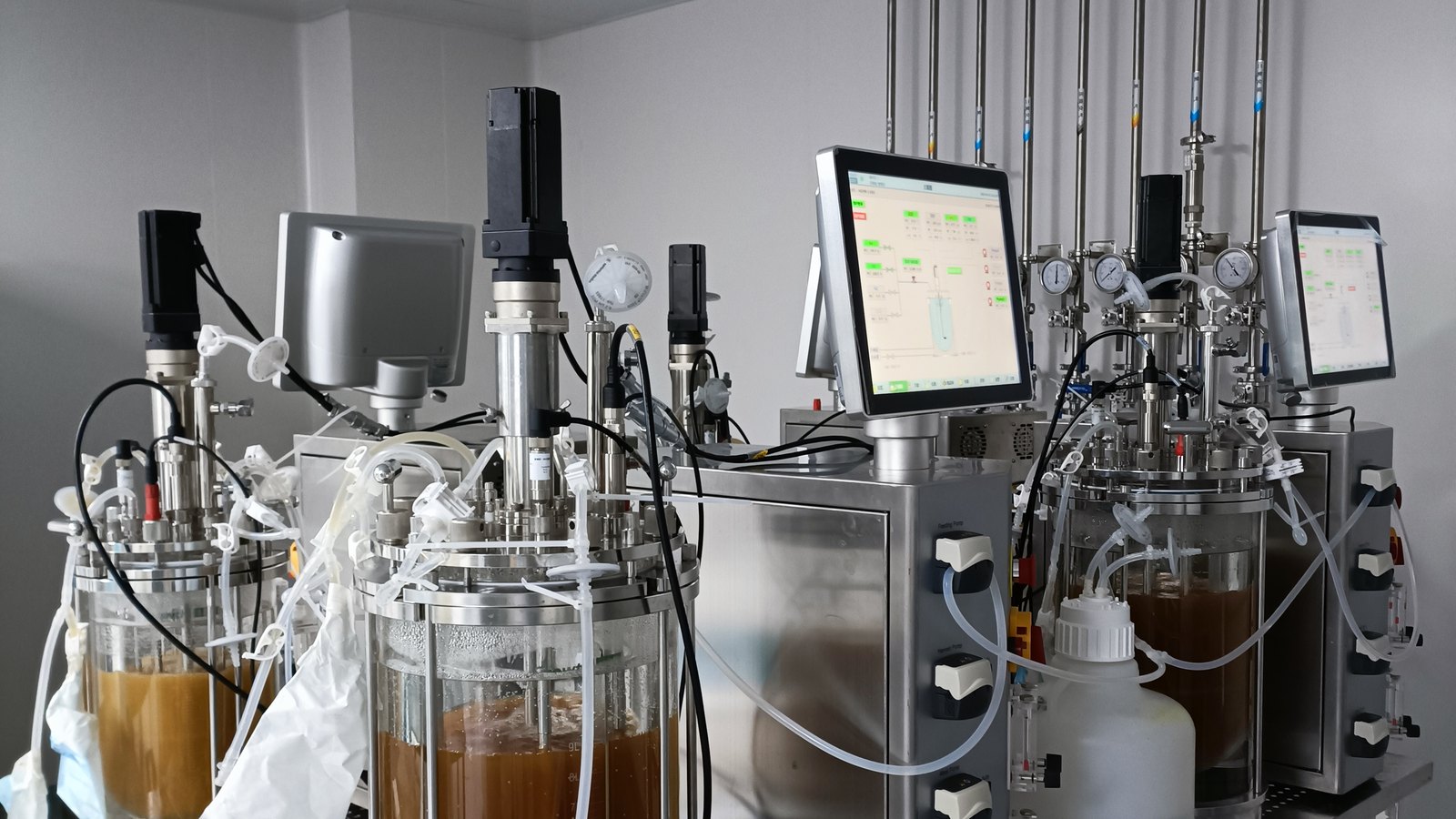
- Scale-Up Control: Bioprocess development moving from shake flasks to a pilot benchtop fermentor must control process variability to avoid out-of-specification filings.
- Containment and Biosafety: Facilities working with master seed lots must align institutional biosafety and biosecurity containment measures with VMD dossier commitments.
- Project Timelines: Clinical trial managers must factor the 10-day review timeline into animal study supply chains to prevent cold-chain storage delays.
Implementation Timeline and Next Operational Milestones
The updated Batch Release Request guidance took effect immediately on 27 November 2026. All new batch submissions must follow the updated forms, fee categories, and documentation pathways.
Over the next quarter, the VMD will monitor electronic filings and hold operational briefings for autogenous vaccine producers. Marketing authorisation holders with dual GB and NI products should confirm their dossier alignment, and academic translational teams planning new applications should request pre-submission company meetings via the Veterinary Medicines Digital Service.
Sources
- GOV.UK: Apply for batch release of an immunological veterinary medicine, checked 2026-11-28
- legislation.gov.uk: The Veterinary Medicines (Amendment etc.) Regulations 2024, checked 2026-11-28
- EUR-Lex: Regulation (EU) 2019/6 on veterinary medicinal products, checked 2026-11-28
- World Organisation for Animal Health: Standards – WOAH, checked 2026-11-28
- The Pirbright Institute: Our science, checked 2026-11-28






