
Guides
Stress relief retreat: what a guided pause in Puerto Rico can and can’t do
A stress relief retreat is a short, structured pause: regular sleep, movement, meditation and breathwork sessions, and time away from your phone and inbox, in a small group. It gives you room to slow down and a plan for going back. It is not mental health treatment, and it does not replace your own doctor.
Is it an emergency? Call 911.
$3,500 per person
Is this an emergency?
This is not an emergency service. Call 911 or go to the nearest emergency room if you have:
- Thoughts of harming yourself or ending your life: call or text 988, or call Línea PAS at 1-800-981-0023
- Low mood, or losing interest in things you used to enjoy, most days for two weeks or more
- Panic attacks, or feeling unable to cope with daily life
- Chest pain, fainting or shortness of breath: call 911
Help lines
When stress stops switching off
It is eleven at night and you are still answering messages. You go to bed, but your head keeps running tomorrow’s list. You wake at three with a tight chest, already thinking about your inbox. The weekend arrives and you don’t rest: you spend it catching up.
If that sounds familiar, you are not alone. When stress runs for months, most people describe it the same way: tiredness that sleep doesn’t fix, a shorter temper, a clenched jaw, trouble concentrating, and the feeling of always running without getting anywhere.
It also has a cost. Each week that stays the same, your body and mind pay a little more: you sleep worse, move less, eat standing up and put off the things that help. A stress relief retreat does not fix all of that. What it offers is a short, supported, structured pause, so you can really stop for a few days and decide what comes next.
Chronic stress: what it is and what the evidence says
Stress is the body’s normal response to demands. It becomes a problem when it doesn’t let up. MedlinePlus (NIH) says stress that lasts a long time, chronic stress, puts you at risk for health problems over time, including high blood pressure, heart disease and diabetes. These are associations; your own risk depends on many factors.
NIMH lists ways to cope with stress that are within reach of most people:
- Regular sleep. The CDC recommends 7 or more hours a night for adults 18 to 60, and going to bed and getting up at the same time. See how to reset your sleep schedule.
- Staying active. The CDC recommends 150 minutes of moderate activity a week plus muscle-strengthening on 2 days.
- Relaxation practices. NIMH includes meditation and breathing exercises among them. If you are starting from zero, read about meditation for beginners and breathwork.
- Connecting with other people. Talking with someone you trust counts too.
What a well-structured relaxation retreat offers
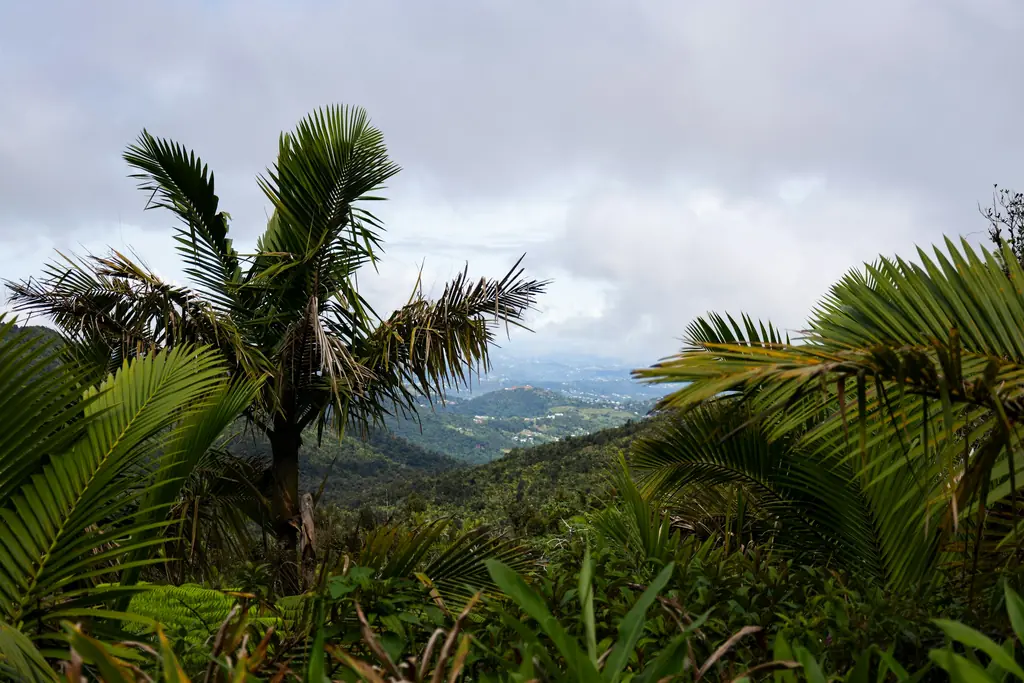
Many relaxation retreats and mental wellness retreats promise too much. This is a more modest, more concrete version. The Health Initiative (THI) runs an in-person wellness retreat at a hacienda in Río Grande, Puerto Rico: 5 days starting November 15, 2026, with 10 places, at $3,500 per person. The retreat is held in English and is open to everyone. A new group starts on the 1st and the 15th of every month from the first start date.
What makes a short, structured stay different is that you don’t have to decide anything. Here are the pieces:
Sleep. Regular hours, meals on time and a setting meant for rest. For many people, sleeping well for the first time in weeks is the first thing they notice.
Movement. Mobility coaching and island activities: walking, stretching, being outdoors. You don’t need to be an athlete.
Meditation and breathwork. Guided sessions, built for beginners. You don’t have to believe anything or know anything beforehand.
Less screen time. The aim is to give you time away from your phone and inbox. Many people find that the first day is the hardest and the second is easier. To read more, see digital detox retreats.
A physician assessment. Dra. Diana Nieves Castro, a general practice physician licensed in Puerto Rico, does an assessment and orders labs when clinically appropriate. Read what the physician visit and labs include.
Here is what a typical day looks like; it is not a promised schedule:
A typical day, not a fixed schedule (we share the full schedule with accepted guests): gentle morning movement such as gentle stretching and mobility, breakfast together, a medical or education session, free time or an island activity, dinner, and an evening meditation, with phones kept away during sessions and meals.
What a stress retreat is not
If you are searching for mental health retreats, it is worth being clear: this retreat is not mental health treatment, and it is not a program for mood, anxiety or sleep conditions. It does not replace your own doctor or a mental health professional, who stay in charge of your care. It is not an anxiety and stress retreat in the clinical sense, and we do not promise outcomes.
What it can be is room to stop, sleep, move and breathe with support, and to go home with a realistic plan. If your stress is mostly about work, the burnout retreat guide goes into it in more detail.
A retreat also doesn’t change what causes your stress at home or at work. So the most useful thing you can bring back is a short list: one or two habits you can keep, and one conversation you have been putting off. Write them down before you leave, and put the first one in your calendar for your first day back.
The honest objections: is it worth it?
“I’m not a spiritual or yoga person.” You don’t need to be. The meditation and breathwork are guided and practical; nobody asks you to believe anything. If you would rather walk and sleep, that is also a fair way to use the week.
“I can’t take the time.” It is the most common objection, and a reasonable one. Most people who ask this are the ones who have gone longest without a real break. It is 5 days, not a month. To see how the trip works, read getting there from US cities and what to expect at the retreat.
“What about the cost?” The price is $3,500 per person and includes lodging and meals, medical care and labs, coaching and sessions, island activities and airport transfers. For the breakdown, read what a wellness retreat includes and costs.
“Is it safe with my condition?” It depends on the condition, which is why there is an application. Tell us about your health on it, and the physician decides what is appropriate; the retreat does not ask you to push through anything. If you are pregnant, had recent surgery or have a condition that is not stable, talk to us before you apply. To see whether it fits, read who the retreat is for.
Who should talk to their own clinician first
Talk to your doctor or a mental health professional before thinking about a retreat if, for two weeks or more, your mood is low most days, you lose interest in things you used to enjoy, you have panic attacks, or you are barely sleeping. That needs care, not just a pause. Also talk to them first if a health condition changed recently or you started a new medicine.
In a crisis, call or text [988](tel:988) (it works in Puerto Rico and on the mainland; press 2 for Spanish), call Línea PAS at 1-800-981-0023, or call 911. If you are outside Puerto Rico, call or text 988. People in Puerto Rico can also get mental health care by video.
How we care for you
We evaluate, diagnose and treat; if needed, we give you a lab order for a lab near you.
We see adults and children of all ages. Patients under 21: a parent with patria potestad (parental authority) or a legal guardian is on camera for the whole visit and shows photo ID.
Real-time video visit. We send you a secure video link. It works on your phone, tablet or computer.
If appropriate, the doctor prescribes and we send your prescription to your pharmacy.
You must be physically in Puerto Rico during the visit (visitors, tourists and cruise passengers are welcome).
In an emergency, call 911.
Frequently asked questions
What is a stress relief retreat?
Are mental wellness retreats a form of mental health treatment?
Is an anxiety and stress retreat right if I have anxiety?
Do I need to be spiritual or do yoga?
What should I do if I feel hopeless?
Is the retreat held in English?
About this page
Author: The Health Initiative
Medical care provided by Dr. Diana Nieves Castro, MD (PR license 24027)
Disclosure: Founding Executive Director of The Health Initiative
Published: 2026-10-15 · Updated: 2026-10-15
Sources (6)
- Stress and your health (MedlinePlus, NIH) (opens in a new tab) (accessed 2026-10-14)
- I’m so stressed out! Fact sheet (NIMH, NIH) (opens in a new tab) (accessed 2026-10-14)
- About sleep (CDC) (opens in a new tab) (accessed 2026-10-14)
- Adult activity: an overview (CDC) (opens in a new tab) (accessed 2026-10-14)
- 988 Suicide & Crisis Lifeline (opens in a new tab) (accessed 2026-10-14)
- Línea PAS (ASSMCA, in Spanish) (opens in a new tab) (accessed 2026-10-14)